Compare

Desert Bird of Paradise vs. Barbados Pride: which is safe for cats and dogs?

Desert Bird of Paradise and Barbados Pride are frequently confused because they share the same botanical name, Caesalpinia gilliesii, and are often referred to by the same common aliases. It is important for pet owners to know that both of these flowering shrubs are potentially toxic to cats and dogs. While the specific clinical signs may vary slightly between species, ingestion of either plant typically results in gastrointestinal distress. Because both plants pose similar risks to your household pets, it is best to keep them out of reach of curious animals. We have outlined the specific symptoms and safety considerations for each plant below to help you make an informed decision.

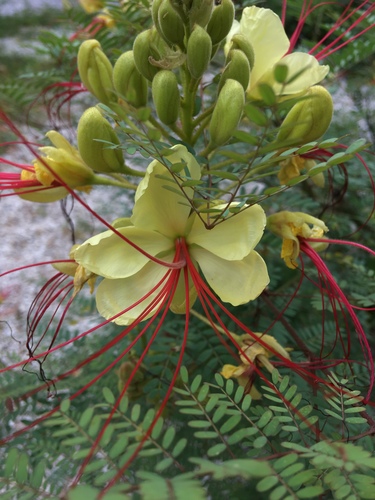
Desert Bird of Paradise

Caesalpinia gilliesii

Caesalpinia gilliesii, often called the Bird of Paradise shrub, is a flowering plant known for its striking yellow and red blooms. It contains compounds that can cause gastrointestinal distress if ingested by pets.

cat

Potentially toxic

Consulted references classify the plant as toxic or irritating for that pet type.

Watch for

Vomiting, diarrhea, and abdominal pain.

dog

Potentially toxic

Consulted references classify the plant as toxic or irritating for that pet type.

Watch for

Vomiting, diarrhea, and lethargy.
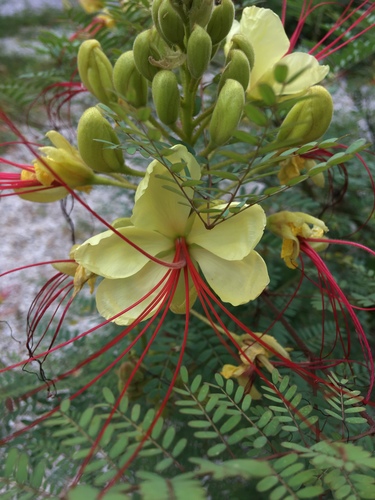
Barbados Pride

Poinciana gilliesii

Barbados Pride is a flowering shrub known for its striking yellow flowers and long red stamens. It contains compounds that can cause gastrointestinal distress if ingested by pets.

cat

Potentially toxic

Consulted references classify the plant as toxic or irritating for that pet type.

Watch for

Vomiting, diarrhea, drooling, and abdominal pain.

dog

Potentially toxic

Consulted references classify the plant as toxic or irritating for that pet type.

Watch for

Vomiting, diarrhea, lethargy, and loss of appetite.