The Holiday Plants That Send Pets to the ER (and the Ones That Don't)
Emergency vet clinics see their biggest annual spike in plant-related calls between Thanksgiving and New Year. The list of culprits is short, predictable, and almost entirely avoidable. Here's the seasonal triage guide.
April 28, 20268 min read
The holidays are the worst time of year to be a houseplant-curious pet. Two things change between Thanksgiving and New Year. First, the volume of plants in the average home goes up — wreaths, centerpieces, gift plants, cut flowers, the tree. Second, the composition changes. Several of the most dangerous ornamentals in North America are sold and gifted specifically during these eight weeks. Emergency vet clinics see a measurable spike in plant exposure calls every December, and the culprits show up in the same handful of pots and bouquets year after year.
This is the triage guide. The genuinely dangerous list is short. The genuinely safe list is also short. The myth-driven list — plants you've been told are deadly that are actually mostly fine — is longer than either, and worth knowing about so you stop wasting worry on the wrong plants.
The plants that actually send pets to the ER
Roughly in order of how serious the call gets when one is involved:
True lilies — the one that kills cats
A vase of true lilies in a household with a cat is the single most dangerous plant scenario in domestic life. Every part of the plant is toxic to cats: petals, leaves, pollen, even the water in the vase. A cat that brushes against an open lily and then grooms the pollen off its fur can develop acute kidney failure within 12 to 72 hours, and untreated cases are routinely fatal. Treatment is most effective in the first six hours.
This includes Lilium species — Easter lily, tiger lily, stargazer, Asiatic, Oriental — and the daylily (Hemerocallis). It does not include peace lily, calla lily, or peruvian lily, which are different families with different (lesser) hazards. If you live with a cat, the right number of Lilium stems in your home is zero. Full reference: Lily (Lilium species).
Amaryllis — the winter-forcing bulb
The bulb sold in a kit every November as "amaryllis" — botanically Hippeastrum, though the common name has stuck — contains lycorine and related alkaloids in every part of the plant, with the highest concentration in the bulb itself. A pet that chews a bulb, a leaf, or a stem can show vomiting, drooling, diarrhea, abdominal pain, lethargy, tremors, and in serious cases low blood pressure. Bulbs left to root on a windowsill are an obvious target for a curious dog. See Amaryllis.
Mistletoe — the real one, not the cactus
American mistletoe (Phoradendron) is the parasitic plant traditionally hung in doorways. It contains phoratoxins and lectins, with the highest concentrations in the berries. A pet that eats the berries can develop severe gastrointestinal upset, breathing difficulty, low blood pressure, and abnormal heart rhythms. European mistletoe (Viscum album) carries similar but distinct toxins. Plastic mistletoe is fine. The plant is not. Full reference: American Mistletoe.
Holly — the berries, mostly
English holly (Ilex aquifolium) and its relatives contain saponins, methylxanthines, and other irritants, concentrated in the bright red berries. The leaves are spiky enough that most pets stop chewing on their own, but the berries are exactly the size and color a curious dog finds compelling. Symptoms are typically gastrointestinal — vomiting, diarrhea, drooling, depression — and the spines themselves can cause oral injury. See English Holly.
Christmas rose — the elegant gift plant that isn't a rose
Helleborus niger is sold as a winter gift plant under the name "Christmas rose" because it blooms in December and looks the part. It contains cardiac glycosides — the same family of compounds as foxglove — and ingestion can cause drooling, vomiting, abdominal pain, weakness, and changes in heart rate. The plant doesn't look dangerous. It is. Full reference: Christmas Rose.
Cyclamen — the supermarket winter bloomer
The small, brightly-flowered Cyclamen sold at every supermarket in December contains saponins throughout the plant, with the highest concentration in the tubers below the soil. A pet that chews the leaves usually shows mild GI upset; a pet that digs up and chews the tuber can develop heart-rate changes and seizures. See Cyclamen.
Daffodils and paperwhites — the forced winter bulbs
Narcissus species, often forced indoors in glass jars during winter, contain lycorine, calcium oxalate raphides, and other irritants. The bulb is the most toxic part. Vomiting, diarrhea, drooling, and in larger ingestions cardiac and respiratory issues. Paperwhites are a particular hazard because they're often grown in shallow dishes at floor level. See Daffodil (Narcissus).
Yew — the wreath ingredient
Taxus — yew — is one of the most toxic ornamental plants in temperate gardens, and its dark green needles and red berries make it a popular ingredient in wreaths and holiday arrangements. Every part except the red flesh of the berry contains taxine alkaloids that cause cardiac arrhythmias; severe cases can be fatal within hours, sometimes without earlier warning signs. A pet that chews yew clippings from a discarded wreath needs an emergency vet immediately. See Yew.
Jerusalem cherry — the festive berry that isn't fruit
The small, glossy plant covered in red berries sold as "Christmas cherry" or "winter cherry" is Solanum pseudocapsicum, a member of the nightshade family. We covered it at length in Christmas, Thanksgiving, or Easter Cactus — Which One Is in Your House? — short version: bright berries, festive plant, genuinely dangerous, and the berries fall on the floor as the plant ages.
The myth that won't die — poinsettia
Poinsettia (Euphorbia pulcherrima) is the most overrated holiday hazard in North America. The reputation traces back to a single anecdotal case in 1919, in which a child was claimed to have died from eating a leaf — a claim that was never substantiated and has since been thoroughly debunked. A 1996 study of nearly 23,000 reported poinsettia exposures found no fatalities and almost no serious symptoms.
What actually happens: a pet that chews a poinsettia leaf may drool, vomit a few times, or develop mild diarrhea. Skin contact with the milky sap can cause irritation. None of this is fun, but none of it is an ER visit. The ASPCA classifies poinsettia as mildly toxic — closer to "houseplant your dog shouldn't eat" than to "remove from the home." If a curious pet takes a bite of a poinsettia leaf in December, monitor at home and call the vet only if symptoms persist. Full reference: Poinsettia.
Poinsettia is the plant everyone worries about. The plant they should be worrying about is the lily on the dining table.
The genuinely safe holiday plants
If you want festive greenery without doing toxicology homework, three options work:
A practical placement strategy
Pet-proofing a holiday home is mostly about the dining room, the windowsill, and the floor under the tree. A few rules that hold up:
- Cut lilies don't belong in a house with a cat. Not in a vase you put up high — cats jump, pollen falls, water gets knocked over. The only safe number is none. Ask florists for lily-free arrangements during the holidays; reputable ones will accommodate without question.
- Treat the wreath like the plants in it. A wreath made from yew, holly, or fresh mistletoe is a delivery system for the same toxins those plants carry. Skip them, or hang the wreath where no pet can reach it and clean up dropped fragments daily.
- Forced bulbs go on a high shelf, not the coffee table. Amaryllis, paperwhites, and tulip bulbs are gifts that look harmless and read as "kitchen-counter plant." They're not.
- The Christmas tree water is a beverage with additives. Sap, pesticides, fertilizers, and preservatives leach in. It's rarely life-threatening, but it causes vomiting and diarrhea reliably enough to be worth blocking with a tree skirt.
- The poinsettia can stay. If a pet chews it, you'll know. It will be unpleasant, briefly, and then it will be over.
If something happens
The single most important rule: do not wait to see if symptoms develop. The hardest cases to treat are the ones that arrived at the ER twelve hours after ingestion because the owner was waiting for a sign. Call a vet or the ASPCA Animal Poison Control Center at (888) 426-4435 the moment you suspect any of the dangerous plants on this list have been chewed, regardless of whether your pet looks fine. For true lilies in cats and yew in any pet, drive directly to the emergency clinic — those are the two scenarios where minutes matter.
Looking for more pet-safe options beyond the holiday rack? Our curated lists of plants safe for cats and plants safe for dogs are organized by light and care level, so you can find something that actually fits your home.
Plants from this article
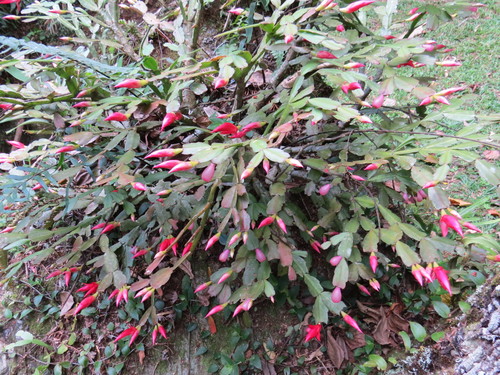
The Christmas Cactus is a popular, low-maintenance flowering succulent known for its segmented, arching stems and vibrant holiday blooms. It is considered non-toxic to pets, though its fibrous nature may cause minor digestive discomfort if consumed in large quantities.
Generally safe for cats & dogs.

The Christmas Orchid is a popular epiphytic orchid known for its large, showy, and fragrant winter blooms. It is considered non-toxic to household pets, though its fibrous nature may cause minor digestive discomfort if consumed in large quantities.
Generally safe for cats & dogs.
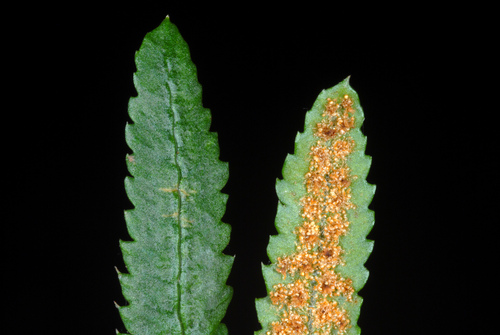
The Christmas Fern is a hardy, evergreen perennial native to North America, prized for its leathery, dark green fronds that remain vibrant throughout the winter months. It is considered safe for households with pets, though its fibrous texture may cause minor digestive discomfort if consumed in large quantities.
Generally safe for cats & dogs.