Dogs
Potentially toxicConsulted references classify the plant as toxic or irritating for that pet type.
Verified against ASPCA/provenance audit 2026-05-06 on May 6, 2026.
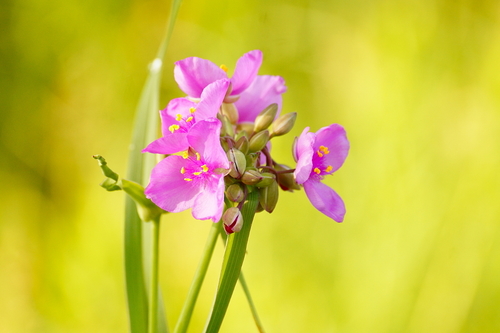
Tradescantia multiflora
Tahitian Bridal Veil is a delicate, trailing plant known for its small white flowers and deep green foliage with purple undersides. It is a member of the Commelinaceae family and is commonly grown in hanging baskets.
Safety status
Dogs
Potentially toxicConsulted references classify the plant as toxic or irritating for that pet type.
Verified against ASPCA/provenance audit 2026-05-06 on May 6, 2026.
Dogs that nose around a hanging Tahitian Bridal Veil sometimes pick up a mild rash on the muzzle, paws, or belly from the irritant sap, and a bit of GI upset if they chew the foliage. ASPCA classifies it as toxic to dogs but characterizes signs as mild, not systemic. The bigger risk for dogs is repeated nuisance dermatitis if the plant stays within reach.
Look for redness or itchiness on the muzzle, paws, or belly; mild drooling; and a short bout of vomiting or loose stool if the dog chewed leaves. Persistent scratching at one spot is a clue the sap touched the skin there.
Skin irritation can show within minutes to hours of sap contact. GI upset from chewing leaves typically appears within 1–6 hours and clears within 24 hours. Specific onset and duration numbers are not documented in the cited source.
Call if the rash spreads, weeps, or doesn't improve within a day or two; if vomiting or diarrhea persists past 24 hours; or if the eyes look red or swollen. Otherwise removing the plant and washing the affected area is usually enough.
Sources: ASPCA (no first-aid guidance).
If a pet has chewed or swallowed plant material and is showing symptoms, contact a veterinarian or poison resource immediately. This product is for structured reference, not diagnosis.
Dogs — concern notes
Common signs
Skin irritation, redness, itching, and potential digestive distress upon ingestion.
Escalation note
The plant contains sap that may cause contact dermatitis in sensitive pets. Always consult a veterinarian if you suspect your dog has ingested or had significant contact with this plant.
Safer alternatives
No hand-picked alternatives for this plant yet. You can still pick your own using the Compare button on any other plant.
Yes, Tahitian Bridal Veil (Tradescantia multiflora) is considered potentially toxic to dogs. The plant's sap can cause contact dermatitis — skin irritation, redness, and itching — and chewing the leaves may lead to mild digestive upset including vomiting or loose stool.
Skin contact with the sap can cause redness, itching, and irritation on the muzzle, paws, or belly within minutes to hours. If a dog chews the leaves, GI upset such as drooling, vomiting, or loose stool can appear within 1–6 hours and typically clears within 24 hours. Watch for persistent scratching at one spot as a sign sap reached the skin.
Remove your dog from the plant, then gently wash any affected skin with mild soap and water to remove sap residue. Monitor for spreading rash, eye redness or swelling, or GI symptoms lasting more than 24 hours. If symptoms worsen or persist, call your vet or the ASPCA Animal Poison Control Center at (888) 426-4435.
The two reactions come from different types of exposure: skin contact with the sap triggers contact dermatitis (redness, itching) within minutes to hours, while stomach upset results from actually chewing or swallowing the leaves and typically appears within 1–6 hours. A dog that only brushed against the plant may show only skin irritation; one that chewed it may show both.
Same dog verdict
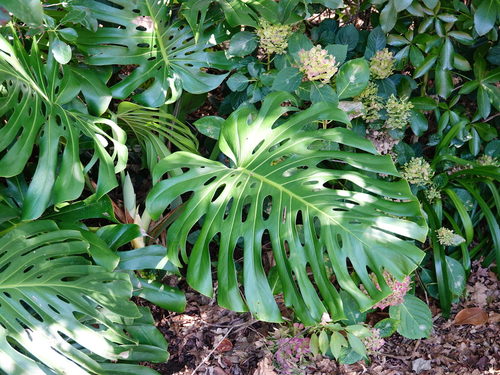
Monstera deliciosa is a popular tropical houseplant known for its large, fenestrated leaves and vining growth habit. It contains insoluble calcium oxalate crystals that can cause irritation if ingested by pets.
Potentially toxic for cats & dogs.
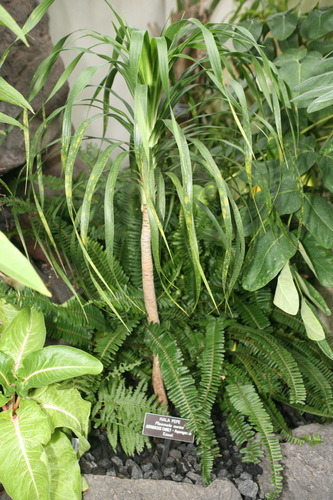
Dracaena trifasciata is a popular, hardy houseplant known for its stiff, sword-like leaves with striking yellow margins. It is widely appreciated for its air-purifying qualities and ability to thrive in various indoor conditions.
Potentially toxic for cats & dogs.
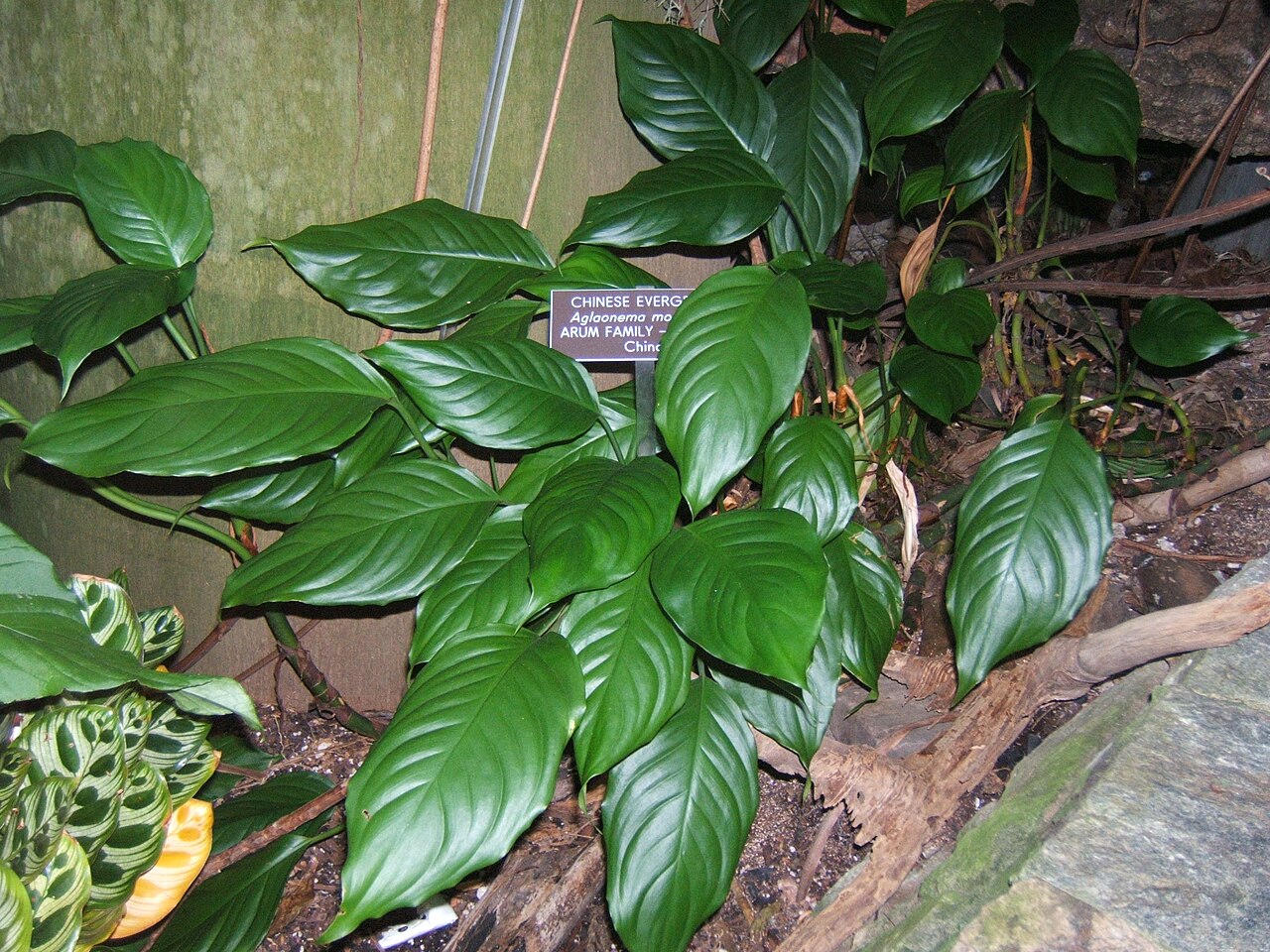
Chinese Evergreen is a popular indoor foliage plant known for its patterned leaves and tolerance of low light conditions. It contains insoluble calcium oxalate crystals that can cause irritation if ingested or chewed.
Potentially toxic for cats & dogs.
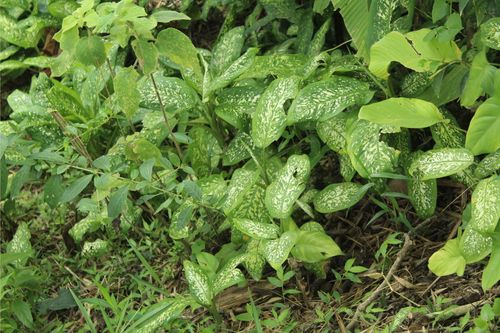
Dieffenbachia is a popular tropical houseplant known for its large, variegated leaves. It contains insoluble calcium oxalate crystals that can cause irritation if ingested or chewed.
Potentially toxic for cats & dogs.