Compare

Wandering Dude vs. Tahitian Bridal Veil: which is safe for cats and dogs?

Wandering Dude and Tahitian Bridal Veil are frequently compared because both belong to the Tradescantia genus, leading many pet owners to wonder if their shared botanical lineage implies similar safety profiles for household animals. Unfortunately, both plants are considered potentially toxic to cats and dogs. While they are popular for their trailing habits and aesthetic appeal, both species contain sap that can trigger contact dermatitis and gastrointestinal distress if ingested. Because these plants share similar chemical properties that cause irritation, neither is considered a safe choice for homes with curious pets. We have outlined the specific risks for both cats and dogs in the sections below.

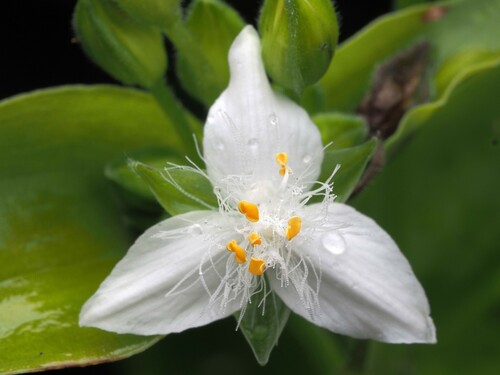
Wandering Dude

Tradescantia fluminensis

The Inch Plant is a fast-growing, trailing perennial often kept as a houseplant for its attractive, variegated foliage. It contains sap that can cause irritation upon contact or ingestion.

cat

Potentially toxic

Consulted references classify the plant as toxic or irritating for that pet type.

Watch for

Dermatitis, redness, itching, and potential gastrointestinal upset if ingested.

dog

Potentially toxic

Consulted references classify the plant as toxic or irritating for that pet type.

Watch for

Skin irritation, redness, scratching, and potential vomiting or diarrhea if ingested.
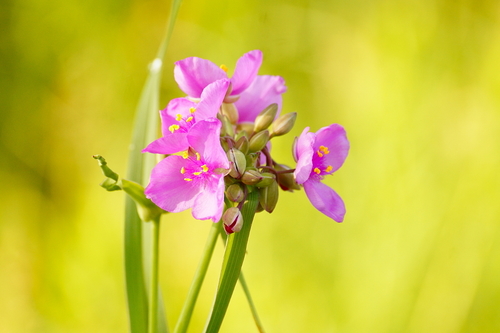
Tahitian Bridal Veil

Tradescantia multiflora

Tahitian Bridal Veil is a delicate, trailing plant known for its small white flowers and deep green foliage with purple undersides. It is a member of the Commelinaceae family and is commonly grown in hanging baskets.

cat

Potentially toxic

Consulted references classify the plant as toxic or irritating for that pet type.

Watch for

Dermatitis, skin irritation, redness, and potential gastrointestinal upset if ingested.

dog

Potentially toxic

Consulted references classify the plant as toxic or irritating for that pet type.

Watch for

Skin irritation, redness, itching, and potential digestive distress upon ingestion.