Dogs
Potentially toxicConsulted references classify the plant as toxic or irritating for that pet type.
Verified against ASPCA/provenance audit 2026-05-06 on May 6, 2026.
Sources
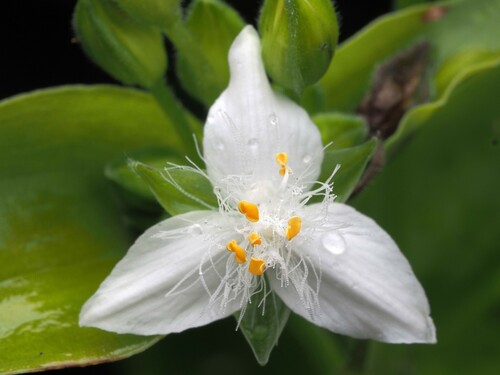
Tradescantia fluminensis
The Inch Plant is a fast-growing, trailing perennial often kept as a houseplant for its attractive, variegated foliage. It contains sap that can cause irritation upon contact or ingestion.
Safety status
Dogs
Potentially toxicConsulted references classify the plant as toxic or irritating for that pet type.
Verified against ASPCA/provenance audit 2026-05-06 on May 6, 2026.
Sources
Dogs — toxic, with skin reactions rather than GI poisoning. ASPCA lists inch plant (Tradescantia fluminensis) as toxic to dogs with dermatitis as the documented sign. Dogs that walk through dense ground-cover patches develop the textbook picture: itchy belly, paws, and groin.
Redness and small inflamed bumps on lightly haired areas — belly, armpits, groin, between the toes — plus persistent scratching, licking, or chewing at the irritated spots. NC State Extension and ASPCA both note dermatitis as the primary effect; chronic exposure can lead to thickened skin or hair loss in chewed areas.
Allergic-style dermatitis typically appears within hours of contact and can persist for days while the plant is still in the dog's environment. Exact timing isn't published in the cited sources.
Call your vet if itching or skin lesions persist more than a day or two after removing the plant, look infected (oozing, foul smell), or your dog can't stop scratching. Severe ongoing dermatitis may need cortisone or antibiotics.
Sources: ASPCA, NC State Extension (no first-aid guidance).
If a pet has chewed or swallowed plant material and is showing symptoms, contact a veterinarian or poison resource immediately. This product is for structured reference, not diagnosis.
Dogs — concern notes
Common signs
Skin irritation, redness, scratching, and potential vomiting or diarrhea if ingested.
Escalation note
The plant is known to cause allergic skin reactions in dogs. Monitor your pet closely and consult a veterinarian if you suspect ingestion or observe persistent skin irritation.
Safer alternatives
No hand-picked alternatives for this plant yet. You can still pick your own using the Compare button on any other plant.
ASPCA Toxic Plant List
toxicology · 99% reliability
Tradescantia fluminensis is listed as toxic to both cats and dogs, primarily causing skin irritation.
NC State Extension Plant Toolbox
botanical · 94% reliability
A trailing perennial that is widely naturalized and often used as a groundcover or hanging basket plant.
Yes, Wandering Dude is potentially toxic to dogs. Its sap can cause allergic skin reactions including redness, irritation, and small inflamed bumps, and ingestion may cause vomiting or diarrhea.
Look for redness and small inflamed bumps on lightly haired areas — the belly, armpits, groin, and between the toes. Your dog may also persistently scratch, lick, or chew at the irritated spots. Chronic exposure can lead to thickened skin or hair loss in areas your dog has been chewing.
Remove your dog from the plant and rinse any contacted skin with water. If skin irritation or GI symptoms like vomiting or diarrhea develop, call your vet or the ASPCA Animal Poison Control Center at (888) 426-4435. Allergic-style dermatitis can appear within hours and may persist for days while the plant remains in the environment.
Call your vet if itching or skin lesions persist more than a day or two after removing the plant, if affected areas look infected (oozing, foul smell), or your dog can't stop scratching. Severe or ongoing dermatitis may require cortisone or antibiotics to resolve.
Same dog verdict
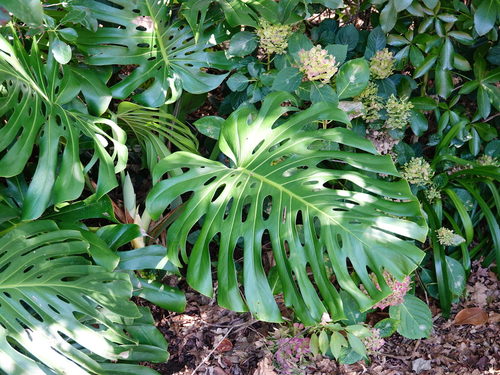
Monstera deliciosa is a popular tropical houseplant known for its large, fenestrated leaves and vining growth habit. It contains insoluble calcium oxalate crystals that can cause irritation if ingested by pets.
Potentially toxic for cats & dogs.
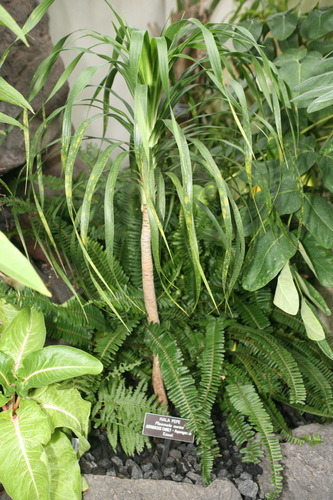
Dracaena trifasciata is a popular, hardy houseplant known for its stiff, sword-like leaves with striking yellow margins. It is widely appreciated for its air-purifying qualities and ability to thrive in various indoor conditions.
Potentially toxic for cats & dogs.
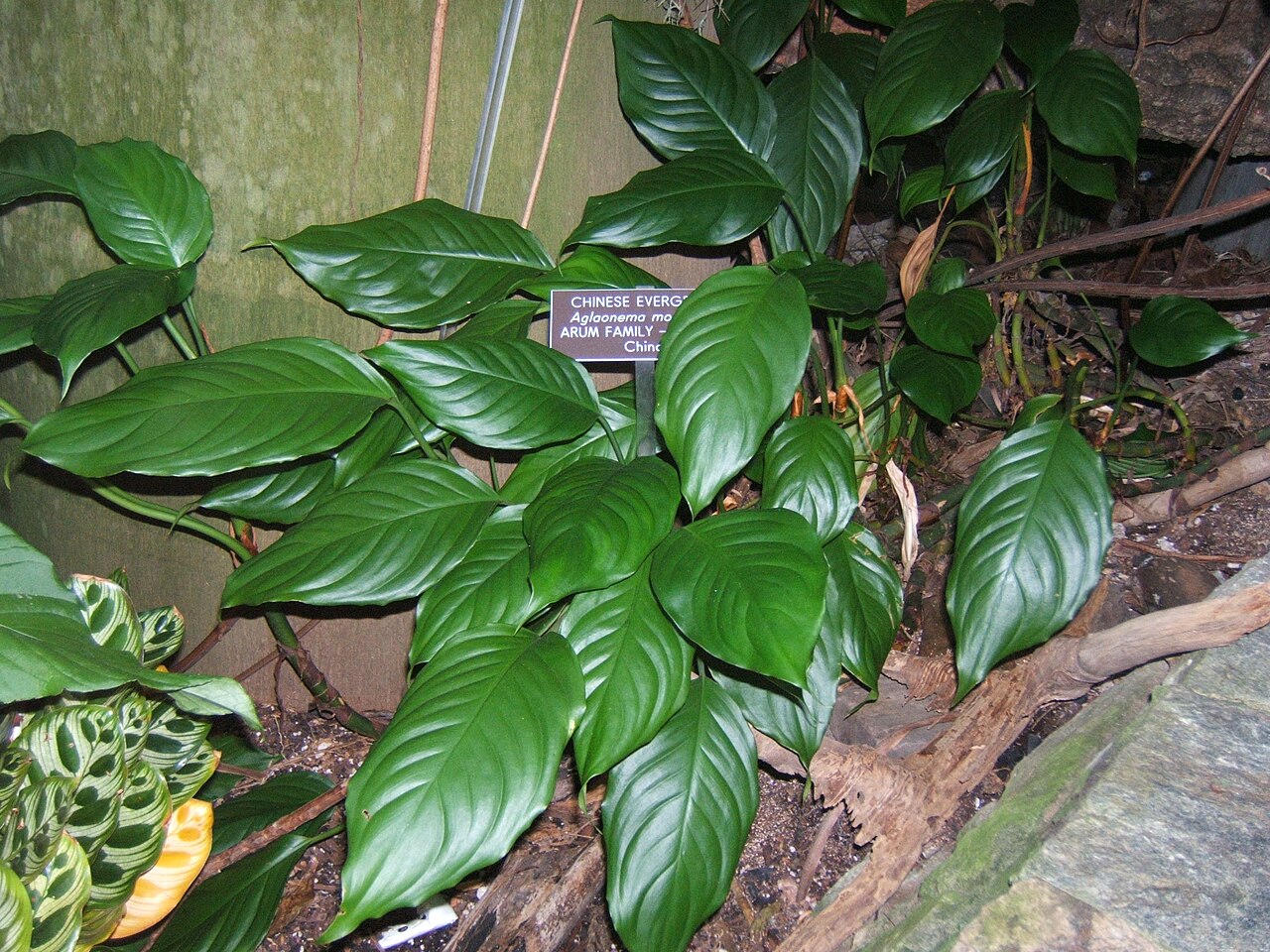
Chinese Evergreen is a popular indoor foliage plant known for its patterned leaves and tolerance of low light conditions. It contains insoluble calcium oxalate crystals that can cause irritation if ingested or chewed.
Potentially toxic for cats & dogs.
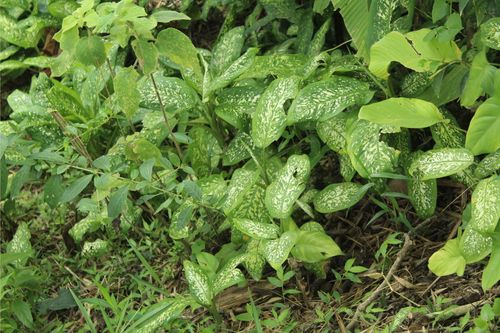
Dieffenbachia is a popular tropical houseplant known for its large, variegated leaves. It contains insoluble calcium oxalate crystals that can cause irritation if ingested or chewed.
Potentially toxic for cats & dogs.