Is cosmos toxic to cats?
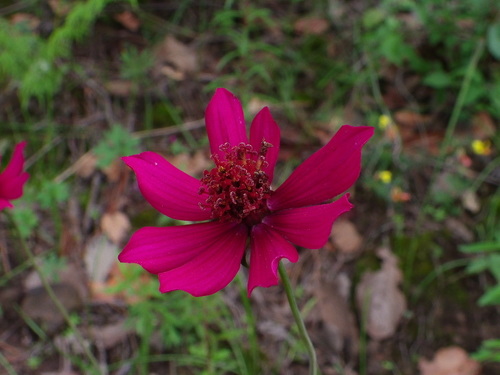
Cosmos (Cosmos bipinnatus) is generally considered non-toxic to cats and is not known to cause systemic toxicity. According to a Vet Explains Pets cat safety review, it is typically regarded as a pet-safe garden flower.
What happens if my cat eats cosmos flowers or leaves?
Chewing or eating cosmos foliage and flowers may cause mild GI upset — vomiting, drooling, or loose stool — simply from ingesting plant material, not from a specific toxin. Symptoms should be mild and short-lived.
What should I do if my cat ate part of a cosmos plant?
Monitor your cat for vomiting, drooling, or diarrhea. If symptoms are mild and brief, supportive care is usually sufficient. If symptoms are persistent, severe, or you are unsure whether the plant was actually cosmos, contact your veterinarian or the ASPCA Animal Poison Control Center at (888) 426-4435.
Does it matter how much cosmos a cat eats?
Non-toxic does not mean safe to eat in large amounts. Even a generally safe plant can cause more pronounced GI upset if a cat consumes a significant quantity of foliage or flowers, so it is still worth keeping cosmos from becoming a regular snack.
Are cosmos flowers safe for dogs?
Cosmos (Cosmos bipinnatus) are generally considered non-toxic to dogs and are not known to cause systemic toxicity. That said, non-toxic does not mean harmless in quantity — eating large amounts of flowers, stems, or leaves can still cause mild stomach upset.
What happens if a dog eats cosmos plants?
Cosmos are not known to cause systemic toxicity in dogs, but larger ingestions outside their normal diet can lead to mild gastrointestinal upset such as vomiting or diarrhea. Discourage grazing and monitor your dog after any plant snacking.
What should I do if my dog ate cosmos from the garden?
For a small nibble of cosmos, monitor your dog for vomiting, diarrhea, or lethargy. If symptoms persist, or if your dog ate a large quantity, call your veterinarian — also make sure no nearby toxic plants were eaten at the same time, as gardens often contain a mix of species.
What part of the cosmos plant could upset a dog's stomach?
The flowers, stems, and leaves of cosmos can all contribute to mild GI upset if eaten in larger amounts, though none are known to contain systemic toxins. The issue is quantity and digestive disruption rather than a specific toxic compound.