Cats
Potentially toxicConsulted references classify the plant as toxic or irritating for that pet type.
Verified against ASPCA/provenance audit 2026-05-06 on May 6, 2026.
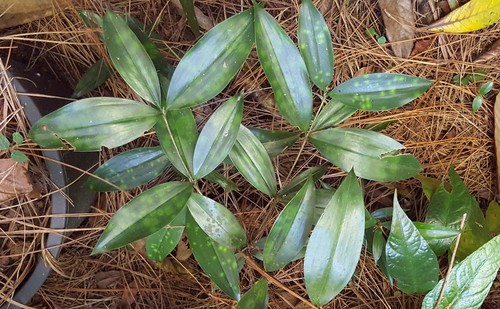
Dracaena surculosa
Dracaena surculosa is a popular ornamental houseplant known for its spotted, leathery foliage. It contains saponins which can cause gastrointestinal distress if ingested by pets.
Safety status
Cats
Potentially toxicConsulted references classify the plant as toxic or irritating for that pet type.
Verified against ASPCA/provenance audit 2026-05-06 on May 6, 2026.
Cats that taste Gold Dust Dracaena are exposed to saponins, which mainly irritate the GI tract. Most exposures are unpleasant rather than dangerous, but cats characteristically show dilated pupils — a sign that doesn't appear in dogs.
Vomiting (sometimes blood-tinged), hypersalivation, loss of appetite, and depression. Dilated pupils are a distinctive feline sign worth noting.
ASPCA does not publish a specific onset or duration; signs typically appear within hours of ingestion.
Call ASPCA Poison Control or your vet if you see blood in the vomit, vomiting that doesn't resolve, refusal to eat for more than a few hours, or noticeably dilated pupils.
Sources: ASPCA (no first-aid guidance).
If a pet has chewed or swallowed plant material and is showing symptoms, contact a veterinarian or poison resource immediately. This product is for structured reference, not diagnosis.
Cats — concern notes
Common signs
Vomiting, hypersalivation, dilated pupils, and loss of appetite.
Escalation note
Ingestion can lead to significant gastrointestinal upset. Please contact your veterinarian if you suspect your cat has consumed any part of this plant.
Safer alternatives
No hand-picked alternatives for this plant yet. You can still pick your own using the Compare button on any other plant.
Kew Plants of the World Online
botanical · 95% reliability
Accepted botanical name Dracaena surculosa Lindl.
Yes, Gold Dust Dracaena (Dracaena surculosa) is toxic to cats. It contains saponins that can cause gastrointestinal distress and other symptoms if ingested. Keep it out of reach of curious cats.
Signs of ingestion include vomiting, hypersalivation, loss of appetite, and dilated pupils. Dilated pupils are a distinctive feline reaction worth watching for specifically. Vomiting may occasionally be blood-tinged.
Call ASPCA Animal Poison Control at (888) 426-4435 or your veterinarian right away. Seek immediate help if you notice blood in the vomit, vomiting that won't stop, refusal to eat for more than a few hours, or noticeably dilated pupils. Signs typically appear within hours of ingestion.
The toxic agent in Dracaena surculosa is saponins, which are present throughout the plant. There is no documented 'safe' part — any ingestion can trigger vomiting, hypersalivation, and appetite loss in cats.
Same cat verdict
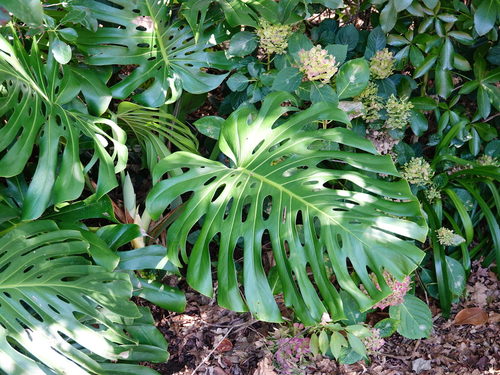
Monstera deliciosa is a popular tropical houseplant known for its large, fenestrated leaves and vining growth habit. It contains insoluble calcium oxalate crystals that can cause irritation if ingested by pets.
Potentially toxic for cats & dogs.
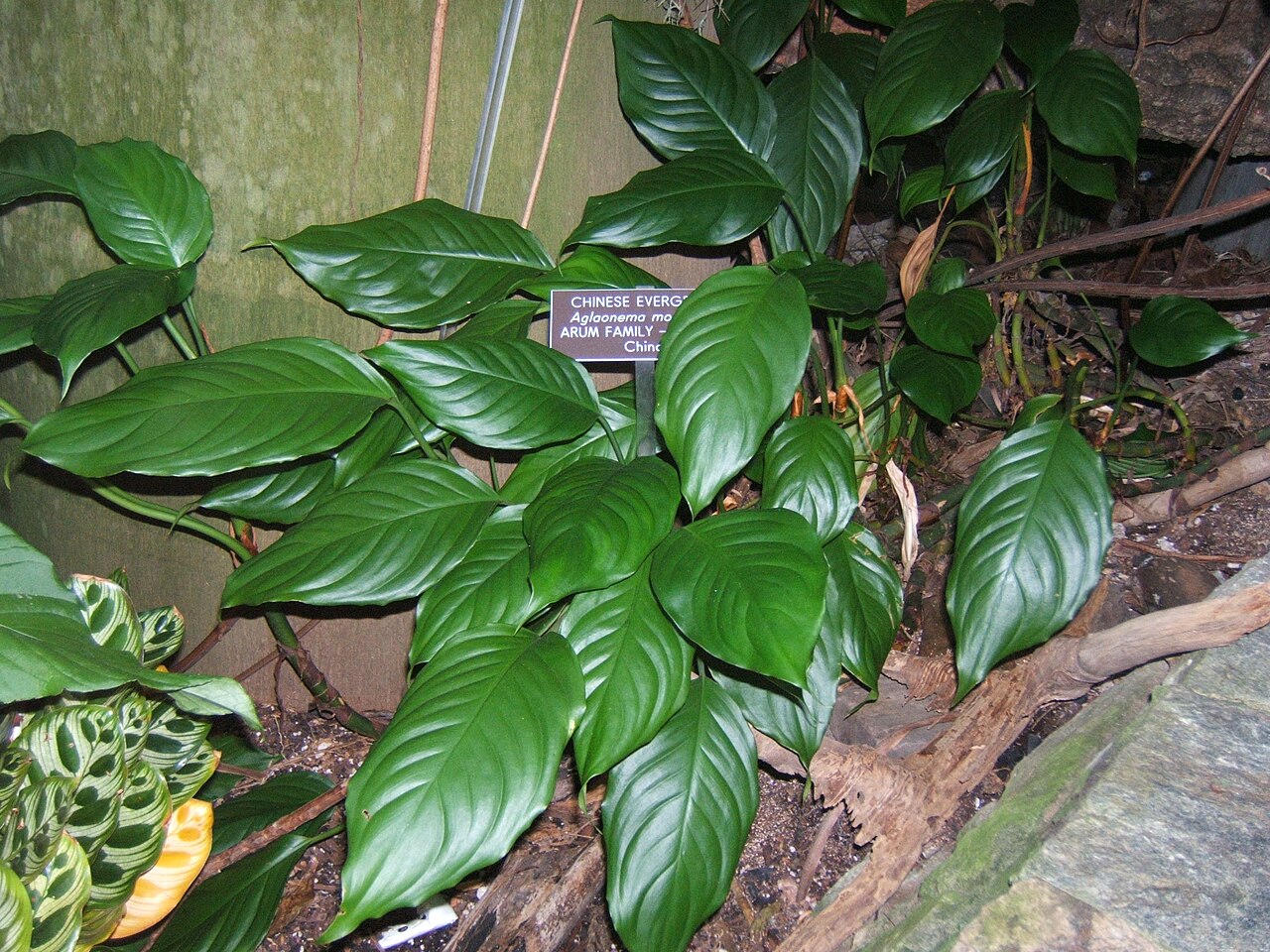
Chinese Evergreen is a popular indoor foliage plant known for its patterned leaves and tolerance of low light conditions. It contains insoluble calcium oxalate crystals that can cause irritation if ingested or chewed.
Potentially toxic for cats & dogs.
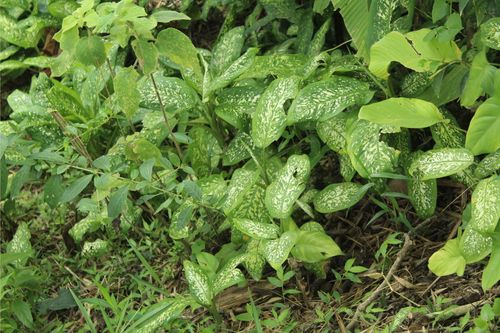
Dieffenbachia is a popular tropical houseplant known for its large, variegated leaves. It contains insoluble calcium oxalate crystals that can cause irritation if ingested or chewed.
Potentially toxic for cats & dogs.