Compare

Ambrosia Mexicana vs. Feather Geranium: which is safe for cats and dogs?

Ambrosia Mexicana and Feather Geranium are frequently confused because they share the common name alias ambrosia mexicana, leading many gardeners to believe they are distinct species when they are often the same plant, botanically known as Chenopodium botrys. It is important for pet owners to understand that both names refer to the same potentially toxic plant. Ingestion of this aromatic herb can cause gastrointestinal distress and irritation in both cats and dogs. While reactions are often mild, you should keep this plant out of reach of your pets and contact your veterinarian immediately if you suspect that your animal has consumed any part of the foliage.

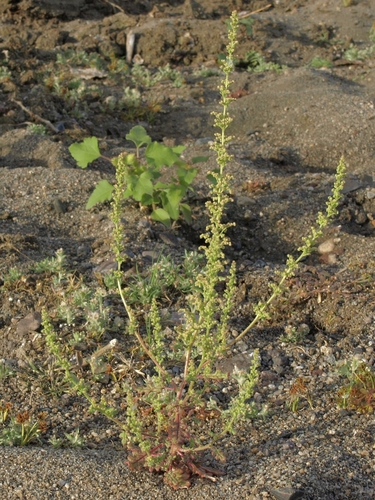
Ambrosia Mexicana

Chenopodium botrys

Chenopodium botrys is an aromatic annual herb often grown for its unique scent and foliage. It contains compounds that can cause gastrointestinal distress if ingested by pets.

cat

Potentially toxic

Consulted references classify the plant as toxic or irritating for that pet type.

Watch for

Drooling, vomiting, diarrhea, and abdominal discomfort.

dog

Potentially toxic

Consulted references classify the plant as toxic or irritating for that pet type.

Watch for

Vomiting, lethargy, loss of appetite, and gastrointestinal irritation.
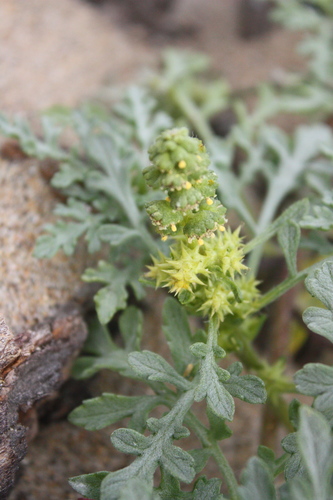
Feather Geranium

Ambrosia mexicana

Feather Geranium is an herbaceous plant known for its aromatic, fern-like foliage. It is considered toxic to pets if ingested and should be kept out of reach of cats and dogs.

cat

Potentially toxic

Consulted references classify the plant as toxic or irritating for that pet type.

Watch for

Oral irritation, excessive drooling, vomiting, and potential gastrointestinal distress.

dog

Potentially toxic

Consulted references classify the plant as toxic or irritating for that pet type.

Watch for

Vomiting, diarrhea, lethargy, and irritation of the mouth or throat.