Compare

Chenille Plant vs. Copperleaf: which is safe for cats and dogs?

Chenille Plant and Copperleaf are frequently compared because both belong to the Acalypha genus, sharing similar tropical growth habits that make them popular choices for indoor and outdoor gardens. If you are a pet owner, it is important to know that both of these plants are considered potentially toxic to cats and dogs. While the specific visual appeal of the fuzzy red spikes on a Chenille Plant differs greatly from the vibrant, variegated leaves of Copperleaf, ingestion of either plant can lead to gastrointestinal distress and irritation for your household pets. Always monitor your animals closely around these shrubs and contact your veterinarian if ingestion occurs.

Chenille Plant

Acalypha hispida

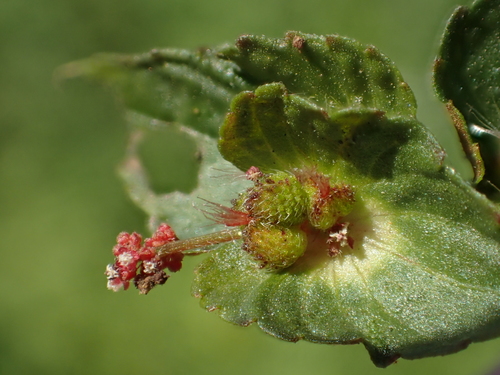
Acalypha hispida is a tropical shrub known for its long, drooping, fuzzy red flower spikes that resemble a fox's tail. It is a popular ornamental plant that requires warm, humid conditions to thrive.

cat

Potentially toxic

Consulted references classify the plant as toxic or irritating for that pet type.

Watch for

Oral irritation, excessive drooling, vomiting, and difficulty swallowing.

dog

Potentially toxic

Consulted references classify the plant as toxic or irritating for that pet type.

Watch for

Gastrointestinal upset, including vomiting, diarrhea, and irritation of the mouth and throat.
Copperleaf

Acalypha godseffiana

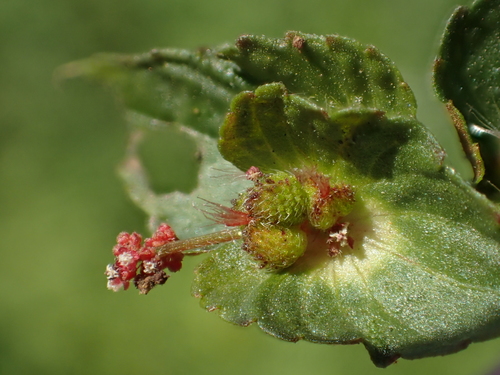
Copperleaf is a tropical shrub known for its vibrant, variegated foliage. It contains compounds that can cause irritation if ingested by household pets.

cat

Potentially toxic

Consulted references classify the plant as toxic or irritating for that pet type.

Watch for

Oral irritation, excessive drooling, vomiting, and difficulty swallowing.

dog

Potentially toxic

Consulted references classify the plant as toxic or irritating for that pet type.

Watch for

Vomiting, diarrhea, lethargy, and potential irritation of the mouth and throat.