Compare

Cardboard Cycad vs. Coontie Palm: which is safe for cats and dogs?

Cardboard Cycad and Coontie Palm are frequently confused by gardeners and pet owners alike because both plants share the common-name alias Cardboard Palm. Despite their similar appearance and shared classification as cycads, it is vital to understand that both plants are highly toxic to cats and dogs. Both Cardboard Cycad and Coontie Palm contain dangerous compounds that can lead to severe health complications, including liver failure, if ingested. Because these plants pose a significant risk to your pets, they should be kept entirely out of reach or avoided in households with curious animals. If you suspect your pet has nibbled on either plant, seek immediate veterinary care.

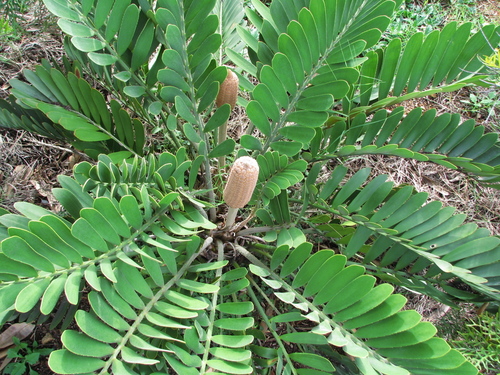
Cardboard Cycad

Zamia furfuracea

The Cardboard Cycad is a slow-growing cycad known for its stiff, leathery, palm-like foliage. It is highly toxic to pets if ingested and requires careful placement in households with animals.

cat

Potentially toxic

Consulted references classify the plant as toxic or irritating for that pet type.

Watch for

Vomiting, diarrhea, lethargy, jaundice, increased thirst, and potential liver failure.

dog

Potentially toxic

Consulted references classify the plant as toxic or irritating for that pet type.

Watch for

Vomiting, bloody stool, jaundice, bruising, coagulopathy, and potential liver failure.
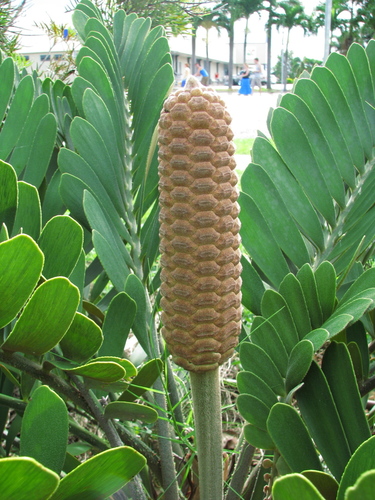
Coontie Palm

Zamia pumila

Zamia pumila is a cycad native to the southeastern United States, often grown as an ornamental landscape or container plant. It contains toxic compounds that can cause severe health complications if ingested by pets.

cat

Potentially toxic

Consulted references classify the plant as toxic or irritating for that pet type.

Watch for

Vomiting, diarrhea, lethargy, jaundice, and potential liver failure.

dog

Potentially toxic

Consulted references classify the plant as toxic or irritating for that pet type.

Watch for

Vomiting, bloody stools, jaundice, increased thirst, bruising, and liver damage.