Dogs
Potentially toxicConsulted references classify the plant as toxic or irritating for that pet type.
Verified against ASPCA/provenance audit 2026-05-06 on May 6, 2026.
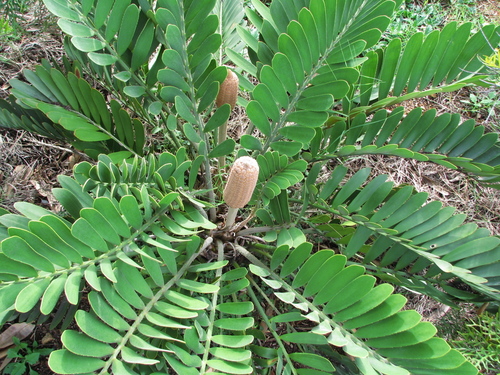
Zamia furfuracea
The Cardboard Cycad is a slow-growing cycad known for its stiff, leathery, palm-like foliage. It is highly toxic to pets if ingested and requires careful placement in households with animals.
Safety status
Dogs
Potentially toxicConsulted references classify the plant as toxic or irritating for that pet type.
Verified against ASPCA/provenance audit 2026-05-06 on May 6, 2026.
Dogs: this is an ER visit, not a wait-and-see. Cardboard cycad contains cycasin (and macrozamin), which target the liver, and as little as one or two seeds has killed dogs. Even with aggressive treatment, roughly half of cases are still fatal — outcomes hinge on how fast decontamination starts.
Vomiting (sometimes bloody) and dark or tarry stools usually come first. As the liver is hit, look for jaundice, easy bruising, nosebleeds, or unexplained bleeding. Severe cases progress to weakness, ataxia, tremors, seizures, or collapse.
GI signs typically appear within 15 minutes to several hours. Neurologic signs (ataxia, tremors, seizures) can develop at 4–12 hours, and acute liver failure usually declares itself at 2–3 days, with bloodwork changes detectable at 24–48 hours.
Call right now, on suspicion alone. Don't wait for vomiting to start and don't wait to see how the dog looks at home — early induced vomiting at the clinic is the single biggest survival lever.
Call ASPCA Poison Control (888-426-4435) or an emergency vet immediately. If it's safe, remove any plant material from your dog's mouth and bring a piece or clear photo of the plant for identification. Do not induce vomiting at home — that's for the veterinarian to decide.
Sources: NC State Extension, ASPCA, Pet Poison Helpline.
If a pet has chewed or swallowed plant material and is showing symptoms, contact a veterinarian or poison resource immediately. This product is for structured reference, not diagnosis.
Dogs — concern notes
Common signs
Vomiting, bloody stool, jaundice, bruising, coagulopathy, and potential liver failure.
Escalation note
All parts of the plant are toxic, with seeds being the most dangerous. Ingestion is a medical emergency; contact your veterinarian or an animal poison control center immediately.
Safer alternatives
No hand-picked alternatives for this plant yet. You can still pick your own using the Compare button on any other plant.
NC State Extension Plant Toolbox
botanical · 94% reliability
Zamia furfuracea is a cycad that is highly toxic to humans and animals if ingested.
Yes, cardboard cycad (Zamia furfuracea) is highly toxic to dogs. All parts of the plant are dangerous, and ingestion is treated as a medical emergency — even a small amount can cause serious harm.
Vomiting (sometimes bloody) and dark or tarry stools typically appear within 15 minutes to several hours. Neurologic signs like ataxia, tremors, or seizures can follow at 4–12 hours, and acute liver failure usually declares itself at 2–3 days, with bloodwork changes detectable at 24–48 hours. Severe cases can progress to jaundice, unexplained bleeding, coagulopathy, and death.
Call ASPCA Animal Poison Control (888-426-4435) or an emergency vet immediately — do not wait for symptoms to appear. Remove any plant material from your dog's mouth if it's safe to do so, and bring a piece or clear photo of the plant for identification. Do not try to induce vomiting at home; that decision belongs to the veterinarian, and early clinic-induced vomiting is the single biggest survival lever.
Yes — while all parts of the cardboard cycad are toxic to dogs, the seeds are the most dangerous. That said, the leaves and stem are still capable of causing severe poisoning, so no part of the plant should be considered safe.
Same dog verdict
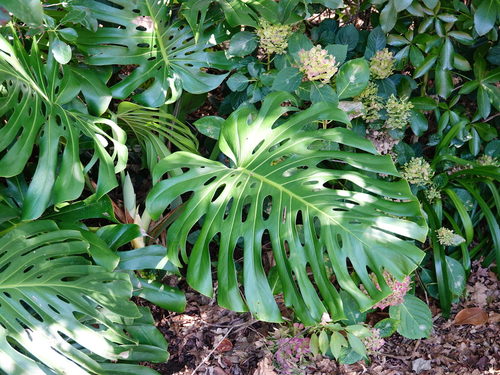
Monstera deliciosa is a popular tropical houseplant known for its large, fenestrated leaves and vining growth habit. It contains insoluble calcium oxalate crystals that can cause irritation if ingested by pets.
Potentially toxic for cats & dogs.
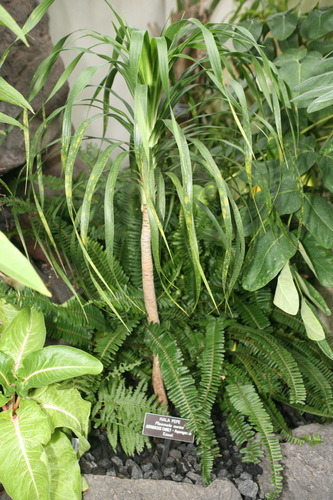
Dracaena trifasciata is a popular, hardy houseplant known for its stiff, sword-like leaves with striking yellow margins. It is widely appreciated for its air-purifying qualities and ability to thrive in various indoor conditions.
Potentially toxic for cats & dogs.
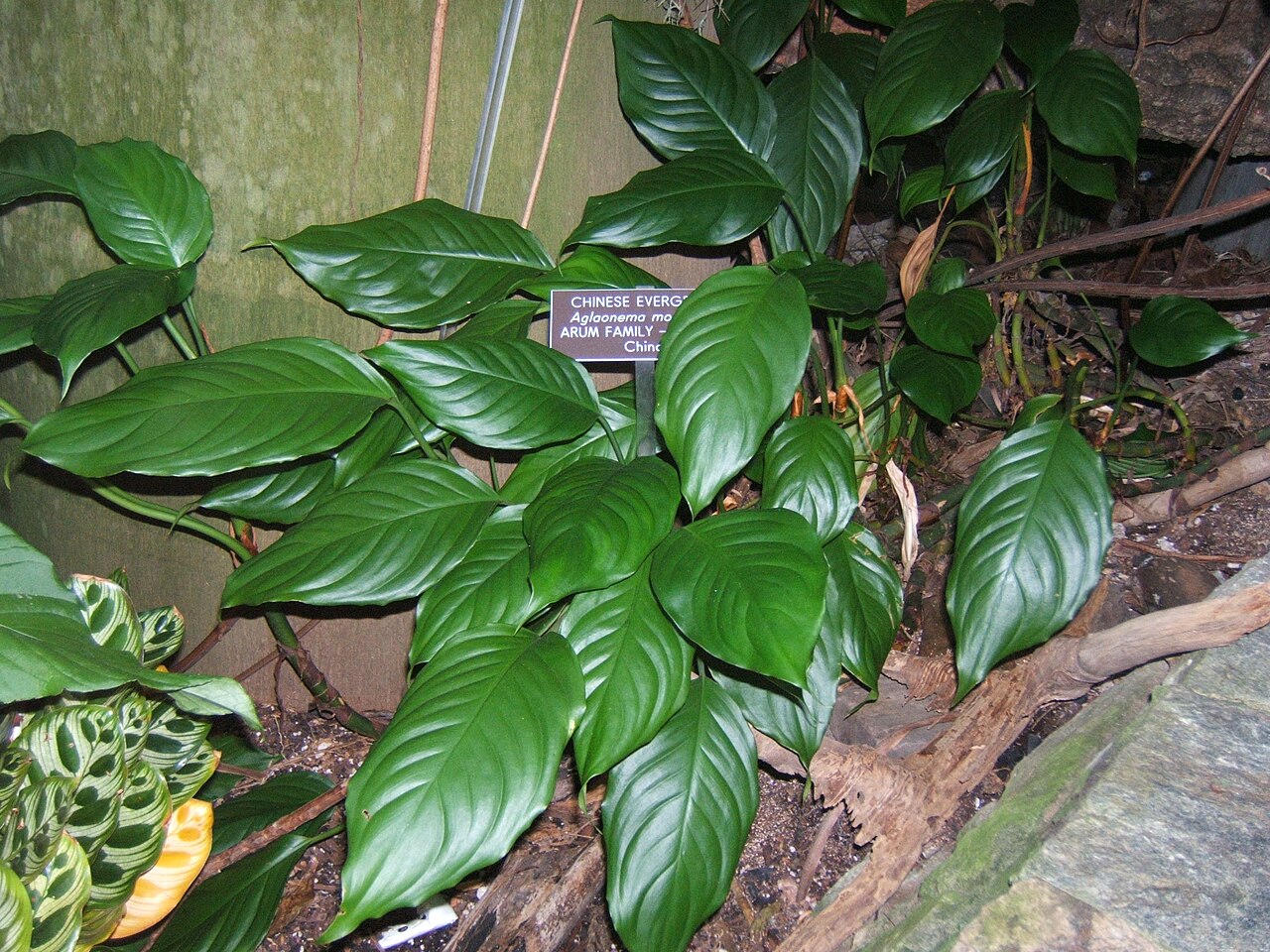
Chinese Evergreen is a popular indoor foliage plant known for its patterned leaves and tolerance of low light conditions. It contains insoluble calcium oxalate crystals that can cause irritation if ingested or chewed.
Potentially toxic for cats & dogs.
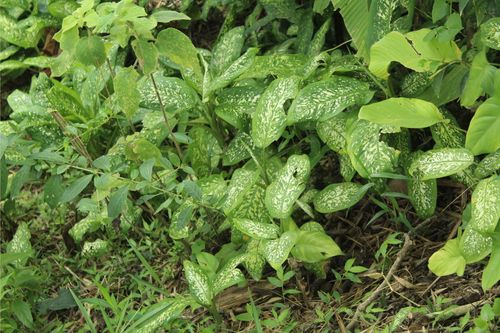
Dieffenbachia is a popular tropical houseplant known for its large, variegated leaves. It contains insoluble calcium oxalate crystals that can cause irritation if ingested or chewed.
Potentially toxic for cats & dogs.