Cats
Potentially toxicConsulted references classify the plant as toxic or irritating for that pet type.
Verified against ASPCA/provenance audit 2026-05-06 on May 6, 2026.
Sources
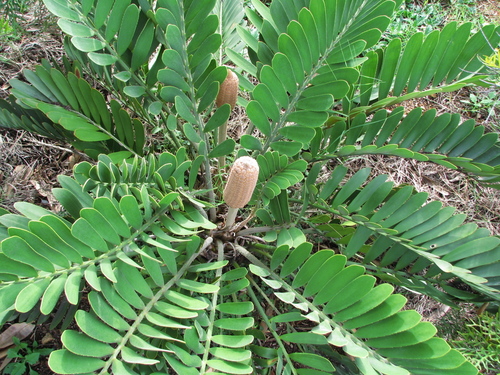
Zamia furfuracea
The Cardboard Cycad is a slow-growing cycad known for its stiff, leathery, palm-like foliage. It is highly toxic to pets if ingested and requires careful placement in households with animals.
Safety status
Cats
Potentially toxicConsulted references classify the plant as toxic or irritating for that pet type.
Verified against ASPCA/provenance audit 2026-05-06 on May 6, 2026.
Sources
Cats: treat any chew as a medical emergency. Every part of this cycad contains cycasin, a glycoside that the gut converts into a liver toxin, and ASPCA lists the whole plant as toxic to cats. Seeds carry the worst dose, but a few leaf bites are still enough to send a cat to the ER.
First signs are usually drooling, vomiting, and diarrhea — sometimes within minutes. Over the next several hours watch for lethargy, refusal to eat, and increased thirst. Jaundice (yellow gums or yellow whites of the eyes) signals that the liver is taking damage and is a red-flag finding.
GI signs typically appear within 15 minutes to a few hours of ingestion. Liver enzyme elevations show up on bloodwork at 24–48 hours, and acute liver failure can develop 2–3 days post-ingestion.
Call immediately — don't wait for symptoms. Bloodwork can stay normal for the first day while liver injury is already underway, so symptom-watching at home is not safe with this plant.
Time matters. Call your vet or ASPCA Poison Control (888-426-4435) immediately, before signs appear. If it's safe, gently remove any plant material from your cat's mouth and bring a piece or clear photo of the plant for identification. Do not induce vomiting at home — that decision is for the veterinarian.
Sources: ASPCA, Pet Poison Helpline.
If a pet has chewed or swallowed plant material and is showing symptoms, contact a veterinarian or poison resource immediately. This product is for structured reference, not diagnosis.
Cats — concern notes
Common signs
Vomiting, diarrhea, lethargy, jaundice, increased thirst, and potential liver failure.
Escalation note
This plant contains cycasin, which is extremely toxic to cats. Ingestion of even small amounts can be life-threatening; contact a veterinarian immediately if ingestion is suspected.
Safer alternatives
No hand-picked alternatives for this plant yet. You can still pick your own using the Compare button on any other plant.
ASPCA Toxic Plant List
toxicology · 99% reliability
The Cardboard Palm contains cycasin, which can cause severe liver failure and death in pets.
Yes, cardboard cycad (Zamia furfuracea) is highly toxic to cats. It contains cycasin, an extremely potent toxin that can cause life-threatening liver failure even from a small amount. This is a medical emergency — contact your vet or the ASPCA Animal Poison Control Center at (888) 426-4435 immediately if your cat has touched or eaten any part of this plant.
Early signs — often within 15 minutes to a few hours — include drooling, vomiting, and diarrhea. Over the following hours watch for lethargy, loss of appetite, and increased thirst. Jaundice (yellow gums or yellowing of the whites of the eyes) is a red-flag sign that liver damage is underway and requires emergency care. Liver enzyme elevations may not appear on bloodwork until 24–48 hours after ingestion, and acute liver failure can develop 2–3 days later.
Call your vet or ASPCA Poison Control (888) 426-4435 immediately — do not wait for symptoms to appear. Gently remove any plant material from your cat's mouth if it is safe to do so, and bring a piece of the plant or a clear photo for identification. Do not try to induce vomiting at home; that decision must be made by a veterinarian.
Cardboard cycad contains cycasin, a toxin that causes severe liver damage. What makes it especially dangerous is that bloodwork can appear normal for the first 24 hours while liver injury is already progressing, meaning symptom-watching at home gives a false sense of safety. Because the window for effective treatment is narrow, vets recommend calling immediately — even if your cat seems fine — rather than waiting to see if signs develop.
Same cat verdict
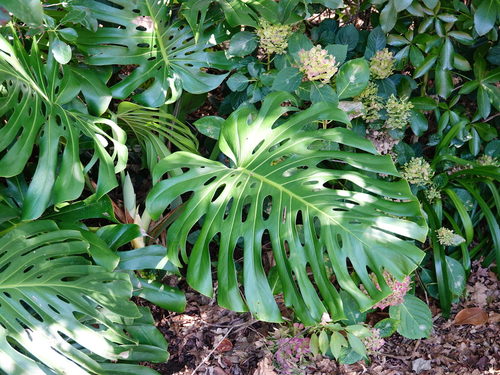
Monstera deliciosa is a popular tropical houseplant known for its large, fenestrated leaves and vining growth habit. It contains insoluble calcium oxalate crystals that can cause irritation if ingested by pets.
Potentially toxic for cats & dogs.
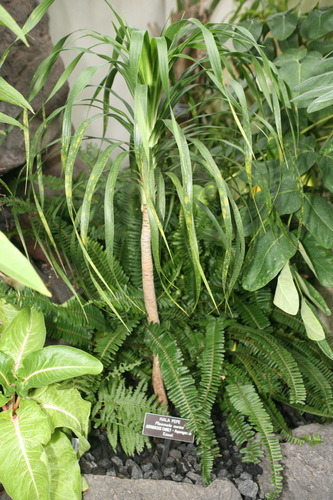
Dracaena trifasciata is a popular, hardy houseplant known for its stiff, sword-like leaves with striking yellow margins. It is widely appreciated for its air-purifying qualities and ability to thrive in various indoor conditions.
Potentially toxic for cats & dogs.
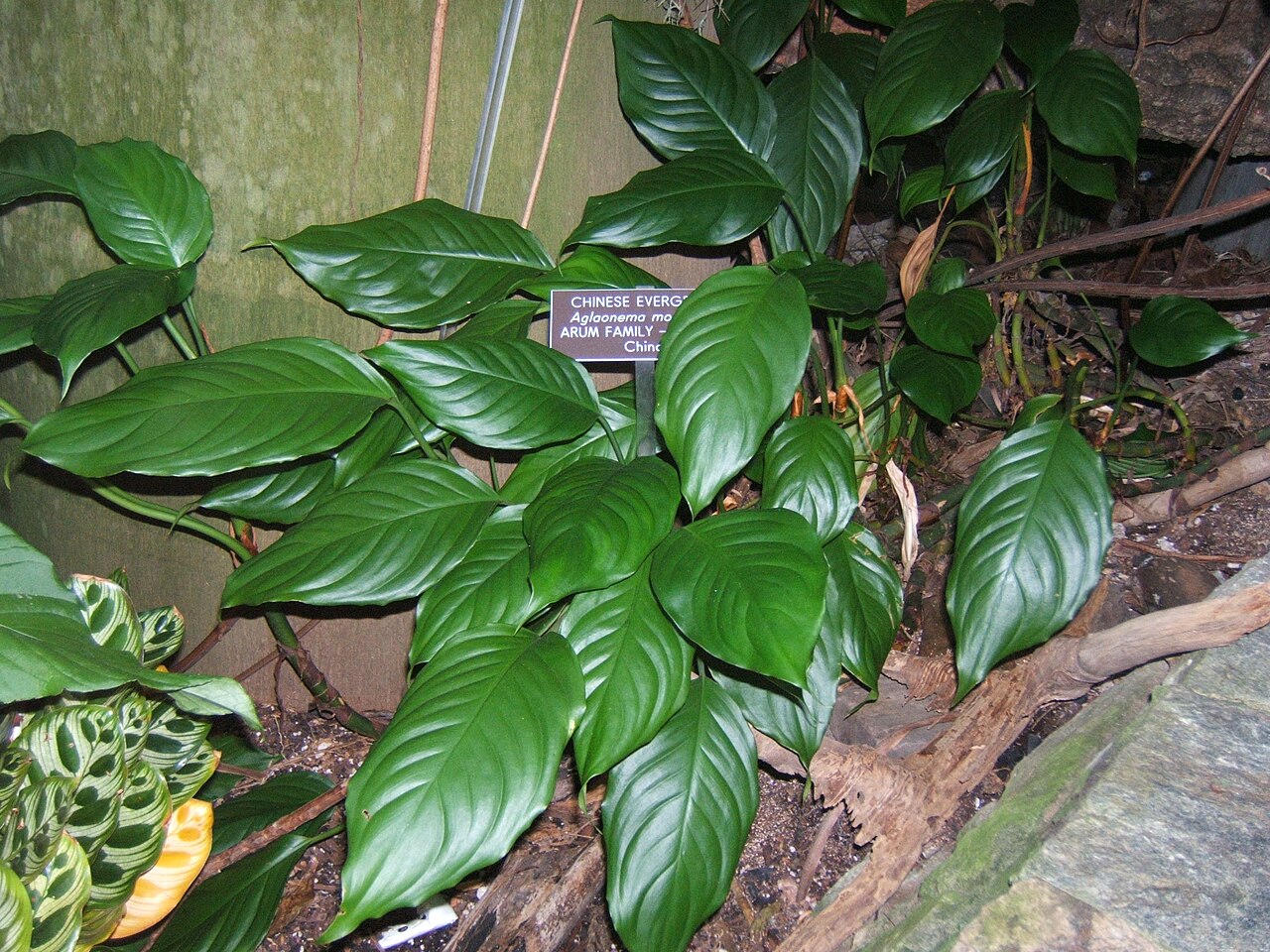
Chinese Evergreen is a popular indoor foliage plant known for its patterned leaves and tolerance of low light conditions. It contains insoluble calcium oxalate crystals that can cause irritation if ingested or chewed.
Potentially toxic for cats & dogs.
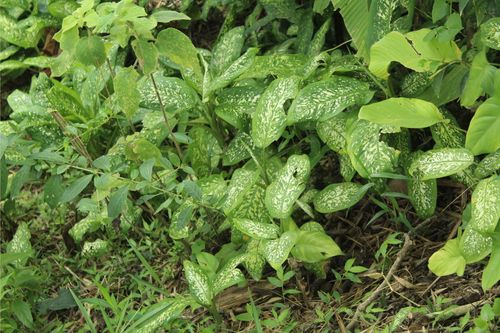
Dieffenbachia is a popular tropical houseplant known for its large, variegated leaves. It contains insoluble calcium oxalate crystals that can cause irritation if ingested or chewed.
Potentially toxic for cats & dogs.