Dogs
Potentially toxicConsulted references classify the plant as toxic or irritating for that pet type.
Verified against ASPCA/provenance audit 2026-05-06 on May 6, 2026.
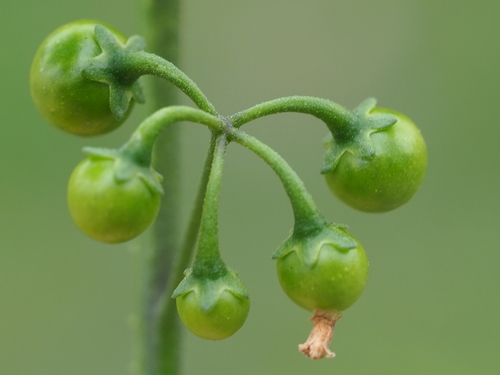
Solanum nigrum
Black Nightshade is an herbaceous plant in the Solanaceae family containing solanine alkaloids that are harmful if ingested. It is widely considered a weed and is not typically cultivated as an indoor houseplant.
Safety status
Dogs
Potentially toxicConsulted references classify the plant as toxic or irritating for that pet type.
Verified against ASPCA/provenance audit 2026-05-06 on May 6, 2026.
Dogs are far more likely than cats to actually eat plant material, and that's the problem with black nightshade — the unripe green berries and foliage carry solanine and atropine-like alkaloids that can produce both GI and neurological signs. Larger ingestions are the dangerous ones, and dogs that get into a patch of berries should be treated as exposed.
GI signs come first: hypersalivation, vomiting, diarrhea, and inappetence. Larger doses can add agitation or aggression, drowsiness or CNS depression, tremors, dilated pupils, weakness, slow heart rate, and respiratory or cardiovascular depression per Pet Poison Helpline. Severity scales with how much was eaten.
Onset and duration are not well documented in the cited sources for dogs specifically. Treat exposure as time-sensitive and call rather than waiting to see if signs appear.
Call any time you suspect a dog ate the green berries or a meaningful amount of foliage. Call immediately if you see tremors, agitation, weakness, dilated pupils, or any change in breathing or heart rate. Reach Pet Poison Helpline at (855) 764-7661 or the ASPCA Animal Poison Control Center at (888) 426-4435.
Take the plant away and clear any berries or leaves out of your dog's mouth, then call Pet Poison Helpline at (855) 764-7661 or your veterinarian for first-aid advice. Do not induce vomiting at home unless poison control or your vet specifically tells you to.
Sources: ASPCA, Pet Poison Helpline.
If a pet has chewed or swallowed plant material and is showing symptoms, contact a veterinarian or poison resource immediately. This product is for structured reference, not diagnosis.
Dogs — concern notes
Common signs
Gastrointestinal upset including vomiting and diarrhea, hypersalivation, weakness, and potential neurological signs like incoordination.
Escalation note
The plant contains toxic alkaloids that affect the nervous and digestive systems. Seek veterinary care promptly if your dog has consumed this plant.
Safer alternatives
No hand-picked alternatives for this plant yet. You can still pick your own using the Compare button on any other plant.
Yes, Black Nightshade (Solanum nigrum) is toxic to dogs. It contains solanine alkaloids that affect both the nervous and digestive systems, and ingestion warrants prompt veterinary attention.
GI signs typically come first: hypersalivation, vomiting, diarrhea, and loss of appetite. Larger ingestions can progress to agitation, drowsiness, tremors, incoordination, dilated pupils, weakness, and potentially slow heart rate or cardiovascular depression — severity scales with how much was eaten.
Remove the plant and clear any remaining berries or leaves from your dog's mouth, then call Pet Poison Helpline at (855) 764-7661 or the ASPCA Animal Poison Control Center at (888) 426-4435 right away. Do not induce vomiting at home unless poison control or your vet specifically instructs you to.
Onset and duration are not well documented for dogs specifically. Because timing is uncertain, treat any suspected exposure as time-sensitive — call your vet or a poison hotline immediately rather than waiting to see whether symptoms develop.
Same dog verdict
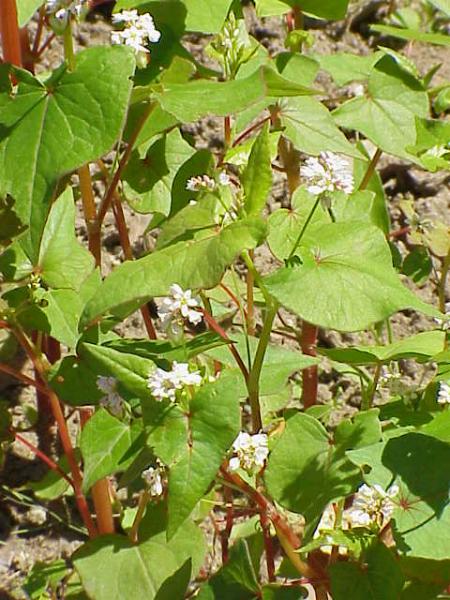
Buckwheat is an herbaceous plant often grown for its grain-like seeds, but it contains compounds that can cause photosensitivity in animals if ingested in large quantities. It is generally considered a concern for pets if consumed in significant amounts.
Potentially toxic for cats & dogs.
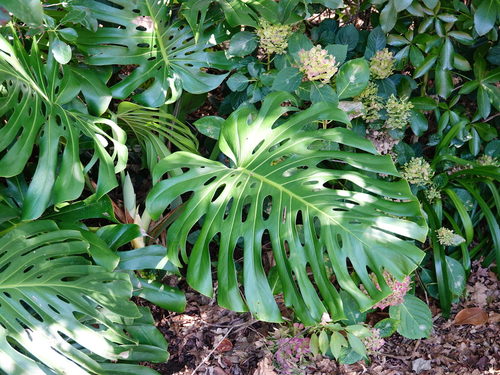
Monstera deliciosa is a popular tropical houseplant known for its large, fenestrated leaves and vining growth habit. It contains insoluble calcium oxalate crystals that can cause irritation if ingested by pets.
Potentially toxic for cats & dogs.
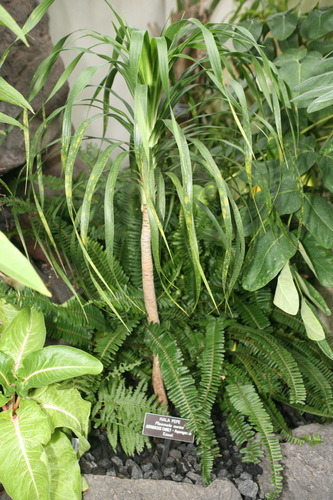
Dracaena trifasciata is a popular, hardy houseplant known for its stiff, sword-like leaves with striking yellow margins. It is widely appreciated for its air-purifying qualities and ability to thrive in various indoor conditions.
Potentially toxic for cats & dogs.
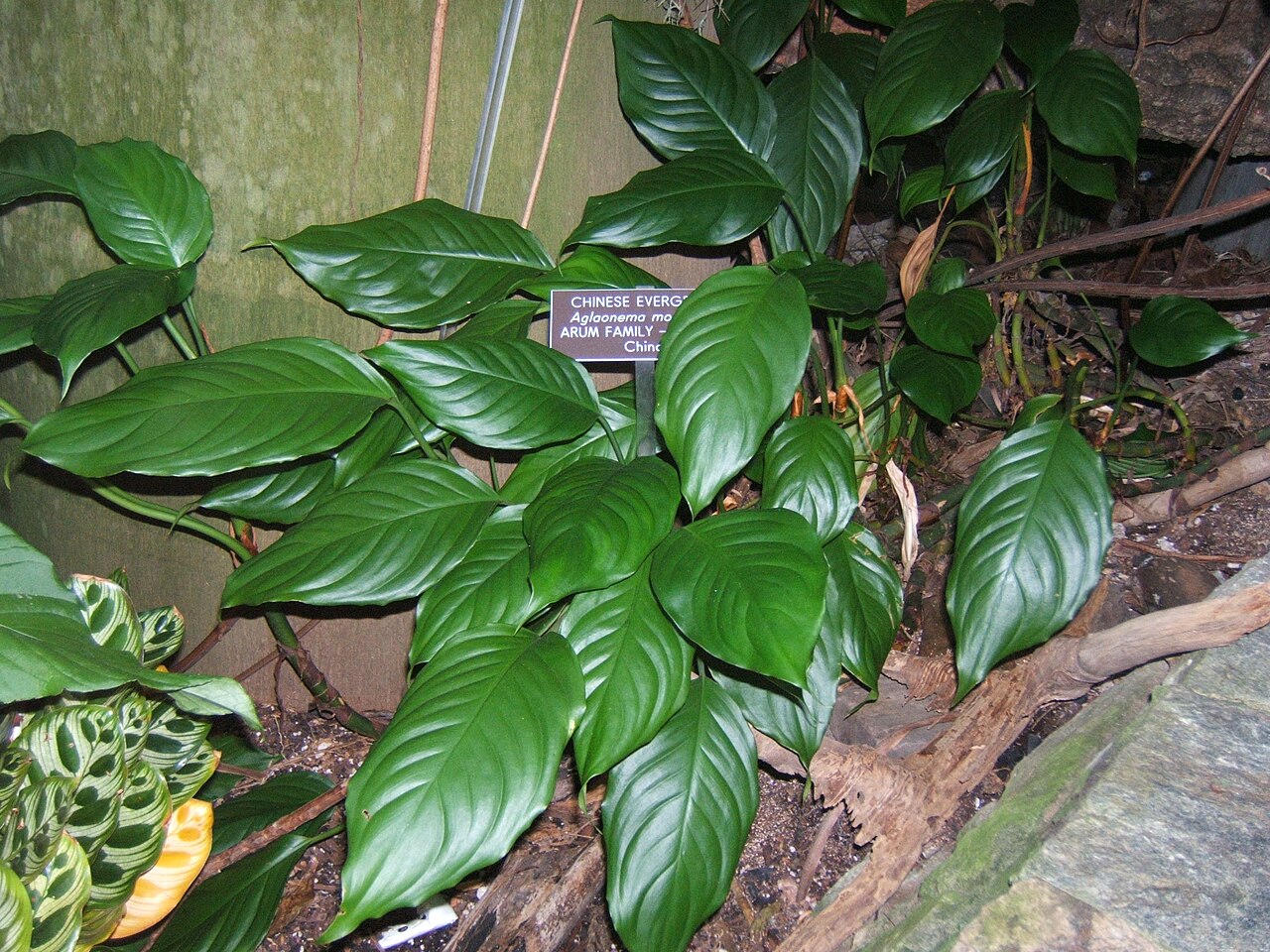
Chinese Evergreen is a popular indoor foliage plant known for its patterned leaves and tolerance of low light conditions. It contains insoluble calcium oxalate crystals that can cause irritation if ingested or chewed.
Potentially toxic for cats & dogs.