Cats
Potentially toxicConsulted references classify the plant as toxic or irritating for that pet type.
Verified against ASPCA/provenance audit 2026-05-06 on May 6, 2026.
Sources
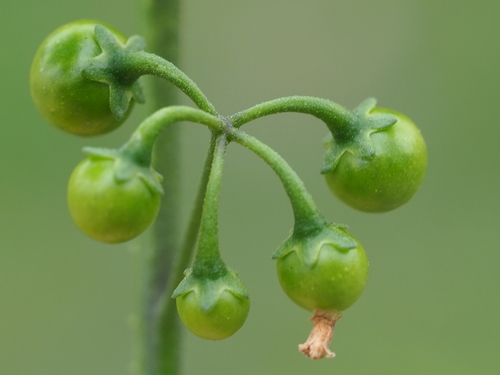
Solanum nigrum
Black Nightshade is an herbaceous plant in the Solanaceae family containing solanine alkaloids that are harmful if ingested. It is widely considered a weed and is not typically cultivated as an indoor houseplant.
Safety status
Cats
Potentially toxicConsulted references classify the plant as toxic or irritating for that pet type.
Verified against ASPCA/provenance audit 2026-05-06 on May 6, 2026.
Sources
Cats are unlikely to eat much black nightshade voluntarily, but the unripe green berries and leaves contain solanine plus atropine-like alkaloids — enough that even a curious nibble can cause real GI and neurological signs. The ASPCA lists every part of the plant as toxic to cats, with the green fruit considered the most dangerous.
Most common in cats are heavy drooling, loss of appetite, severe gastrointestinal upset, and diarrhea. Less common but more serious: drowsiness or CNS depression, confusion or behavioral change, weakness, dilated pupils, and a slow heart rate. Severity tracks dose, with green berries the worst offender.
The cited ASPCA listing doesn't give a specific onset window for cats; clinical signs from solanine-bearing Solanum species typically appear within several hours, but exact timing is not well documented for cats specifically.
Call as soon as you suspect ingestion — don't wait for symptoms. Call immediately if your cat is showing any neurological signs (confusion, weakness, dilated pupils, slow heart rate) or persistent drooling and vomiting. Reach the ASPCA Animal Poison Control Center at (888) 426-4435 or your veterinarian.
Take any remaining plant material away from your cat and remove leaves or berries from their mouth if you can do so safely. Call the ASPCA Animal Poison Control Center at (888) 426-4435 or your veterinarian. Do not induce vomiting at home unless poison control or your vet directs you to.
Sources: ASPCA.
If a pet has chewed or swallowed plant material and is showing symptoms, contact a veterinarian or poison resource immediately. This product is for structured reference, not diagnosis.
Cats — concern notes
Common signs
Drooling, vomiting, diarrhea, lethargy, dilated pupils, and in severe cases, tremors or cardiac arrhythmias.
Escalation note
Ingestion of any part of the plant can be dangerous due to solanine content. Please contact your veterinarian or an animal poison control center immediately if ingestion is suspected.
Safer alternatives
No hand-picked alternatives for this plant yet. You can still pick your own using the Compare button on any other plant.
ASPCA Toxic Plant List
toxicology · 99% reliability
Black Nightshade is listed as toxic to both cats and dogs due to the presence of solanine.
NC State Extension Plant Toolbox
botanical · 94% reliability
Solanum nigrum is an annual herb that is considered toxic to humans and animals if ingested.
Yes, Black Nightshade (Solanum nigrum) is toxic to cats. It contains solanine alkaloids that can cause serious harm if any part of the plant is ingested, and it is classified as potentially toxic with high confidence.
Symptoms include drooling, vomiting, diarrhea, lethargy, and dilated pupils. In severe cases, cats may develop tremors or cardiac arrhythmias. Severity tracks dose, with green berries being the worst offender.
Remove any remaining plant material from your cat and clear leaves or berries from their mouth if you can do so safely. Call the ASPCA Animal Poison Control Center at (888) 426-4435 or your veterinarian immediately — do not wait for symptoms to appear, and do not induce vomiting unless directed by poison control or your vet.
All parts of the plant are dangerous due to their solanine content, but the green (unripe) berries are the worst offender. Ingestion of any part warrants an immediate call to your vet or the ASPCA Animal Poison Control Center at (888) 426-4435.
Same cat verdict
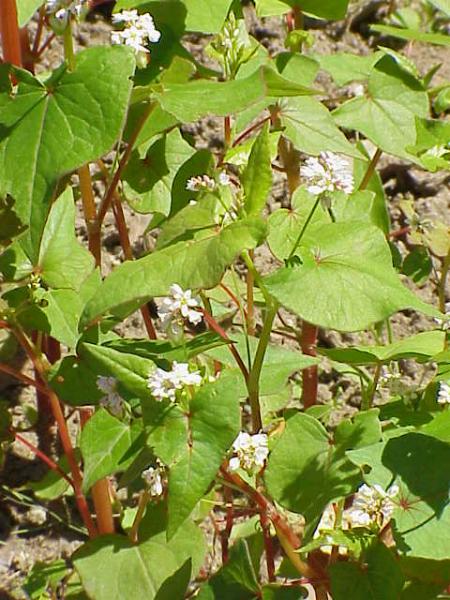
Buckwheat is an herbaceous plant often grown for its grain-like seeds, but it contains compounds that can cause photosensitivity in animals if ingested in large quantities. It is generally considered a concern for pets if consumed in significant amounts.
Potentially toxic for cats & dogs.
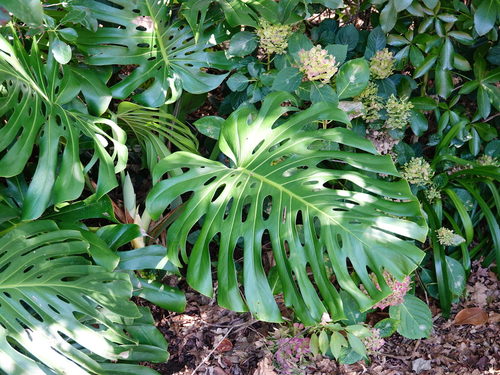
Monstera deliciosa is a popular tropical houseplant known for its large, fenestrated leaves and vining growth habit. It contains insoluble calcium oxalate crystals that can cause irritation if ingested by pets.
Potentially toxic for cats & dogs.
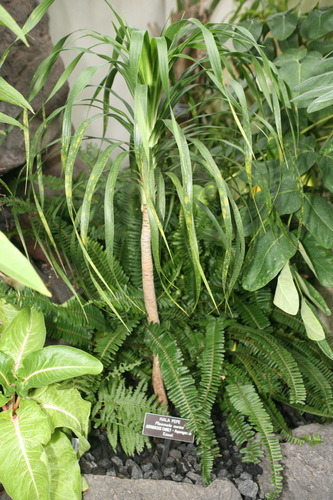
Dracaena trifasciata is a popular, hardy houseplant known for its stiff, sword-like leaves with striking yellow margins. It is widely appreciated for its air-purifying qualities and ability to thrive in various indoor conditions.
Potentially toxic for cats & dogs.
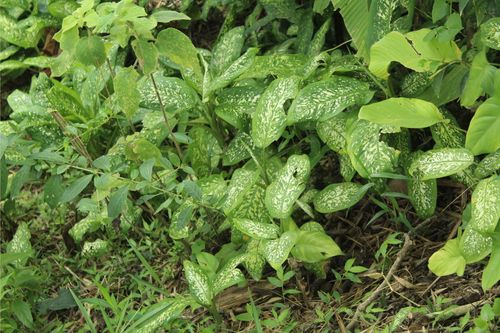
Dieffenbachia is a popular tropical houseplant known for its large, variegated leaves. It contains insoluble calcium oxalate crystals that can cause irritation if ingested or chewed.
Potentially toxic for cats & dogs.