Dogs
Potentially toxicConsulted references classify the plant as toxic or irritating for that pet type.
Verified against ASPCA/provenance audit 2026-05-06 on May 6, 2026.
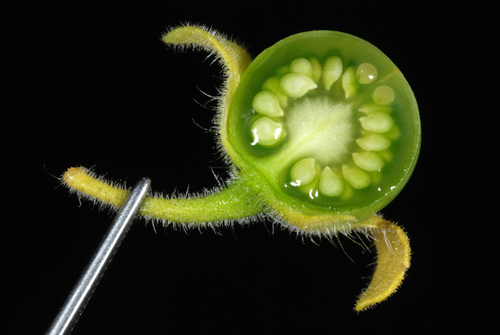
Solanum lycopersicum
The tomato plant is a popular garden vegetable that contains solanine, a glycoalkaloid found in its stems and leaves. While the fruit is generally consumed by humans, the green parts of the plant can cause adverse reactions if ingested by pets.
Safety status
Dogs
Potentially toxicConsulted references classify the plant as toxic or irritating for that pet type.
Verified against ASPCA/provenance audit 2026-05-06 on May 6, 2026.
Tomato plants are toxic to dogs because the green leaves, stems, vines, and unripe fruit contain solanine and tomatine. Pet Poison Helpline notes that solanine toxicity is uncommon in dogs and usually requires a sizeable ingestion of green plant material — ripe red tomatoes are safe — so a stolen cherry tomato is rarely cause for panic, but a chewed-up vine is.
Most dogs show mild GI signs: vomiting, diarrhea, drooling, and decreased appetite. Larger ingestions can cause weakness, tremors, loss of coordination, and changes in heart rate. Most cases stay in the mild range; persistent or escalating signs are the worry.
The cited sources do not pin down exact onset; mild GI signs typically appear within a few hours of ingestion, with most cases resolving within 24 hours. Larger exposures with neurological signs may take longer.
Call your vet if vomiting or diarrhea continues for more than a few hours, if your dog seems weak or unsteady on its feet, or if you see any tremors or fast/slow heart rate. For a small dog that ate a lot of greens or stems, call now rather than waiting for symptoms. Pet Poison Helpline: (855) 764-7661; ASPCA Poison Control: (888) 426-4435.
Sources: ASPCA, Pet Poison Helpline (no first-aid guidance).
If a pet has chewed or swallowed plant material and is showing symptoms, contact a veterinarian or poison resource immediately. This product is for structured reference, not diagnosis.
Dogs — concern notes
Common signs
Vomiting, diarrhea, abdominal pain, drowsiness, and in severe cases, changes in heart rate or coordination.
Escalation note
The foliage and stems contain solanine which is toxic to dogs; consult a veterinarian immediately if ingestion occurs.
Safer alternatives
No hand-picked alternatives for this plant yet. You can still pick your own using the Compare button on any other plant.
The tomato plant is potentially toxic to dogs. The fruit itself is generally low-risk, but the stems and leaves contain solanine, a glycoalkaloid that can cause adverse reactions if ingested.
Most dogs show mild GI signs: vomiting, diarrhea, drooling, and decreased appetite. Larger ingestions can cause weakness, tremors, loss of coordination, and changes in heart rate. Mild GI signs typically appear within a few hours and most cases resolve within 24 hours, but persistent or escalating signs warrant immediate veterinary attention.
Monitor closely for vomiting, diarrhea, weakness, or unsteadiness. If your dog is small and ate a significant amount of greens or stems, call your vet now rather than waiting for symptoms. If vomiting or diarrhea continues for more than a few hours, or if you see tremors or heart rate changes, seek veterinary care immediately. You can also call ASPCA Animal Poison Control at (888) 426-4435.
The foliage and stems are the dangerous parts — they contain solanine, the toxic glycoalkaloid. The ripe red fruit poses much lower risk, though it is still not something to encourage your dog to eat in quantity.
Same dog verdict
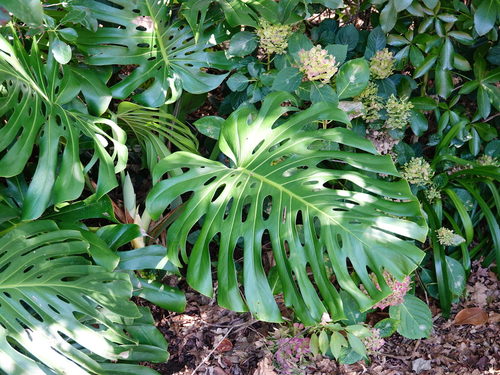
Monstera deliciosa is a popular tropical houseplant known for its large, fenestrated leaves and vining growth habit. It contains insoluble calcium oxalate crystals that can cause irritation if ingested by pets.
Potentially toxic for cats & dogs.
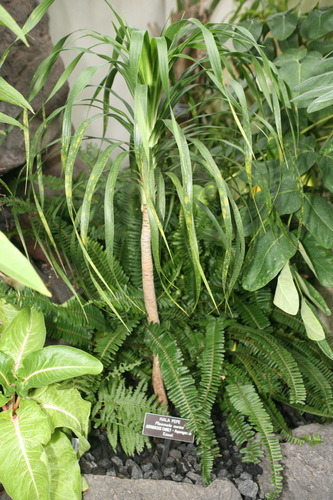
Dracaena trifasciata is a popular, hardy houseplant known for its stiff, sword-like leaves with striking yellow margins. It is widely appreciated for its air-purifying qualities and ability to thrive in various indoor conditions.
Potentially toxic for cats & dogs.
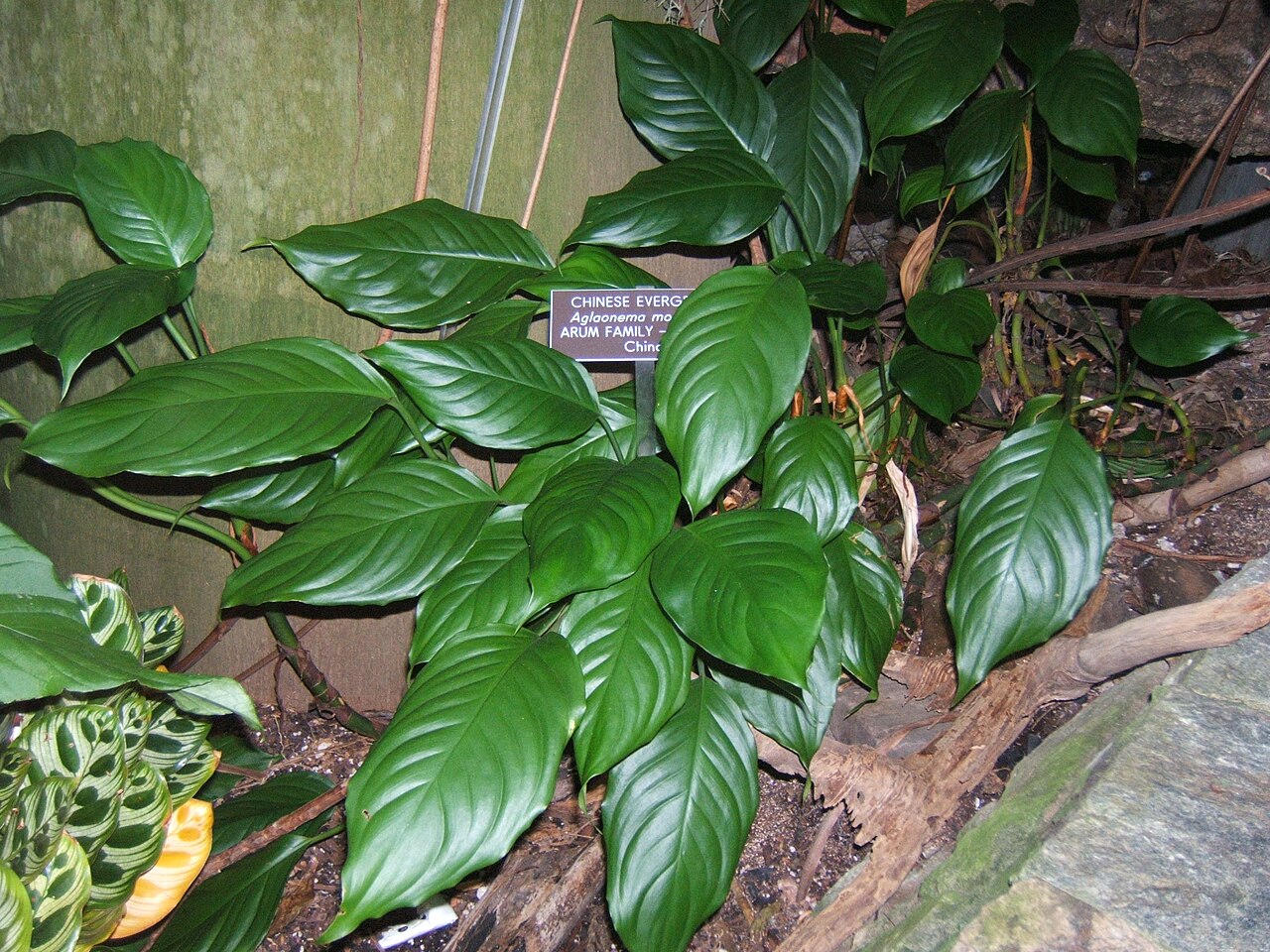
Chinese Evergreen is a popular indoor foliage plant known for its patterned leaves and tolerance of low light conditions. It contains insoluble calcium oxalate crystals that can cause irritation if ingested or chewed.
Potentially toxic for cats & dogs.
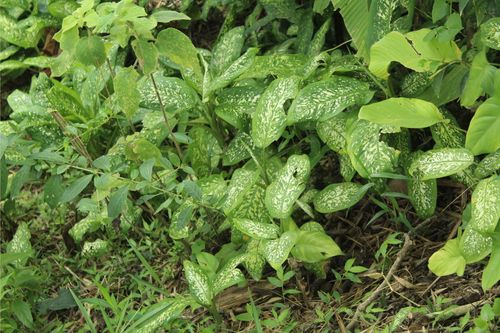
Dieffenbachia is a popular tropical houseplant known for its large, variegated leaves. It contains insoluble calcium oxalate crystals that can cause irritation if ingested or chewed.
Potentially toxic for cats & dogs.