Cats
Potentially toxicConsulted references classify the plant as toxic or irritating for that pet type.
Verified against ASPCA/provenance audit 2026-05-06 on May 6, 2026.
Sources
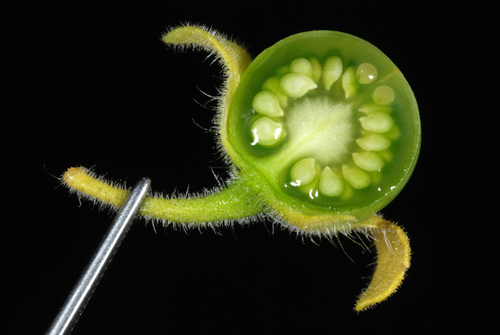
Solanum lycopersicum
The tomato plant is a popular garden vegetable that contains solanine, a glycoalkaloid found in its stems and leaves. While the fruit is generally consumed by humans, the green parts of the plant can cause adverse reactions if ingested by pets.
Safety status
Cats
Potentially toxicConsulted references classify the plant as toxic or irritating for that pet type.
Verified against ASPCA/provenance audit 2026-05-06 on May 6, 2026.
Sources
The leaves, stems, and unripe green fruit of the tomato plant are toxic to cats — they contain solanine and tomatine, glycoalkaloids that irritate the gut and, in larger doses, affect the heart and nervous system. Ripe red tomatoes are non-toxic; the green plant material is the problem.
Most cats show hypersalivation, vomiting, diarrhea, and refusal of food. Larger ingestions can also cause weakness, depression, dilated pupils, and a slow heart rate. Severe nervous-system or cardiac signs are uncommon and indicate a sizeable exposure.
Onset is not precisely documented in the cited ASPCA entry. For solanine-class plant ingestions, GI signs typically appear within a few hours, and most mild cases resolve within 24 hours with supportive care.
Call right away if your cat ate any leaves, stems, or green tomatoes — cats are smaller and more sensitive than dogs, so even mild signs warrant a check-in. Call urgently for any neurological signs (weakness, confusion, dilated pupils) or a slow or irregular heartbeat. ASPCA Poison Control: (888) 426-4435.
Sources: ASPCA, NC State Extension (no first-aid guidance).
If a pet has chewed or swallowed plant material and is showing symptoms, contact a veterinarian or poison resource immediately. This product is for structured reference, not diagnosis.
Cats — concern notes
Common signs
Hypersalivation, gastrointestinal upset, diarrhea, vomiting, and potential lethargy.
Escalation note
Ingestion of the green parts of the plant can lead to clinical signs; please contact your veterinarian if you suspect your cat has consumed any portion of the plant.
Safer alternatives
No hand-picked alternatives for this plant yet. You can still pick your own using the Compare button on any other plant.
ASPCA Toxic Plant List
toxicology · 99% reliability
The tomato plant contains solanine, which can cause gastrointestinal distress in cats and dogs.
NC State Extension Gardener Plant Toolbox
botanical · 94% reliability
Solanum lycopersicum is a member of the Solanaceae family and contains toxic alkaloids in its foliage.
Yes, tomato plants (Solanum lycopersicum) are potentially toxic to cats. The green parts — leaves, stems, and unripe green tomatoes — contain solanine, a glycoalkaloid that can cause adverse reactions. Ripe tomato fruit is far less of a concern, but the plant itself should be kept out of reach.
The most common signs are hypersalivation, vomiting, diarrhea, and lethargy. Larger ingestions can also cause weakness, depression, dilated pupils, and a slow or irregular heart rate. GI signs typically appear within a few hours of ingestion.
Call your veterinarian right away, even if your cat seems fine — cats are small and more sensitive than dogs, so even mild symptoms warrant a check-in. For neurological signs like weakness, confusion, or dilated pupils, treat it as urgent. You can also reach the ASPCA Animal Poison Control Center at (888) 426-4435.
The leaves and stems carry the highest concentration of solanine and pose the greatest risk. Green, unripe tomatoes also contain meaningful levels. Ripe red fruit has very low solanine content, but any green part of the plant — including the calyx attached to a ripe tomato — should be treated as a hazard.
Same cat verdict
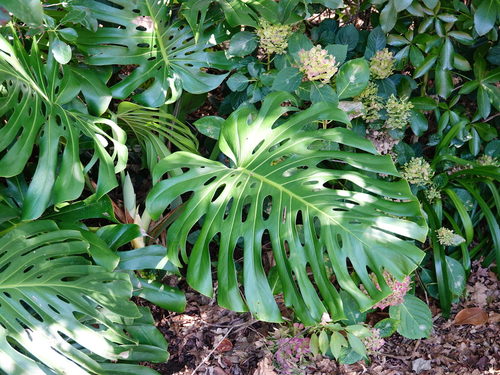
Monstera deliciosa is a popular tropical houseplant known for its large, fenestrated leaves and vining growth habit. It contains insoluble calcium oxalate crystals that can cause irritation if ingested by pets.
Potentially toxic for cats & dogs.
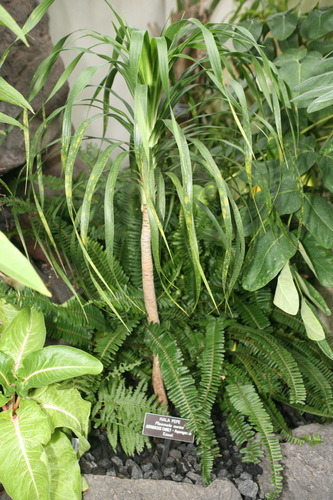
Dracaena trifasciata is a popular, hardy houseplant known for its stiff, sword-like leaves with striking yellow margins. It is widely appreciated for its air-purifying qualities and ability to thrive in various indoor conditions.
Potentially toxic for cats & dogs.
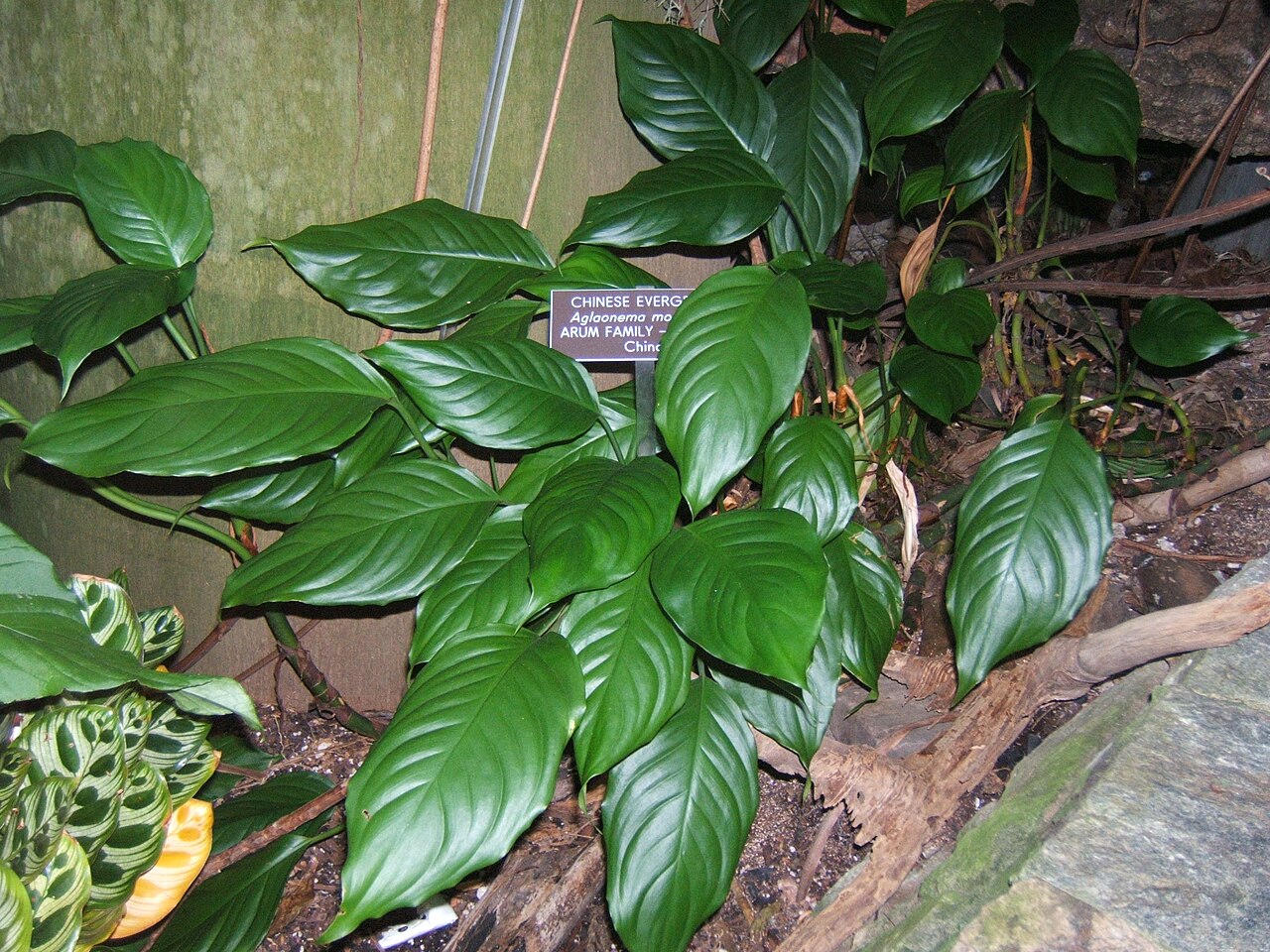
Chinese Evergreen is a popular indoor foliage plant known for its patterned leaves and tolerance of low light conditions. It contains insoluble calcium oxalate crystals that can cause irritation if ingested or chewed.
Potentially toxic for cats & dogs.
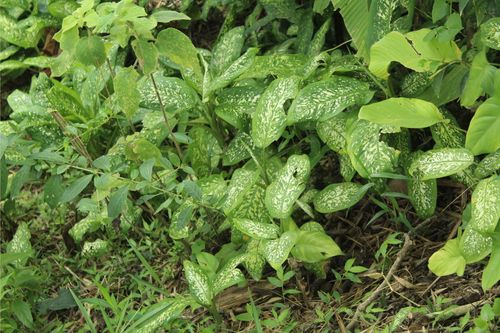
Dieffenbachia is a popular tropical houseplant known for its large, variegated leaves. It contains insoluble calcium oxalate crystals that can cause irritation if ingested or chewed.
Potentially toxic for cats & dogs.