
Compare

Pothos vs. Satin Pothos: which is safe for cats and dogs?

Pothos and Satin Pothos are frequently compared because they both belong to the same Pothos ambiguity group, leading many shoppers to use the names interchangeably. Despite their visual differences, both plants are potentially toxic to cats and dogs. Each contains insoluble calcium oxalate crystals, which cause immediate mechanical irritation upon ingestion. While the severity of the reaction is generally similar for both plants, it is important to understand that neither is considered safe for households with curious pets. If you suspect your cat or dog has consumed any part of these vining plants, you should consult your veterinarian or a pet poison control center immediately for further guidance.

Pothos

Epipremnum aureum

Devil's Ivy is a popular trailing houseplant known for its heart-shaped leaves and ease of care. It contains insoluble calcium oxalate crystals that can cause irritation if ingested by pets.

cat

Potentially toxic

Consulted references classify the plant as toxic or irritating for that pet type.

Watch for

Oral irritation, intense burning and irritation of mouth, tongue and lips, excessive drooling, vomiting, and difficulty swallowing.

dog

Potentially toxic

Consulted references classify the plant as toxic or irritating for that pet type.

Watch for

Oral irritation, intense burning and irritation of mouth, tongue and lips, excessive drooling, vomiting, and difficulty swallowing.

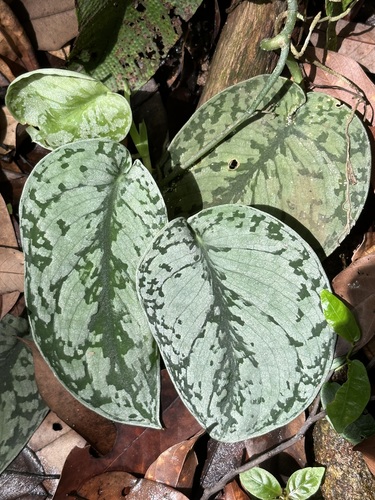
Satin Pothos

Scindapsus pictus

Satin Pothos is a popular vining houseplant known for its heart-shaped, silver-variegated leaves. It contains insoluble calcium oxalate crystals that can cause irritation if ingested.

cat

Potentially toxic

Consulted references classify the plant as toxic or irritating for that pet type.

Watch for

Oral irritation, intense burning and irritation of mouth, tongue and lips, excessive drooling, vomiting, and difficulty swallowing.

dog

Potentially toxic

Consulted references classify the plant as toxic or irritating for that pet type.

Watch for

Oral irritation, intense burning and irritation of mouth, tongue and lips, excessive drooling, vomiting, and difficulty swallowing.

Safer alternatives

Some links earn us a small commission. They never affect our safety classifications.