Dogs
Potentially toxicConsulted references classify the plant as toxic or irritating for that pet type.
Verified against ASPCA/provenance audit 2026-05-06 on May 6, 2026.
Sources
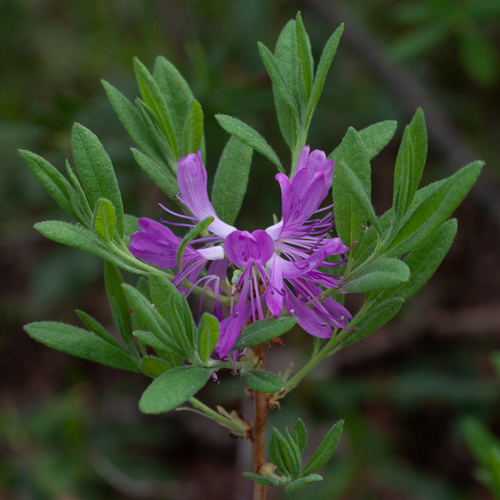
Rhododendron spp
Azaleas are flowering shrubs in the Rhododendron genus that contain grayanotoxins, which can cause significant illness if ingested by pets. These plants are highly toxic and require immediate veterinary attention if consumption is suspected.
Safety status
Dogs
Potentially toxicConsulted references classify the plant as toxic or irritating for that pet type.
Verified against ASPCA/provenance audit 2026-05-06 on May 6, 2026.
Sources
Dogs — azaleas and rhododendrons are toxic, and the dose that makes a dog sick is small. Grayanotoxins in the leaves and flowers disrupt heart and skeletal muscle sodium channels; ASPCA-cited dose data put the threshold at roughly 0.2% of body weight, so a 30-lb dog can show signs after eating less than an ounce of plant material.
Excessive drooling and vomiting almost always come first, often with diarrhea and loss of appetite. Watch for weakness, wobbling, or tremors, and for cardiac signs — slow or irregular heart rate, pale gums, or labored breathing. Severe cases progress to seizures, hypotension, and cardiovascular collapse.
Signs usually appear within a few hours of ingestion. With aggressive supportive care most dogs recover over 24–72 hours; severe cardiac cases can take longer and, untreated, can be fatal.
Call your vet or ASPCA Animal Poison Control (888-426-4435) immediately if you saw chewing, even before symptoms appear — grayanotoxin poisoning is dose-dependent and earlier treatment matters. Also call right away for any vomiting that won't stop, weakness or collapse, or change in heart rate or breathing.
Remove any plant material still in the dog's mouth and bag a sample of leaves or flowers to bring with you. Do not give hydrogen peroxide or anything else to induce vomiting unless your vet or ASPCA APCC tells you to — call first.
Sources: ASPCA, Pet Poison Helpline.
If a pet has chewed or swallowed plant material and is showing symptoms, contact a veterinarian or poison resource immediately. This product is for structured reference, not diagnosis.
Dogs — concern notes
Common signs
Vomiting, diarrhea, excessive drooling, loss of appetite, weakness, and in severe cases, cardiovascular collapse or seizures.
Escalation note
This plant is considered highly toxic to dogs. Seek emergency veterinary care immediately if your dog has chewed or swallowed any part of the plant.
Safer alternatives
Some links earn us a small commission. They never affect our safety classifications.
ASPCA Toxic Plant List
toxicology · 99% reliability
Azalea contains grayanotoxins which can cause vomiting, diarrhea, hypersalivation, weakness, and cardiac failure.
NC State Extension Plant Toolbox
botanical · 94% reliability
Rhododendron species are highly toxic to humans and animals if ingested.
Yes, azaleas are highly toxic to dogs. All parts of the plant contain grayanotoxins, and even small amounts can cause serious illness. Seek emergency veterinary care immediately if your dog has chewed or swallowed any part of the plant.
The first signs are usually excessive drooling, vomiting, and diarrhea, often with loss of appetite. As poisoning progresses, watch for weakness, wobbling, tremors, and cardiac signs — slow or irregular heart rate, pale gums, or labored breathing. Severe cases can progress to seizures and cardiovascular collapse. Symptoms typically appear within a few hours of ingestion.
Remove any plant material still in your dog's mouth and bag a sample of leaves or flowers to bring to the vet. Do not give hydrogen peroxide or anything else to induce vomiting unless directed by a professional — call your vet or the ASPCA Animal Poison Control Center at (888) 426-4435 first. Don't wait for symptoms to appear; earlier treatment matters with grayanotoxin poisoning.
Azalea poisoning is considered a veterinary emergency. With aggressive supportive care, most dogs recover within 24–72 hours; severe cardiac cases can take longer. Left untreated, however, azalea ingestion can be fatal, so prompt veterinary attention is critical.
Same dog verdict
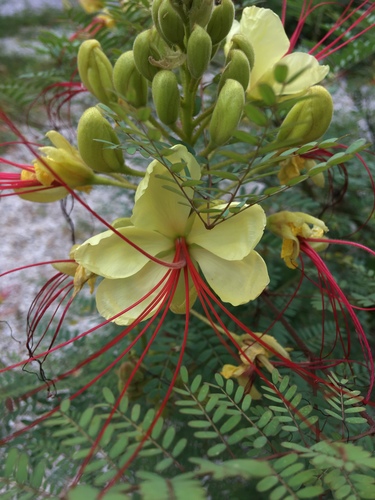
Barbados Pride is a flowering shrub known for its striking yellow flowers and long red stamens. It contains compounds that can cause gastrointestinal distress if ingested by pets.
Potentially toxic for cats & dogs.
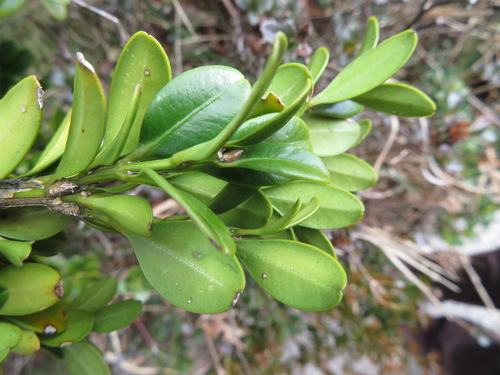
Boxwood is a popular evergreen shrub often used for hedging and topiary, containing steroidal alkaloids that can cause gastrointestinal distress if ingested. It is considered toxic to both cats and dogs.
Potentially toxic for cats & dogs.
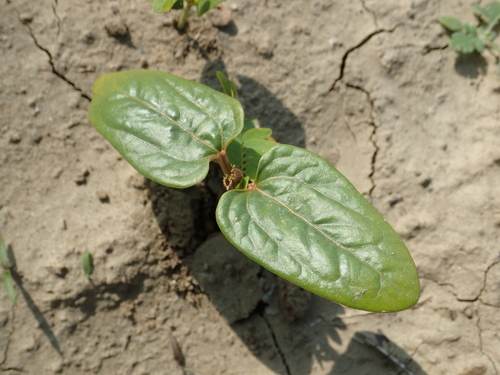
The African Wonder Tree is a fast-growing ornamental shrub known for its large, palm-like leaves and unique seed pods. It contains ricin, a highly potent toxin found throughout the plant, with the highest concentration in the seeds.
Potentially toxic for cats & dogs.
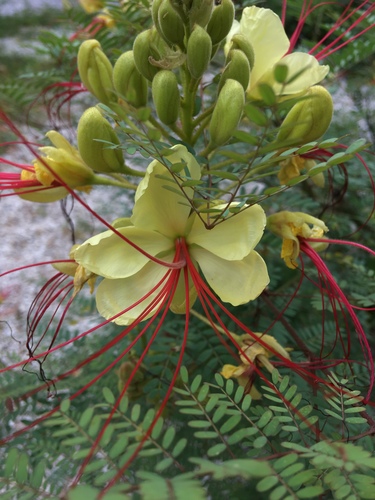
Caesalpinia gilliesii, often called the Bird of Paradise shrub, is a flowering plant known for its striking yellow and red blooms. It contains compounds that can cause gastrointestinal distress if ingested by pets.
Potentially toxic for cats & dogs.