Cats
Potentially toxicConsulted references classify the plant as toxic or irritating for that pet type.
Verified against ASPCA/provenance audit 2026-05-06 on May 6, 2026.
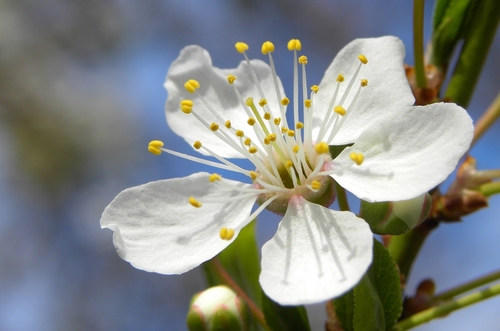
Prunus spp.
Cherry trees and shrubs contain cyanogenic glycosides in their stems, leaves, and pits, which can release cyanide when ingested. These plants are considered toxic to pets and should be kept out of reach.
Safety status
Cats
Potentially toxicConsulted references classify the plant as toxic or irritating for that pet type.
Verified against ASPCA/provenance audit 2026-05-06 on May 6, 2026.
Cherry stems, leaves, and chewed pits release cyanide, and ASPCA lists the plant as toxic to cats. Whole pits swallowed without chewing are unlikely to cause cyanide poisoning, but they can still obstruct the GI tract — and any chewed plant material in a cat is a call-the-vet event.
Bright (brick) red gums, dilated pupils, rapid or labored breathing, panting, weakness, and collapse. Less specific early signs: drooling, vomiting, or refusal to move. Whole-pit ingestions can also cause vomiting and abdominal pain from obstruction.
Cyanide signs can appear within 15–30 minutes of chewing wilting leaves or pits. Whole-pit obstruction symptoms may develop more slowly, over hours to a day.
Call immediately. If your cat chewed any part of the plant or you suspect a chewed pit, contact your vet and Pet Poison Helpline (855-764-7661) right away and head to the clinic — cyanide poisoning is a true emergency.
Do not induce vomiting unless a veterinarian or poison-control clinician tells you to. Remove any remaining plant material from the cat's mouth, then call Pet Poison Helpline (855-764-7661) or ASPCA Animal Poison Control (888-426-4435) and take your cat to the clinic for evaluation.
Sources: ASPCA, Pet Poison Helpline.
If a pet has chewed or swallowed plant material and is showing symptoms, contact a veterinarian or poison resource immediately. This product is for structured reference, not diagnosis.
Cats — concern notes
Common signs
Dilated pupils, difficulty breathing, bright red gums, shock, and potential collapse.
Escalation note
Ingestion of plant parts containing cyanide can lead to severe systemic toxicity. Contact your veterinarian immediately if you suspect your cat has chewed on or ingested any part of a cherry plant.
Safer alternatives
No hand-picked alternatives for this plant yet. You can still pick your own using the Compare button on any other plant.
Yes, cherry plants (Prunus spp.) are toxic to cats. The stems, leaves, and pits contain cyanogenic glycosides that release cyanide when chewed or ingested, making them a serious hazard.
Signs of cyanide toxicity include bright red (brick-colored) gums, dilated pupils, rapid or labored breathing, weakness, and collapse. Early signs may include drooling, vomiting, or refusal to move. If a pit was swallowed whole, vomiting and abdominal pain from obstruction are also possible.
Cyanide signs can appear within 15–30 minutes of a cat chewing wilting leaves or pits. Symptoms from a whole swallowed pit — such as vomiting and abdominal pain from obstruction — may develop more slowly, over hours to a day.
Do not induce vomiting unless directed by a clinician. Remove any remaining plant material from your cat's mouth, then call ASPCA Animal Poison Control (888-426-4435) or Pet Poison Helpline (855-764-7661) immediately and take your cat to a clinic — cyanide poisoning is a true emergency.
Same cat verdict
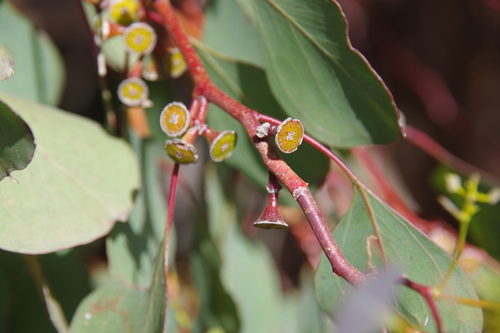
Eucalyptus is a diverse genus of evergreen trees and shrubs known for their aromatic, oil-rich foliage. While popular in floral arrangements and essential oils, the plant contains compounds that can be harmful if ingested by pets.
Potentially toxic for cats & dogs.
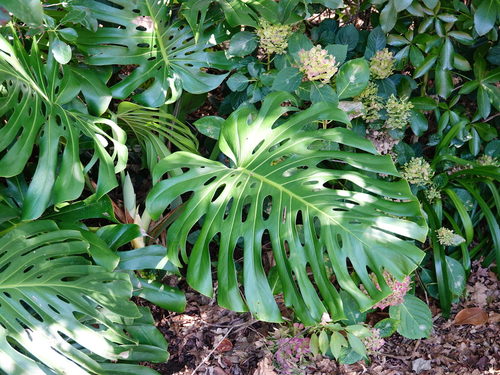
Monstera deliciosa is a popular tropical houseplant known for its large, fenestrated leaves and vining growth habit. It contains insoluble calcium oxalate crystals that can cause irritation if ingested by pets.
Potentially toxic for cats & dogs.
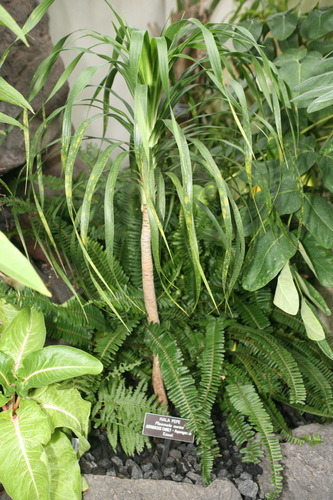
Dracaena trifasciata is a popular, hardy houseplant known for its stiff, sword-like leaves with striking yellow margins. It is widely appreciated for its air-purifying qualities and ability to thrive in various indoor conditions.
Potentially toxic for cats & dogs.