Dogs
Potentially toxicConsulted references classify the plant as toxic or irritating for that pet type.
Verified against ASPCA/provenance audit 2026-05-06 on May 6, 2026.
Sources
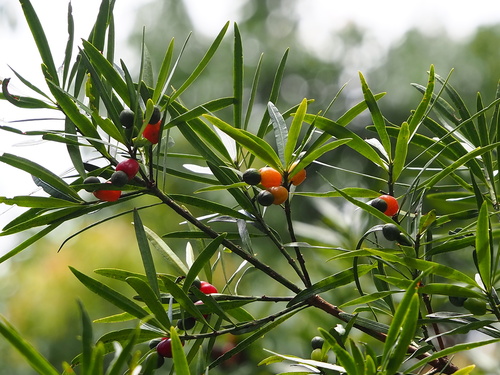
Podocarpus macrophyllus
The Buddhist Pine is a slow-growing evergreen conifer often used as an ornamental shrub or bonsai specimen. While popular for its needle-like foliage, it contains compounds that can cause gastrointestinal distress if ingested by pets.
Safety status
Dogs
Potentially toxicConsulted references classify the plant as toxic or irritating for that pet type.
Verified against ASPCA/provenance audit 2026-05-06 on May 6, 2026.
Sources
Dogs that nibble Buddhist Pine usually end up with an upset gut rather than a life-threatening crisis, but the plant is on the ASPCA's toxic list and the active compound is still officially "unknown." The cones carry the highest concentration of whatever's irritating, so a dog that's been chewing the seed-bearing parts is the most worrying scenario. Most cases involve vomiting and diarrhea that resolve with supportive care.
Most common: vomiting and diarrhea, sometimes with drooling. With larger ingestions Pet Poison Helpline notes risk of dehydration from repeated vomiting and diarrhea, and rarer reports include enlarged pupils, tremors, or seizures. Watch for lethargy, reluctance to drink, or sunken eyes — those point to dehydration starting to set in.
Onset and duration aren't well documented for Buddhist Pine specifically. GI signs from similar plant ingestions usually start within a few hours and resolve over 24–48 hours with fluids and rest; severe or persistent vomiting beyond that warrants a vet visit.
Call your vet or the ASPCA Poison Control hotline (888-426-4435) any time you see vomiting, diarrhea, or drooling after Buddhist Pine exposure — especially if the dog ate cones, if vomiting happens more than once, or if there are any neurological signs (tremors, dilated pupils, weakness). For a small dog or any large ingestion, call right away rather than waiting.
Remove any plant material still in your dog's mouth and bring a piece of the plant (or a clear photo) with you so the vet can confirm the species. Offer fresh water, but do not induce vomiting unless your vet or the poison control line specifically tells you to. Then call ASPCA Poison Control or Pet Poison Helpline before driving in, so they can advise on whether home monitoring is appropriate or you should be seen.
Sources: ASPCA, Pet Poison Helpline.
If a pet has chewed or swallowed plant material and is showing symptoms, contact a veterinarian or poison resource immediately. This product is for structured reference, not diagnosis.
Dogs — concern notes
Common signs
Vomiting, diarrhea, abdominal pain, and drooling.
Escalation note
While usually not life-threatening in small amounts, ingestion can cause significant digestive discomfort. Always consult a veterinarian if your dog shows signs of illness after exposure.
Safer alternatives
No hand-picked alternatives for this plant yet. You can still pick your own using the Compare button on any other plant.
ASPCA Toxic Plant List
toxicology · 99% reliability
The Buddhist Pine is listed as toxic to both cats and dogs by the ASPCA.
Kew Plants of the World Online
botanical · 95% reliability
Official botanical record for Podocarpus macrophyllus (Thunb.) Sweet.
Yes, Buddhist Pine (Podocarpus macrophyllus) is considered potentially toxic to dogs. Ingestion can cause gastrointestinal distress including vomiting, diarrhea, abdominal pain, and drooling. While small amounts are usually not life-threatening, any exposure warrants monitoring and a call to your vet.
The most common signs are vomiting, diarrhea, drooling, and abdominal pain. With larger ingestions, more serious effects such as enlarged pupils, tremors, or seizures have been reported. Watch also for lethargy, reluctance to drink, or sunken eyes, which can indicate dehydration setting in from repeated vomiting and diarrhea.
Remove any remaining plant material from your dog's mouth and save a piece of the plant or a clear photo for species confirmation. Offer fresh water but do not induce vomiting unless specifically directed to by a vet or poison control. Call the ASPCA Animal Poison Control Center at (888) 426-4435 right away — they can advise whether home monitoring is safe or a vet visit is needed.
Onset timing is not well documented specifically for Buddhist Pine, but GI signs from similar plant ingestions typically begin within a few hours of ingestion. Symptoms generally resolve over 24–48 hours with fluids and rest; if vomiting is severe, happens more than once, or persists beyond 48 hours, take your dog to a vet rather than continuing to wait it out. Small dogs or any large ingestion — especially of cones — warrant an immediate call rather than a watch-and-wait approach.
Same dog verdict
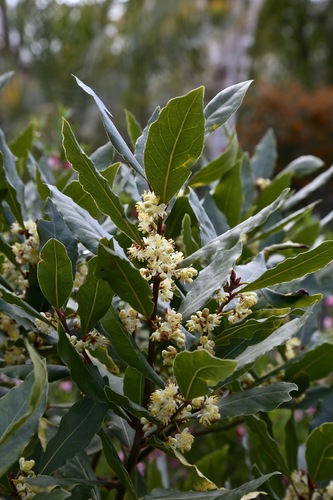
Bay Laurel is a popular culinary herb often grown as an ornamental shrub or tree. While prized for its aromatic leaves, it contains essential oils that can cause digestive distress if ingested by pets.
Potentially toxic for cats & dogs.

Monstera deliciosa is a popular tropical houseplant known for its large, fenestrated leaves and vining growth habit. It contains insoluble calcium oxalate crystals that can cause irritation if ingested by pets.
Potentially toxic for cats & dogs.

Dracaena trifasciata is a popular, hardy houseplant known for its stiff, sword-like leaves with striking yellow margins. It is widely appreciated for its air-purifying qualities and ability to thrive in various indoor conditions.
Potentially toxic for cats & dogs.
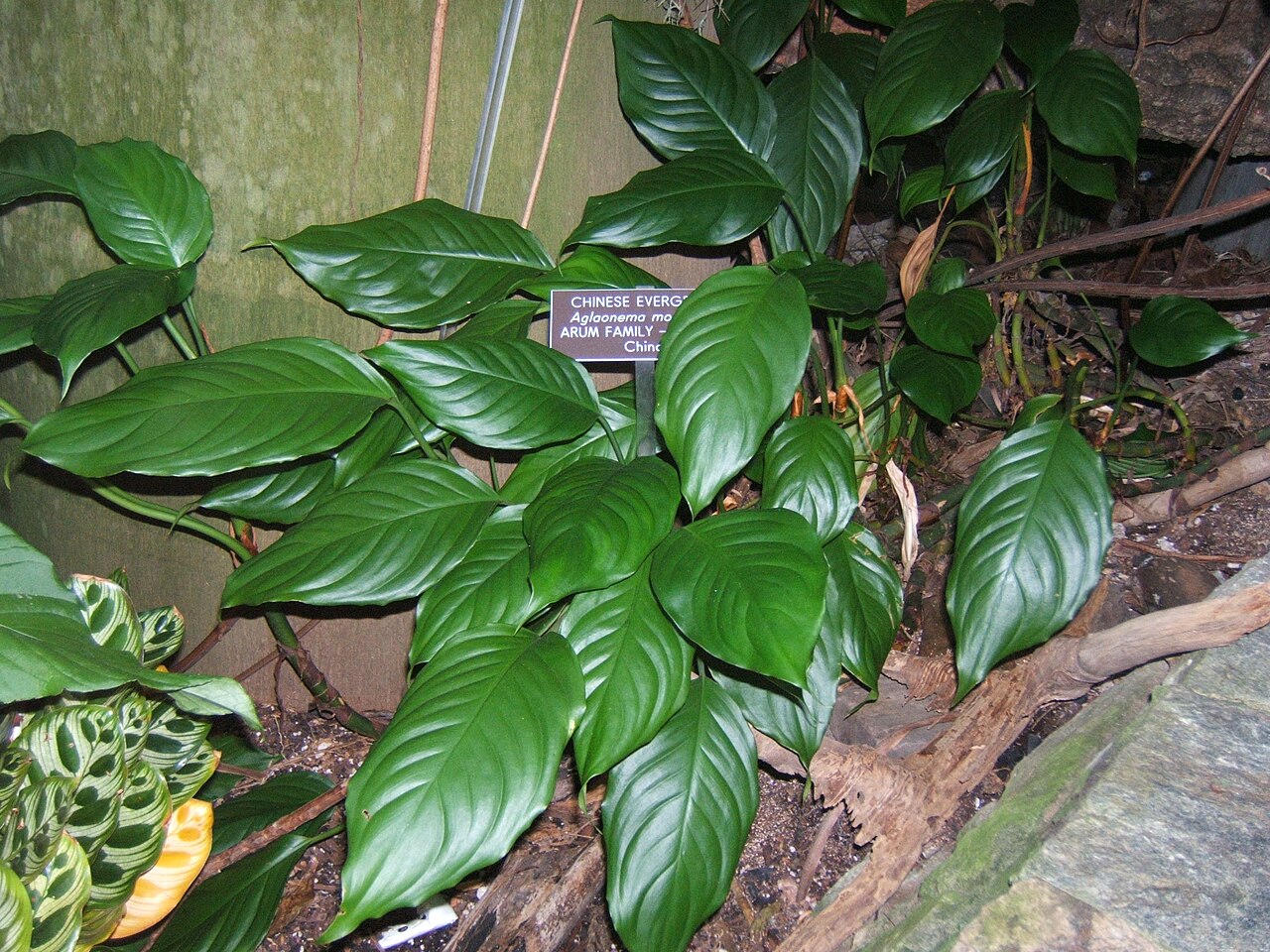
Chinese Evergreen is a popular indoor foliage plant known for its patterned leaves and tolerance of low light conditions. It contains insoluble calcium oxalate crystals that can cause irritation if ingested or chewed.
Potentially toxic for cats & dogs.