Cats
Potentially toxicConsulted references classify the plant as toxic or irritating for that pet type.
Verified against ASPCA/provenance audit 2026-05-06 on May 6, 2026.
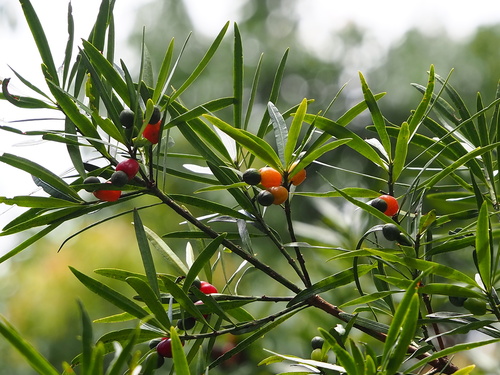
Podocarpus macrophyllus
The Buddhist Pine is a slow-growing evergreen conifer often used as an ornamental shrub or bonsai specimen. While popular for its needle-like foliage, it contains compounds that can cause gastrointestinal distress if ingested by pets.
Safety status
Cats
Potentially toxicConsulted references classify the plant as toxic or irritating for that pet type.
Verified against ASPCA/provenance audit 2026-05-06 on May 6, 2026.
Cats that chew Buddhist Pine (also sold as Yew Pine or Japanese Yew Plum Pine) can develop severe vomiting and diarrhea. The toxic principle is unknown, but ASPCA and Pet Poison Helpline both classify the plant as toxic to cats and specifically warn about the fruits and leaves.
Severe vomiting and diarrhea are the only clinical signs documented by ASPCA and Pet Poison Helpline. Watch for repeated bouts that risk dehydration in a cat - sunken eyes, tacky gums, lethargy.
ASPCA and Pet Poison Helpline do not publish onset or recovery windows for Buddhist Pine; treat ingestion as warranting same-day veterinary attention.
Call your vet or Pet Poison Helpline (855-764-7661) the same day your cat chews Buddhist Pine. Go in immediately if vomiting and diarrhea are repeated, the cat refuses water, or you see signs of dehydration.
Remove any remaining plant material from your cat's mouth and surrounding area and call a vet or Pet Poison Helpline (855-764-7661) before giving food, water, or anything else by mouth. Do not confuse Buddhist Pine with the much more dangerous Japanese yew (Taxus) - both ASPCA and Pet Poison Helpline flag this distinction explicitly.
Sources: ASPCA, Pet Poison Helpline.
If a pet has chewed or swallowed plant material and is showing symptoms, contact a veterinarian or poison resource immediately. This product is for structured reference, not diagnosis.
Cats — concern notes
Common signs
Vomiting, diarrhea, lethargy, and potential loss of appetite.
Escalation note
Ingestion typically results in mild to moderate gastrointestinal upset. Please contact your veterinarian or a pet poison control center if you suspect your cat has consumed any part of this plant.
Safer alternatives
No hand-picked alternatives for this plant yet. You can still pick your own using the Compare button on any other plant.
Yes, Buddhist Pine (Podocarpus macrophyllus) is considered potentially toxic to cats. Ingestion can cause mild to moderate gastrointestinal upset, including vomiting, diarrhea, lethargy, and loss of appetite.
The documented symptoms are vomiting, diarrhea, lethargy, and potential loss of appetite. Watch especially for repeated bouts of vomiting and diarrhea, which can lead to dehydration — signs include sunken eyes, tacky gums, and increased lethargy.
Remove any remaining plant material from your cat's mouth and the surrounding area, then call your vet or the ASPCA Animal Poison Control Center at (888) 426-4435 the same day — do not wait to see if symptoms develop. Go to an emergency vet immediately if vomiting or diarrhea are repeated or your cat refuses water. Do not give food, water, or anything else by mouth before speaking with a professional.
No — Buddhist Pine typically causes mild to moderate GI upset, while Japanese yew (Taxus species) is severely toxic and can be rapidly fatal. Both plants have needle-like foliage and are sometimes confused, so confirm the plant's identity before assessing risk; if you're unsure which plant your cat ingested, treat it as an emergency and call (888) 426-4435 immediately.
Same cat verdict
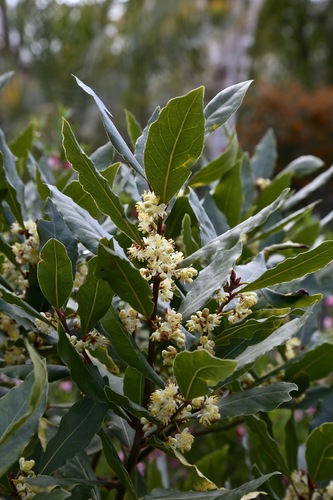
Bay Laurel is a popular culinary herb often grown as an ornamental shrub or tree. While prized for its aromatic leaves, it contains essential oils that can cause digestive distress if ingested by pets.
Potentially toxic for cats & dogs.
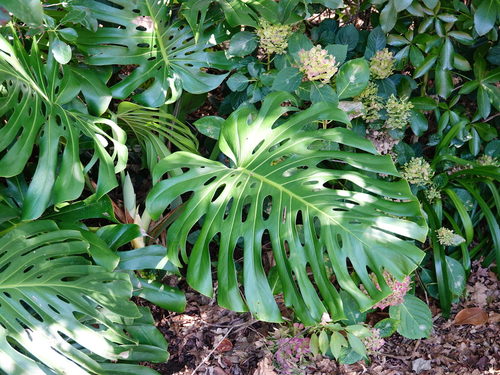
Monstera deliciosa is a popular tropical houseplant known for its large, fenestrated leaves and vining growth habit. It contains insoluble calcium oxalate crystals that can cause irritation if ingested by pets.
Potentially toxic for cats & dogs.
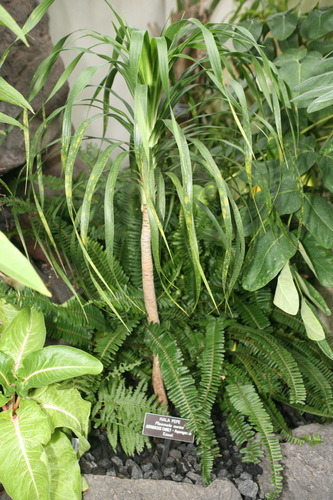
Dracaena trifasciata is a popular, hardy houseplant known for its stiff, sword-like leaves with striking yellow margins. It is widely appreciated for its air-purifying qualities and ability to thrive in various indoor conditions.
Potentially toxic for cats & dogs.
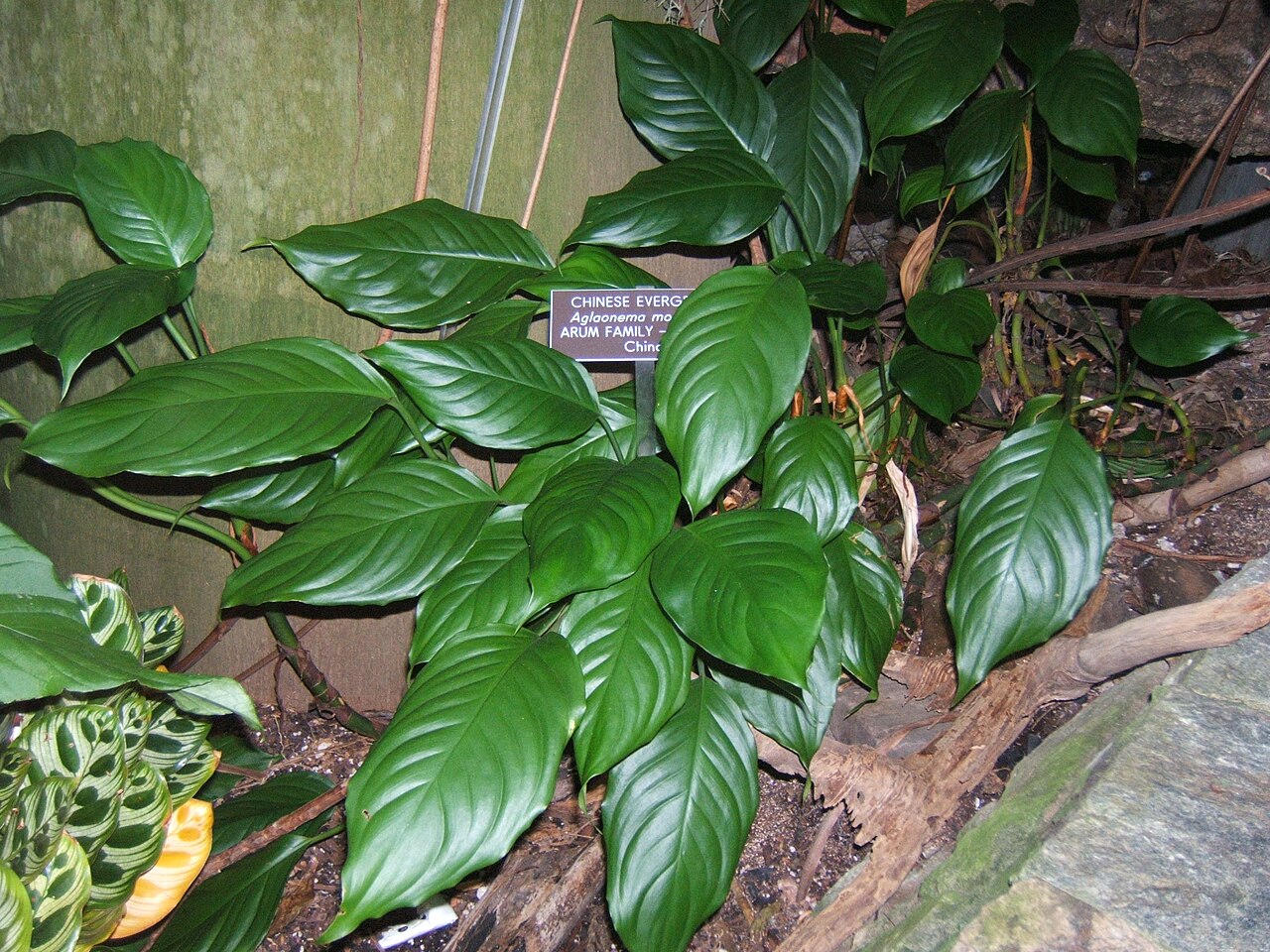
Chinese Evergreen is a popular indoor foliage plant known for its patterned leaves and tolerance of low light conditions. It contains insoluble calcium oxalate crystals that can cause irritation if ingested or chewed.
Potentially toxic for cats & dogs.