Cats & Dogs
Generally safeConsulted references do not classify the plant as toxic for that pet type, while still allowing for mild GI upset if large amounts are chewed.
Verified against ASPCA/provenance audit 2026-05-06 on May 6, 2026.
Sources
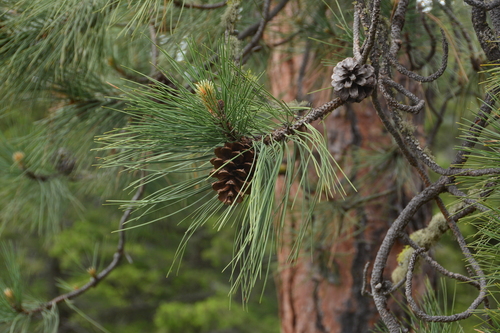
Pinus ponderosa
Pinus ponderosa is a large evergreen conifer known for its long needles and aromatic bark. While generally considered safe for pets, the fibrous nature of the needles can occasionally cause minor digestive irritation if consumed in large quantities.
Safety status
Cats & Dogs
Generally safeConsulted references do not classify the plant as toxic for that pet type, while still allowing for mild GI upset if large amounts are chewed.
Verified against ASPCA/provenance audit 2026-05-06 on May 6, 2026.
Sources
If a pet has chewed or swallowed plant material and is showing symptoms, contact a veterinarian or poison resource immediately. This product is for structured reference, not diagnosis.
Cats — concern notes
Common signs
Potential for mild vomiting or gastrointestinal upset if large amounts of fibrous needles are ingested.
Escalation note
The plant is considered non-toxic, but ingestion of plant material may cause physical irritation. Contact your veterinarian if symptoms persist.
Dogs — concern notes
Common signs
Potential for mild vomiting or gastrointestinal upset if large amounts of fibrous needles are ingested.
Escalation note
The plant is considered non-toxic, but ingestion of plant material may cause physical irritation. Contact your veterinarian if symptoms persist.
Bring it home
Ponderosa Pineis generally pet-safe in ordinary household exposure. If you’d like one for your space, here’s a starting point.
Shop on AmazonSome links earn us a small commission. They never affect our safety classifications.
ASPCA Toxic Plant List
veterinary · 99% reliability
Ponderosa Pine is listed as non-toxic to cats and dogs.
NC State Extension Plant Toolbox
botanical · 94% reliability
Pinus ponderosa is a large, long-lived evergreen tree native to western North America.
Ponderosa Pine (Pinus ponderosa) is considered non-toxic to cats. It is classified as generally safe, though non-toxic does not mean harmless — eating large amounts of the fibrous needles can cause mild gastrointestinal upset.
If a cat ingests a large quantity of the fibrous needles, it may experience mild vomiting or gastrointestinal irritation due to the physical nature of the plant material, not a chemical toxin. Small nibbles are unlikely to cause any reaction.
Monitor your cat for vomiting or signs of stomach discomfort. If symptoms appear or persist, contact your veterinarian. Because this plant is non-toxic, serious illness is not expected, but prolonged GI upset warrants a vet call.
The concern with Ponderosa Pine is the fibrous texture of the needles — physical irritation from ingesting coarse plant fibers is what can trigger mild GI upset. The bark and sap are aromatic but not documented as a chemical hazard for cats based on available data.
Ponderosa Pine (Pinus ponderosa) is considered non-toxic to dogs. It is generally safe, though that does not mean it is beneficial for them to eat — the needles are fibrous and not digestible.
If a dog ingests a large amount of Ponderosa Pine needles, the fibrous material can cause mild vomiting or gastrointestinal upset. Small amounts are unlikely to cause any reaction.
A small amount of chewing is not a cause for alarm since Ponderosa Pine is non-toxic to dogs. If your dog ate a large quantity of needles and is vomiting or seems uncomfortable, contact your veterinarian — symptoms from physical irritation should resolve quickly but warrant a call if they persist.
The long, fibrous needles are the most likely culprit for digestive irritation, as they are difficult for dogs to process. The bark is aromatic but no specific toxic principle has been documented for any part of this tree.
Same safety verdict
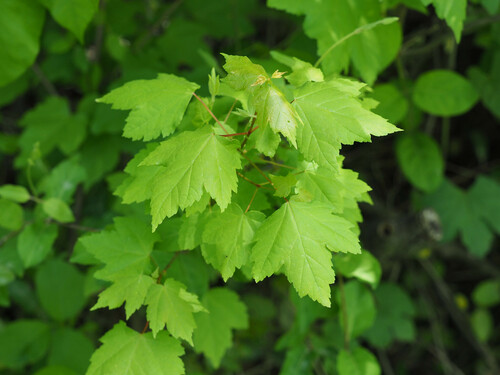
The Red Maple is a popular deciduous tree known for its vibrant fall foliage and rapid growth. While generally considered safe for pets, ingestion of large amounts of fibrous plant material may cause minor digestive discomfort.
Generally safe for cats & dogs.
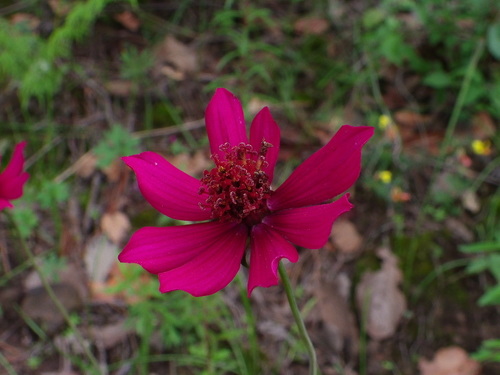
Garden cosmos is a daisy-like annual usually treated as a pet-safe flowering option, though any large plant ingestion can still cause mild stomach upset.
Generally safe for cats & dogs.
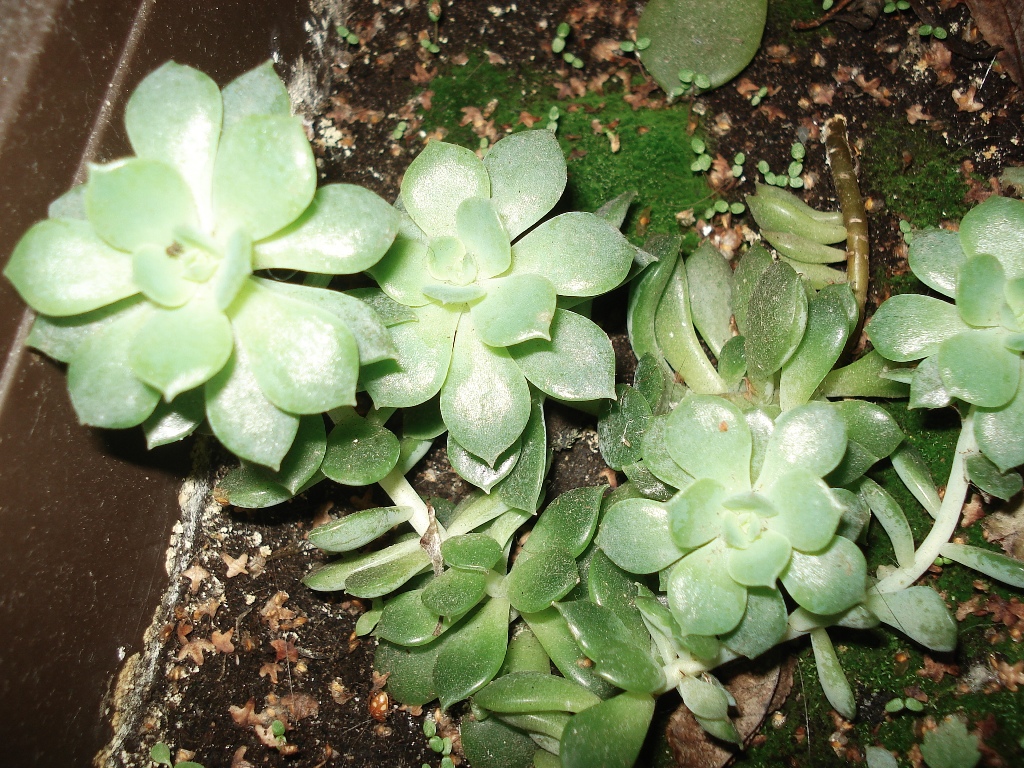
Echeveria is a popular, rosette-forming succulent known for its fleshy, architectural leaves and ease of care. It is considered non-toxic to pets, though ingestion of large amounts of fibrous plant material may cause minor digestive discomfort.
Generally safe for cats & dogs.
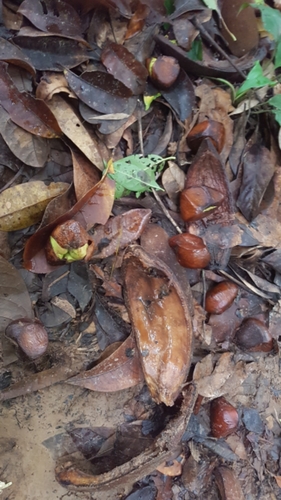
The Money Tree is a popular indoor plant known for its braided trunk and palm-like leaves, often associated with good luck and prosperity in home decor.
Generally safe for cats & dogs.
Same growing conditions
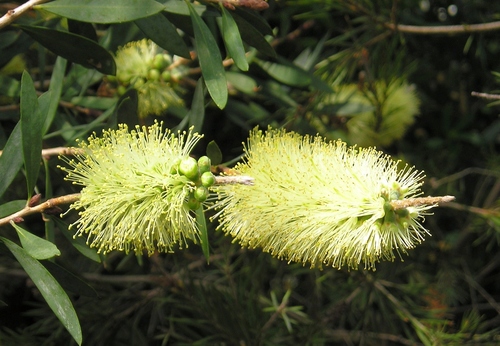
Bottlebrush is a popular ornamental shrub known for its unique, spike-like flowers that resemble traditional bottle-cleaning brushes. It is generally considered safe for household pets, though ingestion of large amounts of plant material may cause minor digestive discomfort.
Uncertain for cats.
Generally safe for dogs.
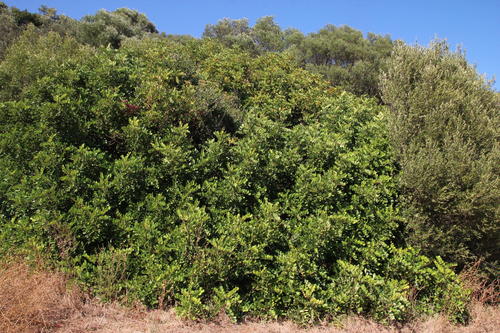
Carob is a Mediterranean evergreen tree known for its edible pods, which are commonly used as a chocolate substitute. It is considered safe for pets, though its fibrous nature may cause minor digestive discomfort if consumed in large quantities.
Generally safe for cats & dogs.
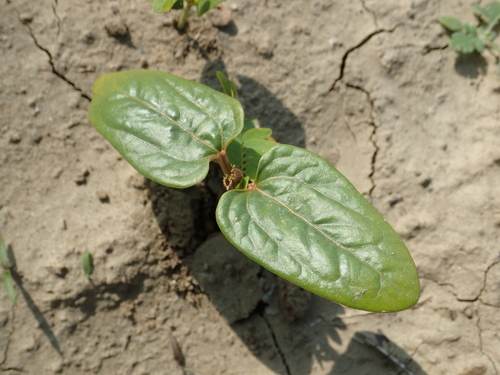
The African Wonder Tree is a fast-growing ornamental shrub known for its large, palm-like leaves and unique seed pods. It contains ricin, a highly potent toxin found throughout the plant, with the highest concentration in the seeds.
Potentially toxic for cats & dogs.

The Honey Locust is a large, deciduous tree known for its feathery foliage and long, flat seed pods. While it is considered non-toxic, the fibrous nature of the plant material may cause minor digestive discomfort if consumed in large quantities.
Generally safe for cats.
Not yet rated for dogs.