Compare

Shamrock Plant vs. Baby Doll Ti Plant: which is safe for cats and dogs?

Both the Shamrock Plant and the Baby Doll Ti Plant are frequently confused because they share the common-name alias Good Luck Plant, leading many pet owners to wonder about their safety in a home with animals. It is important to know that both of these popular houseplants are considered potentially toxic to cats and dogs. While the specific chemical compounds differ—with the Shamrock Plant containing soluble calcium oxalates and the Baby Doll Ti Plant containing saponins—both can cause significant gastrointestinal distress if ingested. Understanding these risks is essential for keeping your pets safe, so please review the specific symptoms and severity levels detailed below.

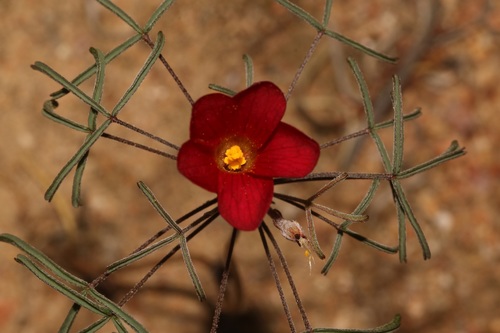
Shamrock Plant

Oxalis spp.

Oxalis species, often known as wood sorrel or shamrock plants, are popular indoor plants characterized by their clover-like foliage. They contain soluble calcium oxalates which can cause irritation if ingested by pets.

cat

Potentially toxic

Consulted references classify the plant as toxic or irritating for that pet type.

Watch for

Drooling, vomiting, decreased appetite, and oral irritation.

dog

Potentially toxic

Consulted references classify the plant as toxic or irritating for that pet type.

Watch for

Drooling, vomiting, and difficulty swallowing.
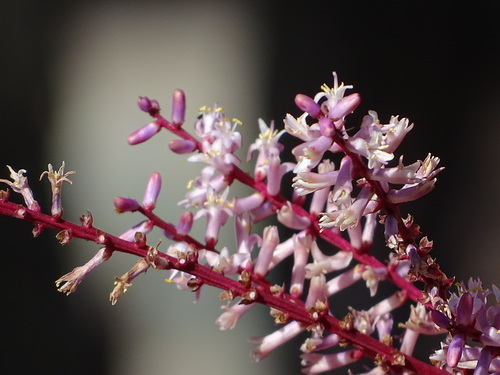
Baby Doll Ti Plant

Cordyline terminalis

The Baby Doll Ti Plant is a popular tropical ornamental known for its vibrant, colorful foliage. It contains saponins which can cause gastrointestinal distress if ingested by pets.

cat

Potentially toxic

Consulted references classify the plant as toxic or irritating for that pet type.

Watch for

Vomiting, diarrhea, excessive drooling, and loss of appetite.

dog

Potentially toxic

Consulted references classify the plant as toxic or irritating for that pet type.

Watch for

Vomiting, diarrhea, lethargy, and potential drooling.