Compare

Shamrock Plant vs. Hawaiian Ti: which is safe for cats and dogs?

The Shamrock Plant and the Hawaiian Ti are frequently confused because both are commonly referred to as the good luck plant. While they belong to entirely different botanical families, they share a similar reputation for bringing fortune into the home. Unfortunately, both plants are potentially toxic to cats and dogs if ingested. The Shamrock Plant contains soluble calcium oxalates that primarily cause oral and digestive irritation, whereas the Hawaiian Ti contains saponins that typically lead to gastrointestinal distress. Because both plants pose risks to your pets, it is important to understand how they differ in their effects and keep them out of reach.

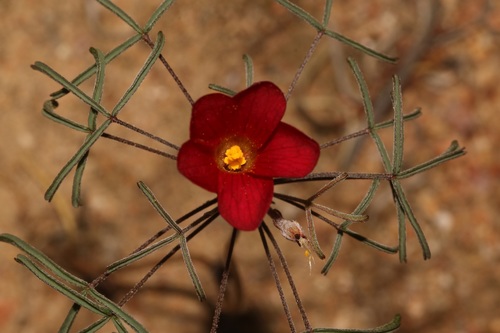
Shamrock Plant

Oxalis spp.

Oxalis species, often known as wood sorrel or shamrock plants, are popular indoor plants characterized by their clover-like foliage. They contain soluble calcium oxalates which can cause irritation if ingested by pets.

cat

Potentially toxic

Consulted references classify the plant as toxic or irritating for that pet type.

Watch for

Drooling, vomiting, decreased appetite, and oral irritation.

dog

Potentially toxic

Consulted references classify the plant as toxic or irritating for that pet type.

Watch for

Drooling, vomiting, and difficulty swallowing.
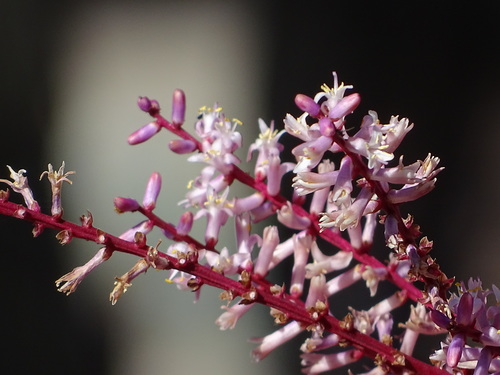
Hawaiian Ti

Cordyline fruticosa

The Hawaiian Ti is a popular tropical ornamental known for its vibrant, lance-shaped foliage. It contains saponins which can cause gastrointestinal distress if ingested by pets.

cat

Potentially toxic

Consulted references classify the plant as toxic or irritating for that pet type.

Watch for

Vomiting (sometimes with blood), diarrhea, drooling, and loss of appetite.

dog

Potentially toxic

Consulted references classify the plant as toxic or irritating for that pet type.

Watch for

Vomiting, diarrhea, excessive salivation, and lethargy.