Dogs
Potentially toxicConsulted references classify the plant as toxic or irritating for that pet type.
Verified against ASPCA/provenance audit 2026-05-06 on May 6, 2026.
Sources
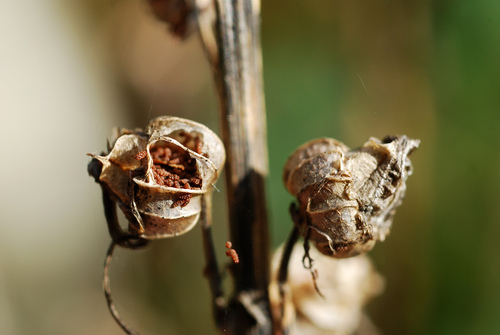
Lobelia cardinalis
Lobelia cardinalis is a striking perennial known for its vibrant red, tubular flowers that attract hummingbirds. It contains alkaloids that can cause adverse reactions if ingested by pets.
Safety status
Dogs
Potentially toxicConsulted references classify the plant as toxic or irritating for that pet type.
Verified against ASPCA/provenance audit 2026-05-06 on May 6, 2026.
Sources
Dogs should not chew or swallow any part of the cardinal flower. ASPCA Poison Control flags it as toxic for dogs because of lobeline, an alkaloid that irritates the gut and can disturb the heart's rhythm. Even a curious mouthful is worth a vet call, especially if your dog got into the seeds.
Excessive drooling and salivation, vomiting, and diarrhea are usually first. ASPCA also lists abdominal pain, depression, and heart-rhythm disturbances. With larger ingestions, watch for weakness, incoordination, and tremors.
Drooling and vomiting typically begin within minutes to a few hours of chewing. Mild ingestions usually resolve in 24–48 hours with supportive care; large ingestions can progress to severe cardiac signs over hours to a few days, per Wag!.
Call your vet or ASPCA Poison Control at 888-426-4435 any time you see persistent vomiting, weakness, or signs of an irregular heartbeat. If your dog ate seeds or a large amount of leaves or stems, call immediately — don't wait for symptoms to appear.
Take any remaining plant material out of your dog's mouth so they can't keep swallowing more. Do not induce vomiting at home — call your vet or ASPCA Poison Control first; they may direct you to bring your dog in for activated charcoal, gastric lavage, and IV fluids.
Sources: ASPCA, Wag!.
If a pet has chewed or swallowed plant material and is showing symptoms, contact a veterinarian or poison resource immediately. This product is for structured reference, not diagnosis.
Dogs — concern notes
Common signs
Vomiting, diarrhea, excessive salivation, abdominal pain, and potential neurological signs like weakness or incoordination.
Escalation note
The plant contains lobeline and other alkaloids that are irritating to the digestive tract. Seek veterinary care if your dog shows signs of illness after exposure.
Safer alternatives
No hand-picked alternatives for this plant yet. You can still pick your own using the Compare button on any other plant.
ASPCA Toxic Plant List
toxicology · 99% reliability
Cardinal flower is listed as toxic to both cats and dogs due to the presence of pyridine alkaloids.
Yes, Cardinal Flower is potentially toxic to dogs. It contains lobeline and other alkaloids that irritate the digestive tract and can cause neurological and cardiac effects if ingested in significant amounts.
Drooling and vomiting typically appear within minutes to a few hours of chewing. You may also see diarrhea, abdominal pain, and depression. Larger ingestions can progress to weakness, incoordination, tremors, and heart-rhythm disturbances over hours to a few days.
Remove any remaining plant material from your dog's mouth to stop further ingestion. Do not induce vomiting at home — call your vet or ASPCA Animal Poison Control at (888) 426-4435 first; they may direct you to bring your dog in for activated charcoal, gastric lavage, or IV fluids.
Mild signs like drooling and vomiting can start within minutes to a few hours. Mild ingestions typically resolve within 24–48 hours with supportive care, but large ingestions — especially of seeds, leaves, or stems — can escalate to severe cardiac signs over hours to a few days; call your vet immediately if your dog ate a substantial amount rather than waiting for symptoms.
Same dog verdict
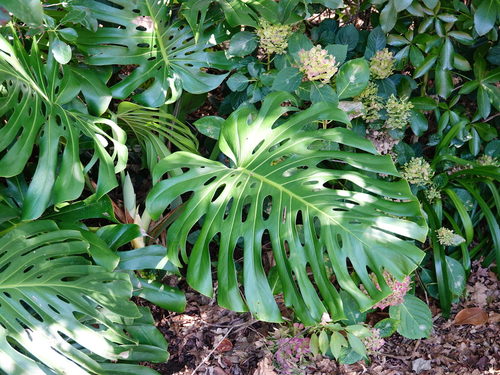
Monstera deliciosa is a popular tropical houseplant known for its large, fenestrated leaves and vining growth habit. It contains insoluble calcium oxalate crystals that can cause irritation if ingested by pets.
Potentially toxic for cats & dogs.
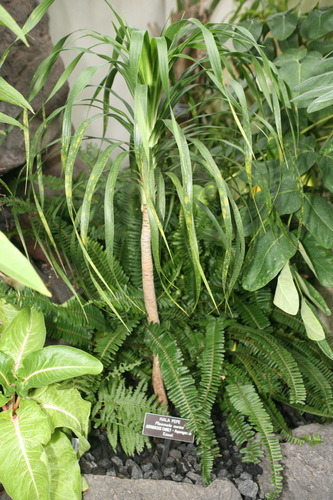
Dracaena trifasciata is a popular, hardy houseplant known for its stiff, sword-like leaves with striking yellow margins. It is widely appreciated for its air-purifying qualities and ability to thrive in various indoor conditions.
Potentially toxic for cats & dogs.
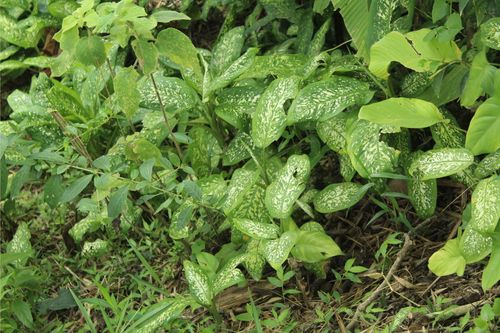
Dieffenbachia is a popular tropical houseplant known for its large, variegated leaves. It contains insoluble calcium oxalate crystals that can cause irritation if ingested or chewed.
Potentially toxic for cats & dogs.
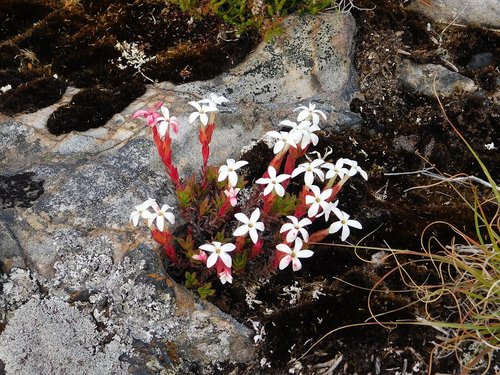
The Jade Plant is a popular succulent known for its thick, woody stems and fleshy, oval-shaped leaves. While aesthetically pleasing, it contains compounds that can cause gastrointestinal distress if ingested by pets.
Potentially toxic for cats & dogs.