Dogs
Potentially toxicConsulted references classify the plant as toxic or irritating for that pet type.
Verified against ASPCA/provenance audit 2026-05-06 on May 6, 2026.
Sources
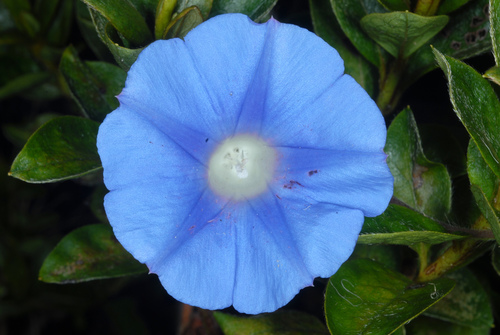
Ipomoea spp.
Morning Glory is a popular flowering vine known for its trumpet-shaped blooms that open in the morning. While aesthetically pleasing, the seeds and other plant parts contain alkaloids that can cause digestive distress if ingested by pets.
Safety status
Dogs
Potentially toxicConsulted references classify the plant as toxic or irritating for that pet type.
Verified against ASPCA/provenance audit 2026-05-06 on May 6, 2026.
Sources
Morning Glory is toxic to dogs, but the danger depends on what they ate. Foliage usually causes only mild stomach upset; ingesting a quantity of seeds is the bigger concern, because the seeds contain lysergic alkaloids that can drive neurologic signs.
Most common after eating leaves or vines: vomiting and mild diarrhea. With seed ingestion in larger amounts: incoordination ('walking drunk'), agitation, and possible hallucination-like behavior.
Exact onset is not well documented in the cited sources; gastrointestinal signs typically appear within hours of ingestion, and seed-driven neurologic signs may take longer.
Call your vet or Pet Poison Helpline (855-764-7661) the same day for vomiting or diarrhea that doesn't stop. Call immediately if you see incoordination, agitation, tremors, or you know your dog ate seeds.
Sources: ASPCA, Pet Poison Helpline (no first-aid guidance).
If a pet has chewed or swallowed plant material and is showing symptoms, contact a veterinarian or poison resource immediately. This product is for structured reference, not diagnosis.
Dogs — concern notes
Common signs
Vomiting, diarrhea, abdominal pain, and potential ataxia or tremors.
Escalation note
The plant contains lysergic acid alkaloids which can be harmful. If your dog has consumed this plant, seek veterinary attention promptly to manage symptoms and ensure safety.
Safer alternatives
No hand-picked alternatives for this plant yet. You can still pick your own using the Compare button on any other plant.
ASPCA Toxic Plant List
toxicology · 99% reliability
Morning Glory (Ipomoea spp.) is listed as toxic to both cats and dogs due to the presence of indole alkaloids.
Yes, morning glory (Ipomoea spp.) is potentially toxic to dogs. The plant contains lysergic acid alkaloids that can cause vomiting, diarrhea, abdominal pain, and in larger ingestions — particularly of seeds — ataxia or tremors.
Seeds are the most concerning part: in larger amounts they can cause incoordination ('walking drunk'), agitation, and hallucination-like behavior in addition to the gastrointestinal signs (vomiting, diarrhea) seen with leaf or vine ingestion. Neurologic signs from seeds may take longer to appear than GI symptoms.
Call your vet or the ASPCA Animal Poison Control (888-426-4435) the same day if your dog has vomiting or diarrhea that doesn't stop. Call immediately if you see incoordination, agitation, or tremors, or if you know your dog ate seeds specifically.
Morning glory contains lysergic acid alkaloids, which are responsible for both the gastrointestinal effects and the potential neurologic signs like ataxia and agitation. GI symptoms typically appear within hours of ingestion; seed-driven neurologic effects may have a longer or less predictable onset.
Same dog verdict
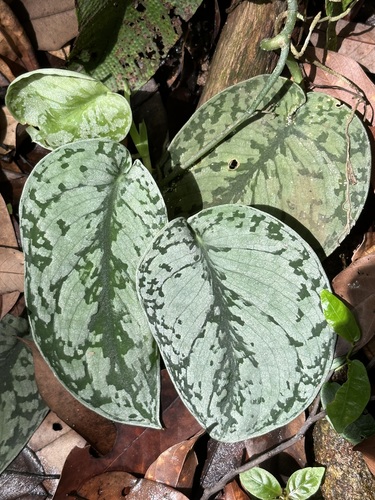
Satin Pothos is a popular vining houseplant known for its heart-shaped, silver-variegated leaves. It contains insoluble calcium oxalate crystals that can cause irritation if ingested.
Potentially toxic for cats & dogs.
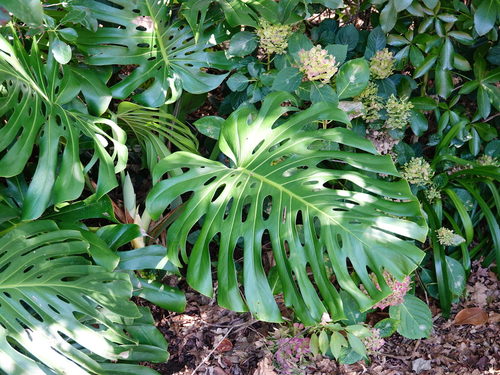
Monstera deliciosa is a popular tropical houseplant known for its large, fenestrated leaves and vining growth habit. It contains insoluble calcium oxalate crystals that can cause irritation if ingested by pets.
Potentially toxic for cats & dogs.
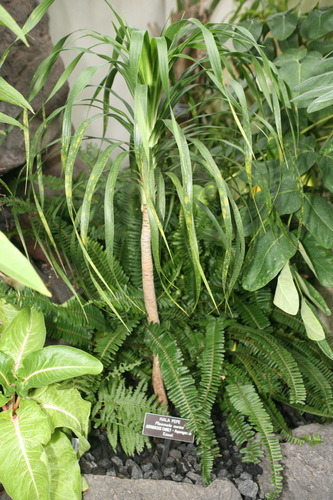
Dracaena trifasciata is a popular, hardy houseplant known for its stiff, sword-like leaves with striking yellow margins. It is widely appreciated for its air-purifying qualities and ability to thrive in various indoor conditions.
Potentially toxic for cats & dogs.
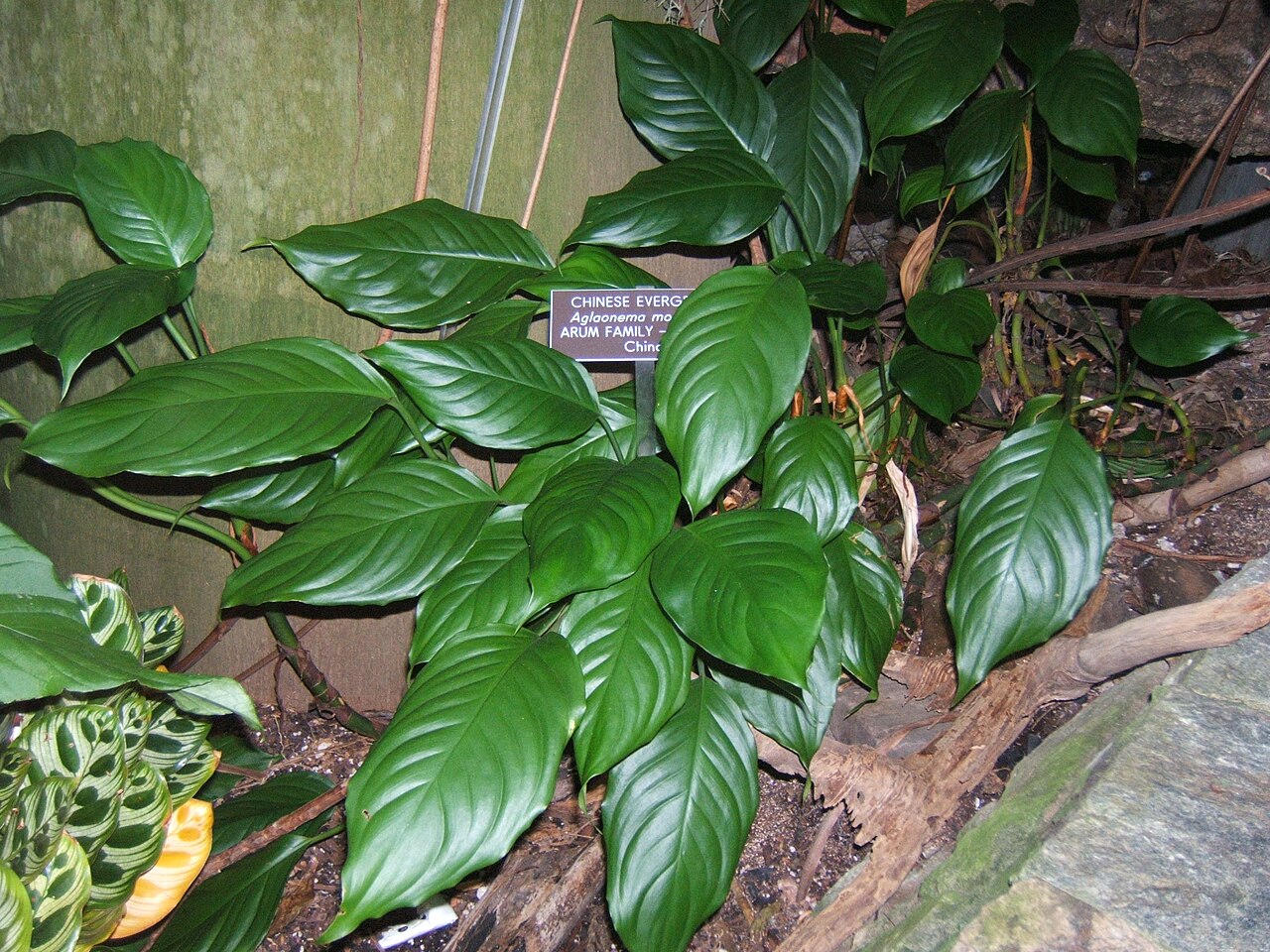
Chinese Evergreen is a popular indoor foliage plant known for its patterned leaves and tolerance of low light conditions. It contains insoluble calcium oxalate crystals that can cause irritation if ingested or chewed.
Potentially toxic for cats & dogs.