Cats
Potentially toxicConsulted references classify the plant as toxic or irritating for that pet type.
Verified against ASPCA/provenance audit 2026-05-06 on May 6, 2026.
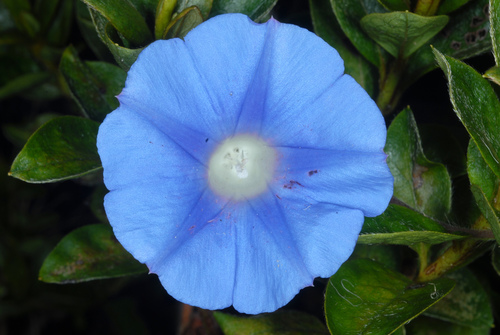
Ipomoea spp.
Morning Glory is a popular flowering vine known for its trumpet-shaped blooms that open in the morning. While aesthetically pleasing, the seeds and other plant parts contain alkaloids that can cause digestive distress if ingested by pets.
Safety status
Cats
Potentially toxicConsulted references classify the plant as toxic or irritating for that pet type.
Verified against ASPCA/provenance audit 2026-05-06 on May 6, 2026.
Cats should not chew on morning glory plants — and the seeds are the bigger problem. ASPCA lists Ipomoea spp. as toxic, with indole alkaloids (lysergic acid, lysergamide, elymoclavine, and chanoclavine) as the toxic principles. Foliage ingestion typically causes only mild GI upset, but a cat that eats a handful of seeds can show neurological signs.
Foliage exposure: mild vomiting and diarrhea. Seed exposure (much more concerning): hallucinations, agitation, incoordination, tremors, and disorientation in addition to GI signs. Watch for behavioral changes — pupillary dilation, hiding, vocalizing, or obvious disorientation.
ASPCA does not give specific timing. Pet Poison Helpline indicates GI signs from foliage are usually short-lived; neurological signs from seed ingestion can take several hours to peak and may persist 12–24 hours. Exact timing not well documented.
Call your vet or ASPCA APCC (888-426-4435) any time your cat eats morning glory seeds, regardless of amount. For foliage, call if vomiting is repeated or if you see any neurological signs (tremors, unsteadiness, abnormal behavior). Pet Poison Helpline (855-764-7661) is also available 24/7.
Remove your cat from the plant and take any leaves or seeds out of the mouth. Do NOT induce vomiting unless explicitly told to by a vet or Pet Poison Helpline — bring any seeds, leaves, or a photo of the plant to the clinic to confirm species.
Sources: ASPCA, Pet Poison Helpline.
If a pet has chewed or swallowed plant material and is showing symptoms, contact a veterinarian or poison resource immediately. This product is for structured reference, not diagnosis.
Cats — concern notes
Common signs
Vomiting, diarrhea, lethargy, and potential neurological signs such as tremors or disorientation.
Escalation note
Ingestion of seeds or plant material can lead to gastrointestinal upset. Please contact your veterinarian or a pet poison control center immediately if you suspect your cat has ingested any part of this plant.
Safer alternatives
No hand-picked alternatives for this plant yet. You can still pick your own using the Compare button on any other plant.
NC State Extension Plant Toolbox
botanical · 94% reliability
Ipomoea is a large genus of flowering plants in the Convolvulaceae family, commonly known as morning glories.
Yes, foliage and seeds carry different risk levels. Eating leaves or stems typically causes mild, short-lived vomiting and diarrhea. Seeds are far more concerning because the alkaloid concentration is higher, and seed ingestion is associated with the neurological signs — tremors, incoordination, and disorientation — that can take hours to peak and last up to 12–24 hours.
Yes, morning glory (Ipomoea spp.) is potentially toxic to cats. The plant contains alkaloids that can cause vomiting, diarrhea, lethargy, and neurological signs such as tremors or disorientation, making it a plant to keep well away from cats.
Seed ingestion is much more concerning than foliage exposure. Beyond GI signs like vomiting and diarrhea, seeds can cause hallucinations, agitation, incoordination, tremors, and disorientation. Watch also for behavioral changes such as pupillary dilation, hiding, unusual vocalizing, or obvious confusion. Neurological signs from seeds can take several hours to peak and may persist 12–24 hours.
Remove your cat from the plant and clear any leaves or seeds from the mouth. Do NOT induce vomiting unless explicitly instructed by a vet. Call your vet or the ASPCA Animal Poison Control Center at (888) 426-4435 any time your cat eats morning glory seeds — regardless of amount. For foliage, call if vomiting is repeated or any neurological signs appear. Bring seeds, leaves, or a photo of the plant to the clinic to confirm the species.
Same cat verdict
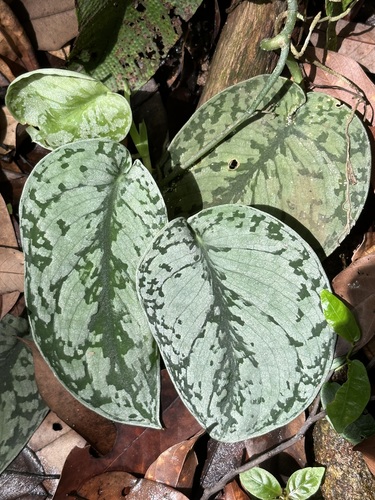
Satin Pothos is a popular vining houseplant known for its heart-shaped, silver-variegated leaves. It contains insoluble calcium oxalate crystals that can cause irritation if ingested.
Potentially toxic for cats & dogs.
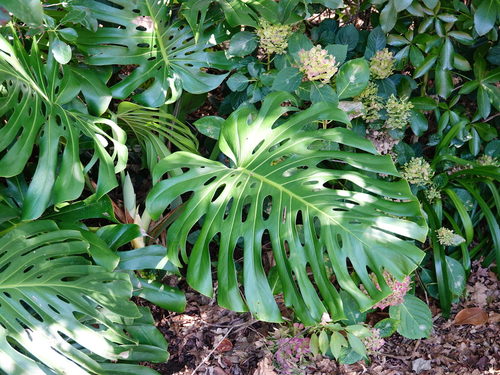
Monstera deliciosa is a popular tropical houseplant known for its large, fenestrated leaves and vining growth habit. It contains insoluble calcium oxalate crystals that can cause irritation if ingested by pets.
Potentially toxic for cats & dogs.
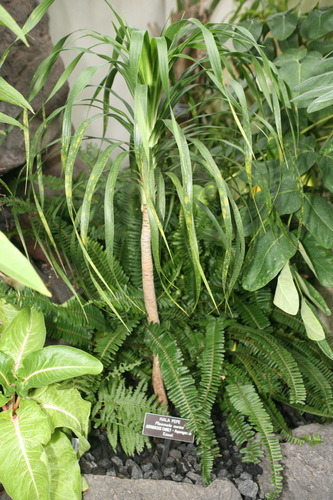
Dracaena trifasciata is a popular, hardy houseplant known for its stiff, sword-like leaves with striking yellow margins. It is widely appreciated for its air-purifying qualities and ability to thrive in various indoor conditions.
Potentially toxic for cats & dogs.
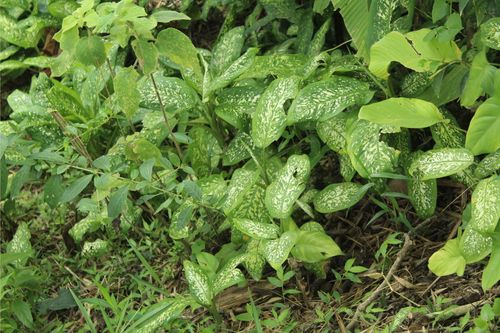
Dieffenbachia is a popular tropical houseplant known for its large, variegated leaves. It contains insoluble calcium oxalate crystals that can cause irritation if ingested or chewed.
Potentially toxic for cats & dogs.