Dogs
Potentially toxicConsulted references classify the plant as toxic or irritating for that pet type.
Verified against ASPCA/provenance audit 2026-05-06 on May 6, 2026.
Sources
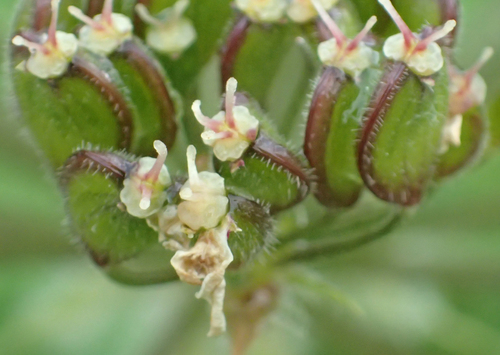
Heracleum maximum
Cow parsnip is a large, herbaceous perennial member of the carrot family known for its tall stature and umbrella-like flower clusters. It contains furanocoumarins that can cause significant skin and mucosal irritation upon contact.
Safety status
Dogs
Potentially toxicConsulted references classify the plant as toxic or irritating for that pet type.
Verified against ASPCA/provenance audit 2026-05-06 on May 6, 2026.
Sources
Dogs — toxic. ASPCA classifies cow parsnip as toxic to dogs; the furanocoumarins in the leaves and sap cause phytophotodermatitis, a sun-activated chemical burn on skin that contacted the plant. Dogs are most often exposed by brushing through stands of cow parsnip on walks or by chewing the stems.
Drooling and oral irritation if the dog chewed or ate the plant; red, blistered, or peeling skin on the muzzle, lips, belly, paws, or anywhere else the sap touched; itchiness or pawing at the burn site. Reactions intensify markedly with sun exposure.
Skin reactions develop over 24–48 hours after the contact area is exposed to sunlight, and lesions can take 1–2 weeks to heal. Oral irritation usually subsides within 24 hours once the dog stops contacting the plant.
Call promptly if you see blistering or open skin lesions, swelling around the mouth, persistent drooling, or refusal to eat. Severe phytophotodermatitis can ulcerate and become infected, so don't wait it out.
Bring the dog inside, away from sunlight. With gloves on, wash the contact areas thoroughly with soap and cool water and rinse the mouth if the dog has chewed leaves. Do not induce vomiting. Call your vet or ASPCA Animal Poison Control at (888) 426-4435.
Sources: ASPCA.
If a pet has chewed or swallowed plant material and is showing symptoms, contact a veterinarian or poison resource immediately. This product is for structured reference, not diagnosis.
Dogs — concern notes
Common signs
Skin inflammation, blistering, oral irritation, and potential gastrointestinal upset.
Escalation note
Contact with the sap can lead to phytophotodermatitis, where skin becomes hypersensitive to UV light. Seek veterinary care if your pet shows signs of distress or skin lesions.
Safer alternatives
No hand-picked alternatives for this plant yet. You can still pick your own using the Compare button on any other plant.
ASPCA Toxic Plant List
toxicology · 99% reliability
Cow parsnip is listed as toxic to both cats and dogs due to its potential for causing dermatitis and irritation.
Yes, cow parsnip (Heracleum maximum) is potentially toxic to dogs. Its sap contains furanocoumarins that cause skin inflammation, blistering, and oral irritation, and can lead to gastrointestinal upset if ingested.
Skin reactions appear as redness, blistering, or peeling on areas the sap contacted — commonly the muzzle, lips, belly, and paws. The reaction is driven by phytophotodermatitis: the sap makes skin hypersensitive to UV light, so symptoms develop over 24–48 hours after sun exposure and can take 1–2 weeks to fully heal. Reactions are significantly worse if the dog goes outside in sunlight after contact.
Bring your dog inside immediately and keep them away from sunlight. Wearing gloves, wash all contact areas thoroughly with soap and cool water, and rinse the mouth if the dog chewed any leaves. Do not induce vomiting. Call your vet or the ASPCA Animal Poison Control Center at (888) 426-4435.
Call your vet promptly — don't wait it out — if you see blistering or open skin lesions, swelling around the mouth, persistent drooling, or refusal to eat. Severe phytophotodermatitis can ulcerate and become infected; early treatment reduces the risk of serious skin damage.
Same dog verdict
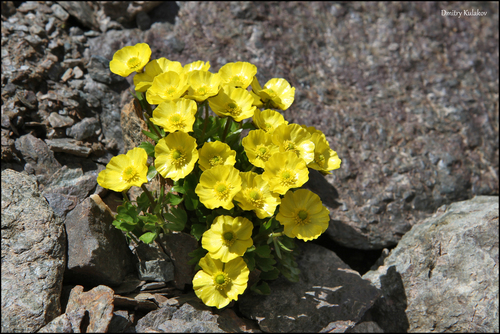
Buttercups are flowering plants known for their bright, cup-shaped blooms, but they contain compounds that can cause irritation if ingested. They are generally considered toxic to household pets due to the presence of protoanemonin.
Potentially toxic for cats & dogs.
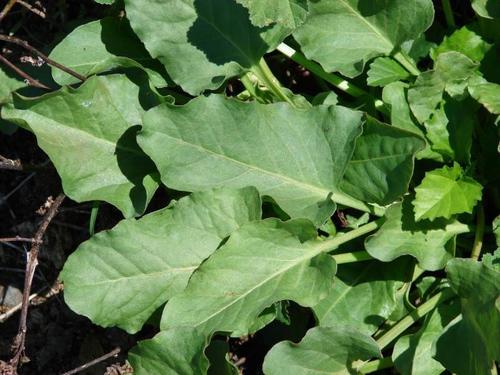
Dock is a genus of perennial herbs often found in fields and gardens that contains soluble calcium oxalates. Ingestion of any part of the plant can cause irritation to the mouth and digestive tract.
Potentially toxic for cats & dogs.
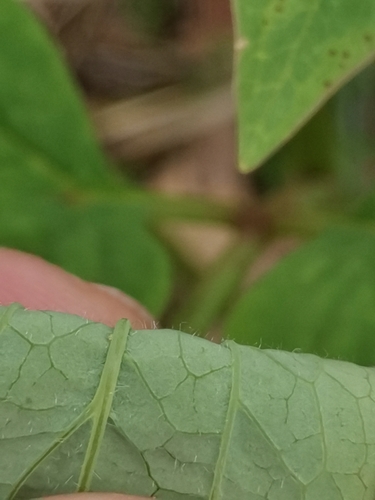
The peony is a popular garden perennial known for its large, showy blooms. While prized for its beauty, all parts of the plant contain paeonol, which can cause gastrointestinal distress if ingested by pets.
Potentially toxic for cats & dogs.
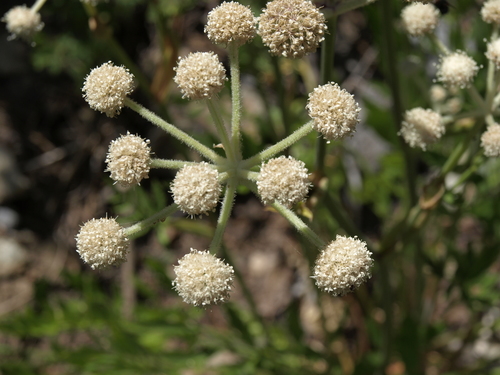
Ranger's Button is a perennial herb native to the western United States, known for its distinct, button-like flower clusters. It is considered toxic to pets if ingested and should be kept out of reach.
Potentially toxic for cats & dogs.