Cats
Potentially toxicConsulted references classify the plant as toxic or irritating for that pet type.
Verified against ASPCA/provenance audit 2026-05-06 on May 6, 2026.
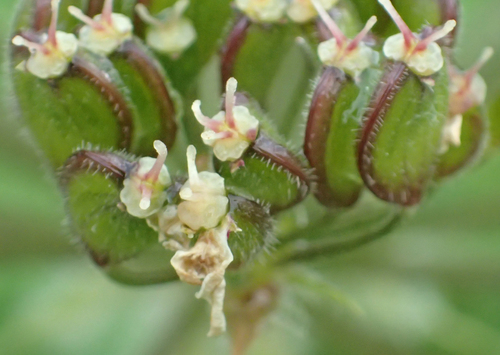
Heracleum maximum
Cow parsnip is a large, herbaceous perennial member of the carrot family known for its tall stature and umbrella-like flower clusters. It contains furanocoumarins that can cause significant skin and mucosal irritation upon contact.
Safety status
Cats
Potentially toxicConsulted references classify the plant as toxic or irritating for that pet type.
Verified against ASPCA/provenance audit 2026-05-06 on May 6, 2026.
Cats — toxic. ASPCA classifies cow parsnip as toxic to cats; the furanocoumarins in the foliage cause phytophotodermatitis, a sun-triggered chemical burn that flares wherever sap touches skin or fur. Cats that brush past stems and then groom themselves can spread the sap across paws, muzzle, and ears.
Mouth and tongue irritation if leaves were chewed; redness, blistering, or hair loss on areas the sap contacted (often muzzle, paws, and ears); pawing at the face; squinting or eye irritation. Skin reactions worsen sharply once the cat goes into sunlight.
Skin reactions appear once the contact area meets UV light — usually within 24–48 hours of exposure — and can take days to a week or more to resolve. Oral irritation typically settles within a day if the cat stops chewing.
Call any time you see blistering, raw skin, eye irritation, persistent drooling, or refusal to eat. Cats are small and skin reactions can become severe with normal sun exposure, so don't wait to see if it worsens.
Move the cat indoors and out of direct sunlight. With gloves on, wipe sap off the fur with a damp cloth and rinse the mouth gently with cool water if the cat will tolerate it. Do not induce vomiting. Then call your vet or ASPCA Animal Poison Control at (888) 426-4435.
Sources: ASPCA.
If a pet has chewed or swallowed plant material and is showing symptoms, contact a veterinarian or poison resource immediately. This product is for structured reference, not diagnosis.
Cats — concern notes
Common signs
Dermatitis, blistering, redness, and irritation of the mouth or throat if ingested.
Escalation note
The plant contains photosensitizing compounds that can cause severe skin reactions when exposed to sunlight. Please contact your veterinarian if you suspect ingestion or skin contact.
Safer alternatives
No hand-picked alternatives for this plant yet. You can still pick your own using the Compare button on any other plant.
NC State Extension Plant Toolbox
botanical · 94% reliability
Heracleum maximum is a native perennial that can cause skin irritation in humans and animals due to furanocoumarins.
Yes, cow parsnip (Heracleum maximum) is considered potentially toxic to cats. It contains furanocoumarins — photosensitizing compounds — that cause dermatitis, blistering, redness, and irritation of the mouth or throat on contact or ingestion.
If a cat chews the leaves, expect mouth and tongue irritation and possible drooling. Sap on the skin — most often on the muzzle, paws, or ears — causes redness, blistering, and hair loss once that area is exposed to sunlight, typically within 24–48 hours. You may also see the cat pawing at its face or squinting from eye irritation.
Move the cat indoors and away from direct sunlight immediately. Wearing gloves, wipe any sap off the fur with a damp cloth and rinse the mouth gently with cool water if the cat will tolerate it — do not induce vomiting. Then call your vet or the ASPCA Animal Poison Control Center at (888) 426-4435.
Oral irritation typically settles within a day once the cat stops chewing. Skin reactions are slower — they appear after the affected area meets UV light and can take days to a week or more to fully resolve. Because cats are small and sun exposure can rapidly worsen blistering, don't wait to see if symptoms improve on their own.
Same cat verdict
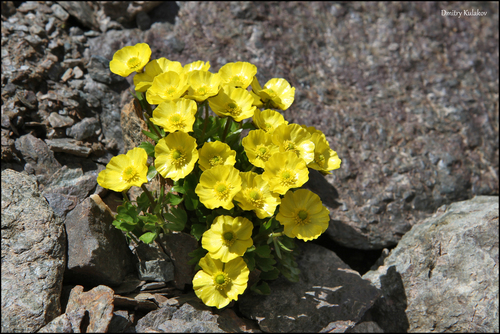
Buttercups are flowering plants known for their bright, cup-shaped blooms, but they contain compounds that can cause irritation if ingested. They are generally considered toxic to household pets due to the presence of protoanemonin.
Potentially toxic for cats & dogs.
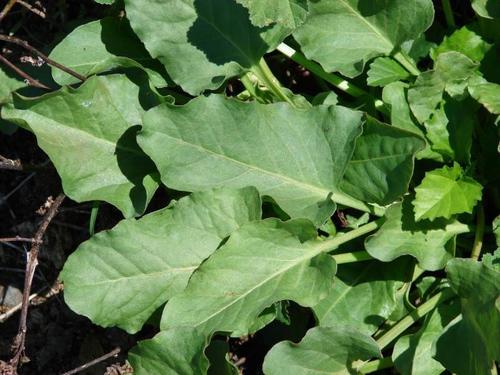
Dock is a genus of perennial herbs often found in fields and gardens that contains soluble calcium oxalates. Ingestion of any part of the plant can cause irritation to the mouth and digestive tract.
Potentially toxic for cats & dogs.
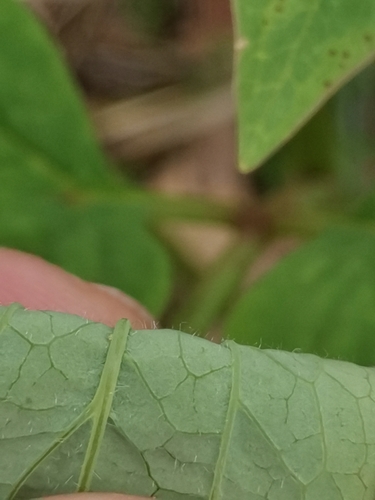
The peony is a popular garden perennial known for its large, showy blooms. While prized for its beauty, all parts of the plant contain paeonol, which can cause gastrointestinal distress if ingested by pets.
Potentially toxic for cats & dogs.
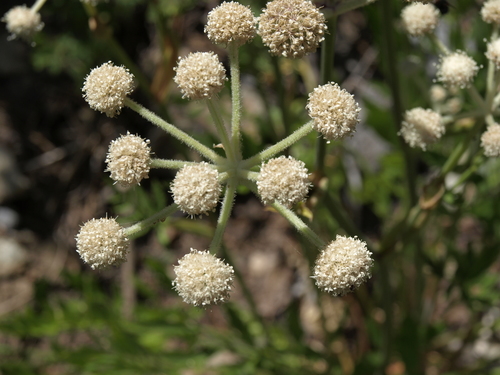
Ranger's Button is a perennial herb native to the western United States, known for its distinct, button-like flower clusters. It is considered toxic to pets if ingested and should be kept out of reach.
Potentially toxic for cats & dogs.