Cats & Dogs
Generally safeConsulted references do not classify the plant as toxic for that pet type, while still allowing for mild GI upset if large amounts are chewed.
Verified against ASPCA/provenance audit 2026-05-06 on May 6, 2026.
Sources
Fragaria spp.
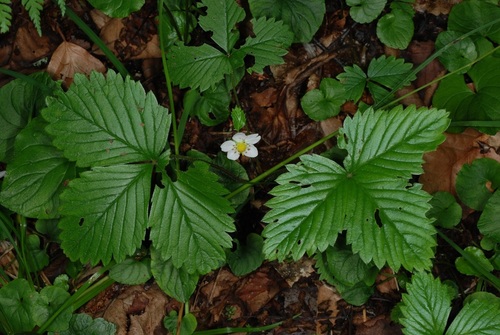
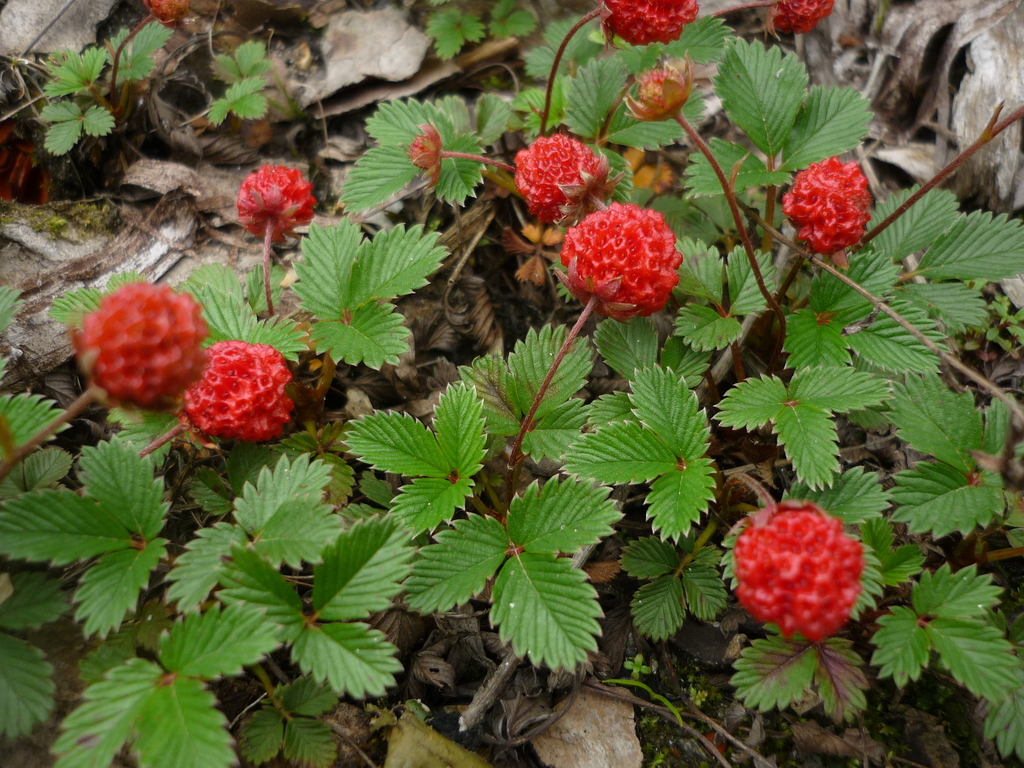
Strawberry plants are popular garden and container fruits known for their edible berries and trifoliate leaves. They are considered non-toxic to pets, though ingestion of large amounts of plant material may cause minor digestive discomfort.
Safety status
Cats & Dogs
Generally safeConsulted references do not classify the plant as toxic for that pet type, while still allowing for mild GI upset if large amounts are chewed.
Verified against ASPCA/provenance audit 2026-05-06 on May 6, 2026.
Sources
If a pet has chewed or swallowed plant material and is showing symptoms, contact a veterinarian or poison resource immediately. This product is for structured reference, not diagnosis.
Cats — concern notes
Common signs
None typically expected; however, large ingestions of fibrous leaves may cause mild vomiting or diarrhea.
Escalation note
Generally safe. If your cat consumes a large amount of plant material and shows signs of distress, contact your veterinarian.
Dogs — concern notes
Common signs
None typically expected; however, large ingestions of fibrous leaves may cause mild vomiting or diarrhea.
Escalation note
Generally safe. If your dog consumes a large amount of plant material and shows signs of distress, contact your veterinarian.
Bring it home
Strawberryis generally pet-safe in ordinary household exposure. If you’d like one for your space, here’s a starting point.
Shop on AmazonSome links earn us a small commission. They never affect our safety classifications.
ASPCA Toxic Plant List
toxicology · 99% reliability
Strawberry is listed as non-toxic to both cats and dogs.
NC State Extension Plant Toolbox
botanical · 94% reliability
Fragaria is a genus of flowering plants in the rose family, Rosaceae, commonly known as strawberries for their edible fruit.
Strawberry plants (Fragaria spp.) are non-toxic to cats. The ASPCA classifies them as generally safe, so a cat nibbling on a leaf or berry is not cause for alarm.
No symptoms are typically expected from small amounts. If your cat eats a large quantity of fibrous leaves, mild vomiting or diarrhea is possible due to the fiber load, not any toxic compound.
There is no established toxic dose because strawberries are non-toxic to cats. That said, non-toxic does not mean unlimited — large ingestions of plant material can cause GI upset, so it is best to discourage grazing on the plant.
A small nibble does not require a vet call, but if your cat consumed a large amount of plant material and is showing signs of vomiting, diarrhea, or distress, contact your veterinarian.
Yes, strawberry plants (Fragaria spp.) are considered non-toxic to dogs. Both the berries and the plant itself are generally safe, though non-toxic does not mean harmless in large quantities.
Large ingestions of fibrous strawberry leaves may cause mild vomiting or diarrhea due to the plant material, not any toxic compound. A small nibble is unlikely to cause any symptoms at all.
Probably not — strawberries are classified as generally safe for dogs. Monitor your dog for mild digestive upset like vomiting or diarrhea if they ate a significant amount of leaves or plant material, and contact your veterinarian if signs of distress develop.
No part of the strawberry plant is considered toxic to dogs. The main risk from large ingestions is minor GI upset from the fibrous leaves, not poisoning.
Same genus
Same safety verdict
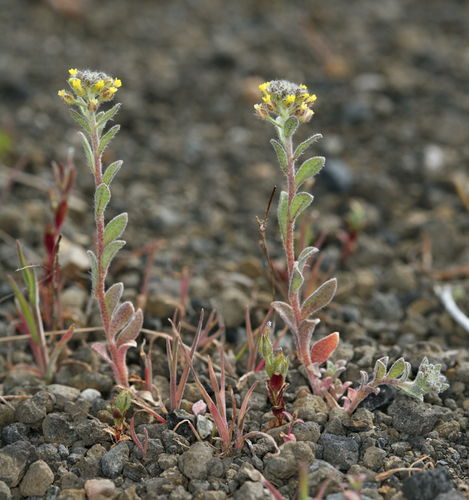
Alyssum is a popular, fragrant flowering plant often used in garden beds and containers. It is considered non-toxic to pets, though ingestion of large amounts of plant material may cause mild digestive upset.
Generally safe for cats & dogs.
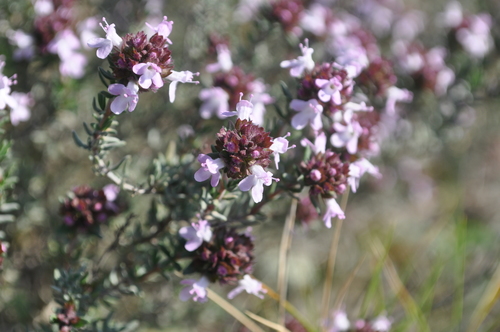
Thyme is a popular culinary and ornamental herb known for its aromatic foliage and low-growing habit. It is considered safe for pets, though large ingestions of any fibrous plant material may cause minor digestive discomfort.
Generally safe for cats & dogs.
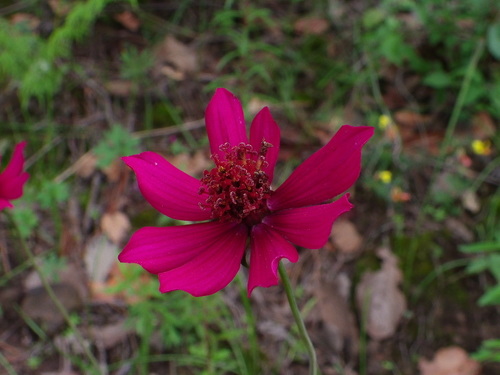
Garden cosmos is a daisy-like annual usually treated as a pet-safe flowering option, though any large plant ingestion can still cause mild stomach upset.
Generally safe for cats & dogs.
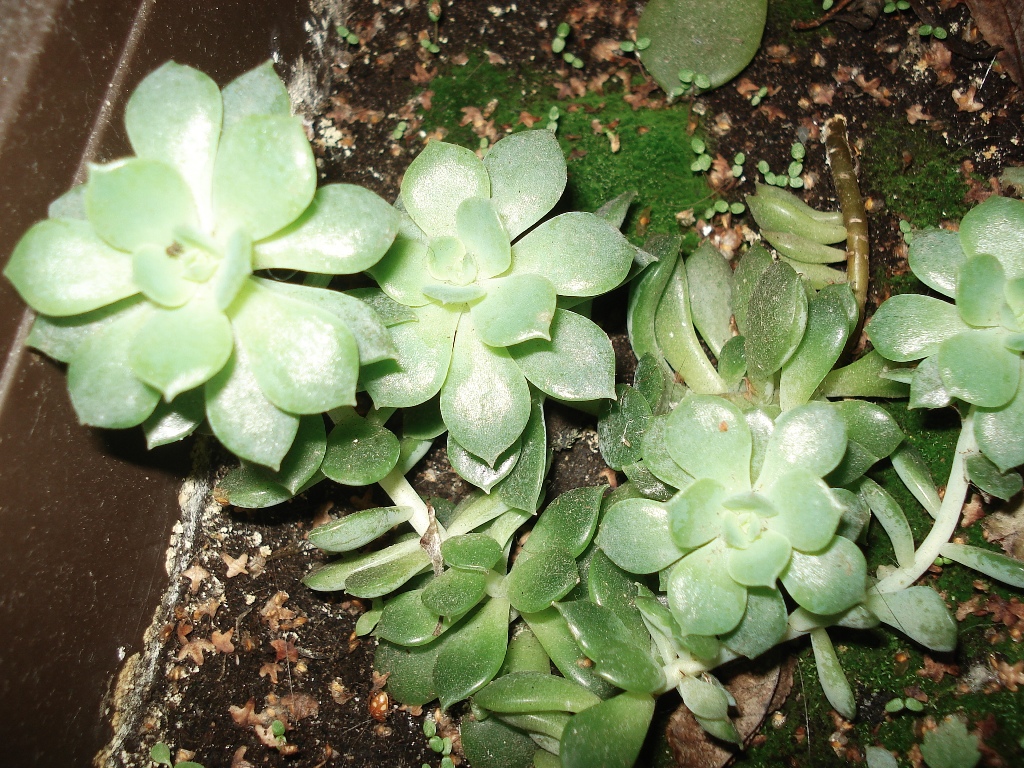
Echeveria is a popular, rosette-forming succulent known for its fleshy, architectural leaves and ease of care. It is considered non-toxic to pets, though ingestion of large amounts of fibrous plant material may cause minor digestive discomfort.
Generally safe for cats & dogs.
Same growing conditions
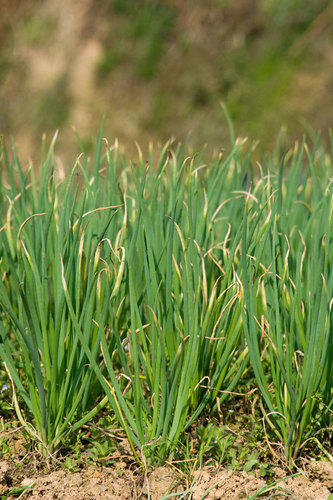
The onion is a bulbous vegetable widely used in cooking that contains compounds capable of damaging red blood cells in pets. Ingestion of any part of the plant, including the bulb, can lead to serious health complications.
Potentially toxic for cats & dogs.
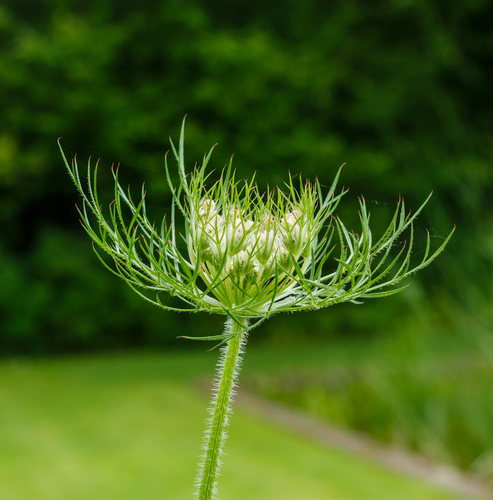
The carrot is a popular root vegetable often grown in home gardens, known for its edible taproot and feathery foliage. It is considered safe for pets, though large ingestions of fibrous plant material may occasionally cause minor digestive upset.
Generally safe for cats & dogs.
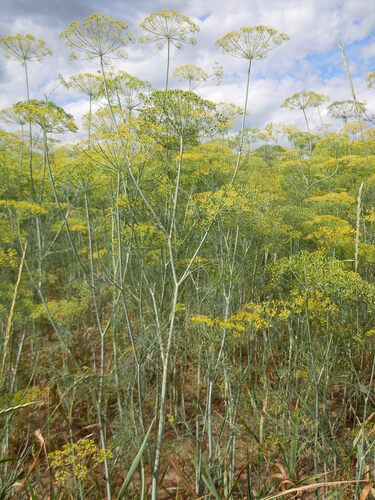
Dill is a popular culinary herb known for its feathery, aromatic foliage and is generally considered safe for household pets. While non-toxic, consuming large amounts of the fibrous plant material may occasionally cause mild digestive upset in some animals.
Generally safe for cats & dogs.
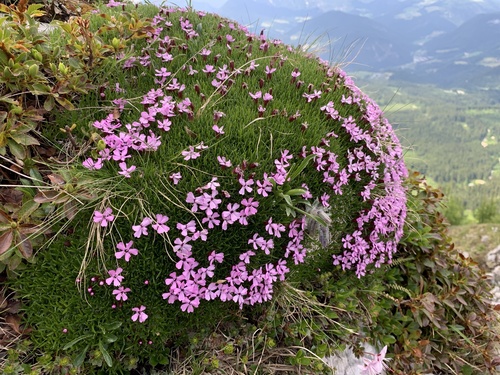
Moss Campion is a low-growing, cushion-forming perennial wildflower native to alpine regions. It is considered non-toxic to pets, though ingestion of large amounts of plant material may cause minor digestive upset.
Uncertain for cats & dogs.