Cats & Dogs
Generally safeConsulted references do not classify the plant as toxic for that pet type, while still allowing for mild GI upset if large amounts are chewed.
Verified against ASPCA/provenance audit 2026-05-06 on May 6, 2026.
Sources
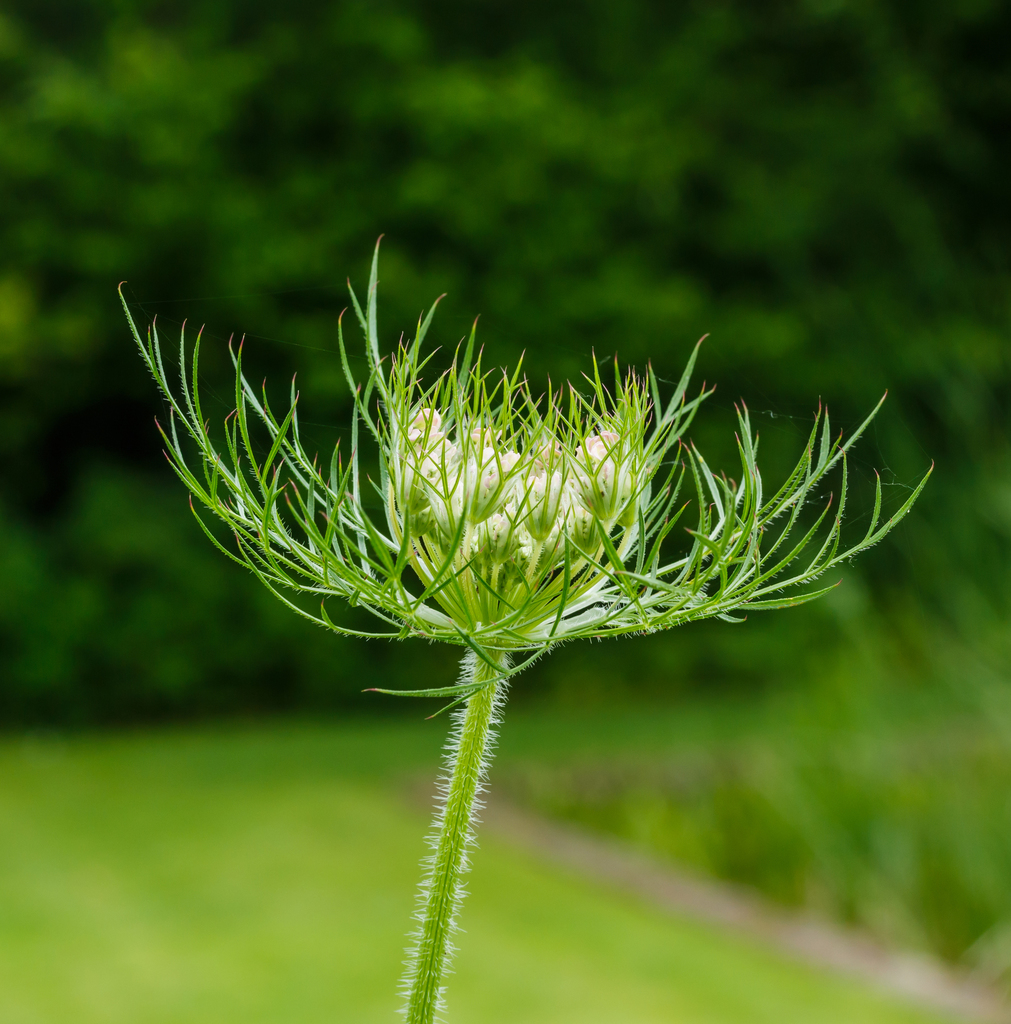
Daucus carota var. sativa
The carrot is a popular root vegetable often grown in home gardens, known for its edible taproot and feathery foliage. It is considered safe for pets, though large ingestions of fibrous plant material may occasionally cause minor digestive upset.
Safety status
Cats & Dogs
Generally safeConsulted references do not classify the plant as toxic for that pet type, while still allowing for mild GI upset if large amounts are chewed.
Verified against ASPCA/provenance audit 2026-05-06 on May 6, 2026.
Sources
If a pet has chewed or swallowed plant material and is showing symptoms, contact a veterinarian or poison resource immediately. This product is for structured reference, not diagnosis.
Cats — concern notes
Common signs
None typically expected. In rare cases of large consumption, mild vomiting or diarrhea may occur due to the fibrous nature of the plant.
Escalation note
Generally considered non-toxic. If your cat consumes a large amount and shows signs of distress, contact your veterinarian.
Dogs — concern notes
Common signs
None typically expected. Large ingestions of raw plant material may lead to mild gastrointestinal upset or loose stools.
Escalation note
Generally considered non-toxic. If your dog consumes a large amount and shows signs of distress, contact your veterinarian.
Bring it home
Carrotis generally pet-safe in ordinary household exposure. If you’d like one for your space, here’s a starting point.
Shop on AmazonSome links earn us a small commission. They never affect our safety classifications.
ASPCA Toxic Plant List
toxicology · 99% reliability
Carrot is listed as non-toxic to both cats and dogs.
NC State Extension Plant Toolbox
botanical · 94% reliability
Daucus carota subsp. sativus is the cultivated carrot, widely grown for its edible root.
Carrots are non-toxic to cats and are considered generally safe. There are no toxic principles in carrots that pose a risk to cats.
Large ingestions of carrot are unlikely to cause serious harm, but the fibrous plant material may occasionally trigger mild vomiting or diarrhea. Symptoms should resolve on their own; if distress persists, contact your veterinarian.
No emergency action is needed — carrots are non-toxic to cats. Monitor your cat for any signs of GI upset such as vomiting or diarrhea if a large amount was eaten, and call your vet if symptoms develop or your cat seems unwell.
The classification data covers the carrot plant as a whole (Daucus carota var. sativa) and lists it as generally safe; no separate toxicity is documented for the feathery foliage. As with the root, large amounts of fibrous greens could cause mild digestive upset, but no toxic reaction is expected.
Carrots are non-toxic to dogs and are generally considered safe. They do not contain harmful compounds, and the ASPCA does not list them as a toxic plant for dogs.
Large ingestions of raw carrot or fibrous carrot plant material may occasionally cause mild gastrointestinal upset or loose stools, but serious harm is not expected. Non-toxic does not mean unlimited quantities are fine — moderation applies.
The feathery foliage and greens are also considered non-toxic to dogs, though the fibrous plant material is harder to digest than the taproot and is more likely to cause loose stools if eaten in quantity.
Call your veterinarian if your dog ate a very large amount and is showing signs of distress such as prolonged vomiting, significant diarrhea, or lethargy. For a dog that nibbled a carrot or its greens without any symptoms, monitoring at home is typically sufficient.
Same safety verdict
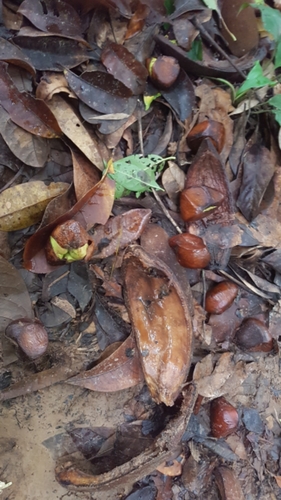
The Money Tree is a popular indoor plant known for its braided trunk and palm-like leaves, often associated with good luck and prosperity in home decor.
Generally safe for cats & dogs.
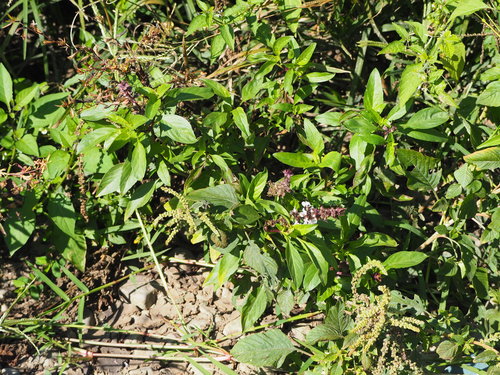
Basil is a popular culinary herb known for its aromatic leaves and ease of growth in sunny indoor or outdoor environments. It is considered safe for pets, though large ingestions of fibrous plant material may occasionally cause minor digestive discomfort.
Generally safe for cats & dogs.
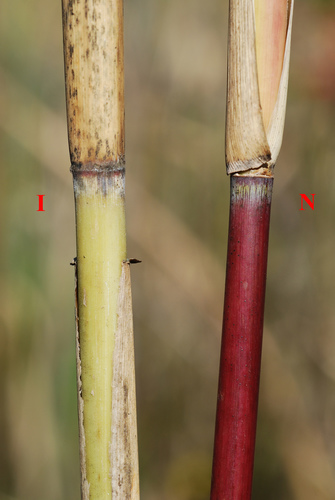
Canna Lily is a popular tropical perennial known for its vibrant, large flowers and bold foliage. It is considered safe for pets, though its fibrous nature may cause minor digestive discomfort if consumed in large quantities.
Generally safe for cats & dogs.
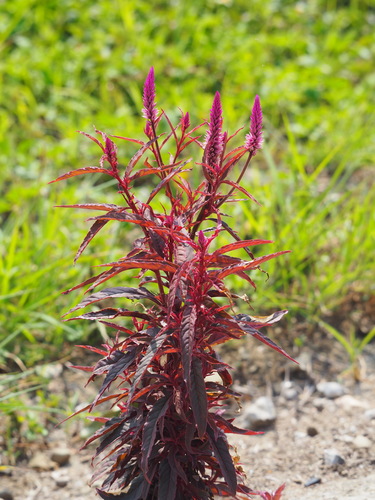
Celosia is a popular ornamental plant known for its vibrant, feathery, or plume-like flower spikes. It is widely considered safe for households with pets, though ingestion of large amounts of fibrous plant material may cause minor digestive discomfort.
Generally safe for cats & dogs.
Same growing conditions
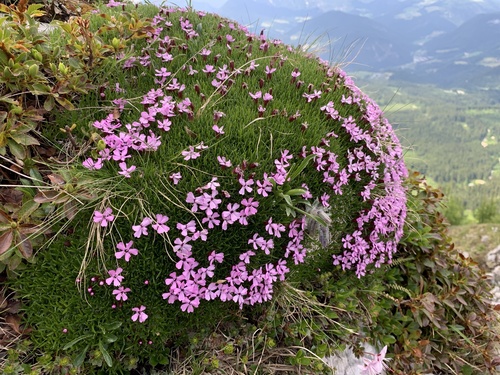
Moss Campion is a low-growing, cushion-forming perennial wildflower native to alpine regions. It is considered non-toxic to pets, though ingestion of large amounts of plant material may cause minor digestive upset.
Uncertain for cats & dogs.
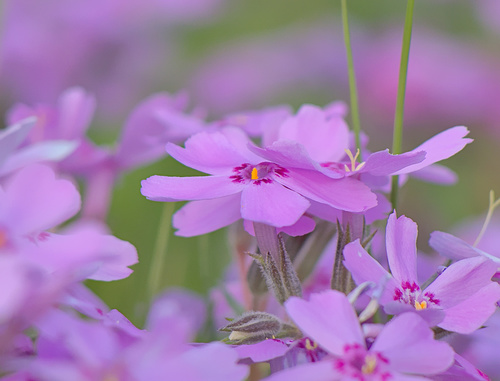
Moss Phlox is a low-growing, mat-forming perennial known for its vibrant spring blooms and needle-like foliage. It is widely considered safe for households with pets, though ingestion of large amounts of plant material may cause minor digestive discomfort.
Not yet rated for cats.
Generally safe for dogs.
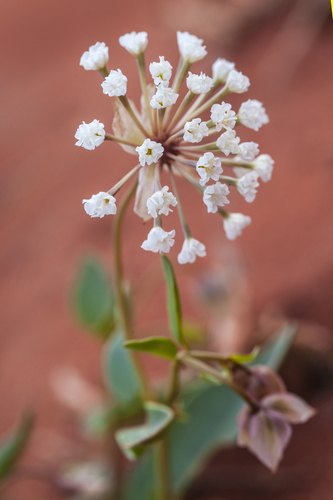
Sand Verbena is a fragrant, drought-tolerant perennial native to the central and western United States, often found in sandy soils. It is considered non-toxic to pets, though large ingestions of any fibrous plant material may cause minor digestive upset.
Uncertain for cats & dogs.
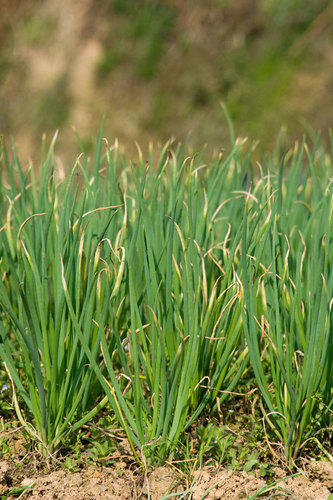
The onion is a bulbous vegetable widely used in cooking that contains compounds capable of damaging red blood cells in pets. Ingestion of any part of the plant, including the bulb, can lead to serious health complications.
Potentially toxic for cats & dogs.