Compare

Clematis vs. Leatherflower: which is safe for cats and dogs?

Clematis and Leatherflower are frequently compared because they both share the common-name alias Virgin's bower, leading many gardeners to believe they are distinct varieties when they are often grouped within the same genus. It is important to know that both plants are potentially toxic to your pets. While they are prized for their climbing habits and beautiful blooms, they contain irritant compounds that can cause significant gastrointestinal distress and oral irritation if ingested by cats or dogs. Because both plants pose similar risks to your household animals, it is wise to handle them with care and keep them out of reach of your curious companions.

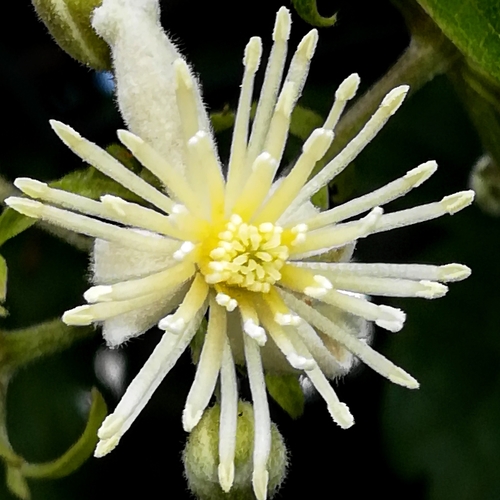
Clematis

Clematis spp.

Clematis is a genus of popular flowering vines known for their showy blooms and climbing habit. While beautiful in the garden, they contain irritant compounds that can cause discomfort if ingested by pets.

cat

Potentially toxic

Consulted references classify the plant as toxic or irritating for that pet type.

Watch for

Drooling, vomiting, diarrhea, and oral irritation.

dog

Potentially toxic

Consulted references classify the plant as toxic or irritating for that pet type.

Watch for

Excessive salivation, vomiting, diarrhea, and potential irritation of the mouth or throat.
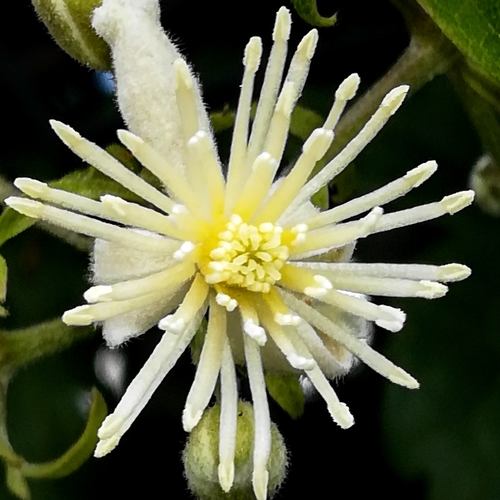
Leatherflower

Clematis sp.

Clematis is a genus of climbing vines known for their showy, star-shaped flowers. While popular in gardens, all parts of the plant contain compounds that can cause irritation if ingested by pets.

cat

Potentially toxic

Consulted references classify the plant as toxic or irritating for that pet type.

Watch for

Drooling, vomiting, diarrhea, and oral irritation.

dog

Potentially toxic

Consulted references classify the plant as toxic or irritating for that pet type.

Watch for

Drooling, vomiting, diarrhea, and potential skin irritation upon contact.