Dogs
Potentially toxicConsulted references classify the plant as toxic or irritating for that pet type.
Verified against ASPCA/provenance audit 2026-05-06 on May 6, 2026.
Sources
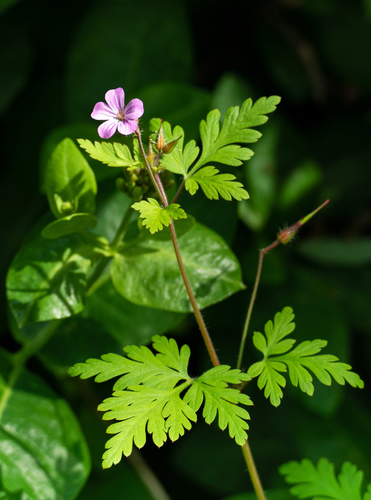
Cicuta species
Cowbane is a highly poisonous genus of plants in the carrot family, known for containing potent neurotoxins that affect the central nervous system. It is considered one of the most lethal plants in North America and should be strictly avoided in any environment accessible to pets.
Safety status
Dogs
Potentially toxicConsulted references classify the plant as toxic or irritating for that pet type.
Verified against ASPCA/provenance audit 2026-05-06 on May 6, 2026.
Sources
Dogs — extremely toxic. ASPCA and Pet Poison Helpline both list water hemlock (Cicuta) as a serious threat: the toxin cicutoxin acts as a GABA antagonist in the central nervous system, and ingestion of even a small amount of root or stem can rapidly produce seizures and death. Hunting, farm, or off-leash dogs that chew the carrot-like roots after digging are the typical poisoning case.
Pet Poison Helpline lists drooling, dilated pupils, weakness, agitation, nervousness, twitching, seizures, cardiac abnormalities, difficulty breathing, and death from respiratory paralysis. ASPCA adds diarrhea, extreme stomach pain, fever, bloat, and respiratory depression.
Pet Poison Helpline emphasizes that the time between symptom onset and severe poisoning can be very short and that prompt aggressive treatment is needed. Exact dose-to-onset varies; precise numbers are not published in the cited sources.
Call your vet or ASPCA Animal Poison Control (888-426-4435) immediately on any suspicion — do not wait for symptoms. Pet Poison Helpline (855-764-7661) is also 24/7. Prompt seizure control and supportive care offer the only realistic chance.
Sources: ASPCA, Pet Poison Helpline.
If a pet has chewed or swallowed plant material and is showing symptoms, contact a veterinarian or poison resource immediately. This product is for structured reference, not diagnosis.
Dogs — concern notes
Common signs
Vomiting, violent seizures, muscle twitching, dilated pupils, and potential collapse.
Escalation note
Extremely severe; the toxins act rapidly on the nervous system. Contact a veterinarian or emergency animal poison control center immediately.
Safer alternatives
No hand-picked alternatives for this plant yet. You can still pick your own using the Compare button on any other plant.
ASPCA Toxic Plant List
toxicology · 99% reliability
Water Hemlock is listed as toxic to both cats and dogs, containing cicutoxin which causes severe neurotoxic effects.
NC State Extension Plant Toolbox
botanical · 94% reliability
Cicuta maculata is highly poisonous to humans and animals; all parts of the plant are toxic.
Yes, water hemlock (Cicuta species) is extremely poisonous to dogs and is considered one of the most lethal plants in North America. It contains potent neurotoxins that act rapidly on the central nervous system, and even small amounts can be fatal.
Symptoms include drooling, dilated pupils, weakness, agitation, muscle twitching, violent seizures, difficulty breathing, and cardiac abnormalities. Vomiting, diarrhea, extreme stomach pain, fever, and bloat have also been reported. Death from respiratory paralysis is possible.
Call your vet or the ASPCA Animal Poison Control Center (888-426-4435) immediately — do not wait for symptoms to appear. The Pet Poison Helpline (855-764-7661) is also available 24/7. The time between symptom onset and severe poisoning can be very short, and prompt aggressive treatment including seizure control and supportive care offers the only realistic chance of survival.
The toxins act rapidly on the nervous system, though precise dose-to-onset times are not published in the cited sources. Because the window between early symptoms and severe poisoning is very short, the Pet Poison Helpline stresses that immediate treatment is critical — any suspected ingestion should be treated as an emergency without waiting to see how symptoms develop.
Same dog verdict
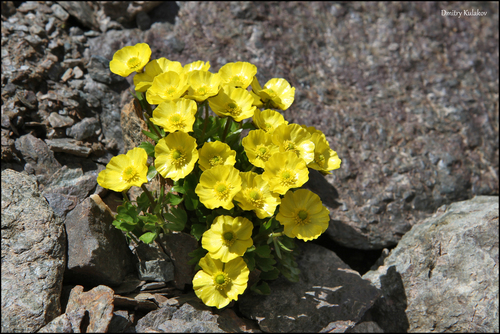
Buttercups are flowering plants known for their bright, cup-shaped blooms, but they contain compounds that can cause irritation if ingested. They are generally considered toxic to household pets due to the presence of protoanemonin.
Potentially toxic for cats & dogs.
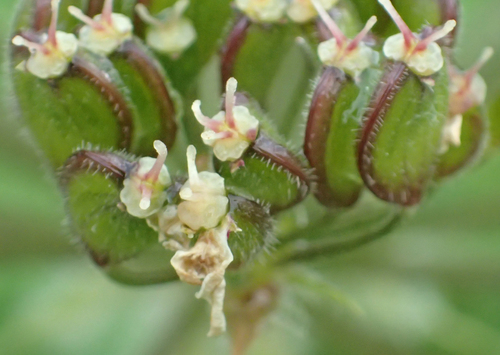
Cow parsnip is a large, herbaceous perennial member of the carrot family known for its tall stature and umbrella-like flower clusters. It contains furanocoumarins that can cause significant skin and mucosal irritation upon contact.
Potentially toxic for cats & dogs.
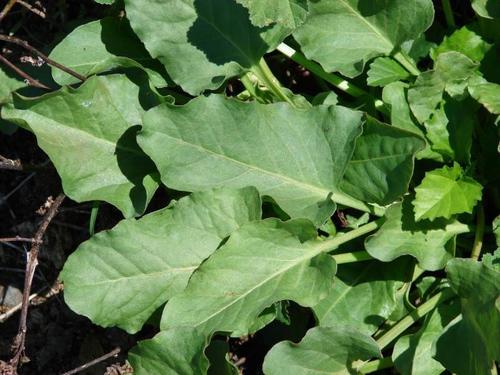
Dock is a genus of perennial herbs often found in fields and gardens that contains soluble calcium oxalates. Ingestion of any part of the plant can cause irritation to the mouth and digestive tract.
Potentially toxic for cats & dogs.
The peony is a popular garden perennial known for its large, showy blooms. While prized for its beauty, all parts of the plant contain paeonol, which can cause gastrointestinal distress if ingested by pets.
Potentially toxic for cats & dogs.