Dogs
Potentially toxicConsulted references classify the plant as toxic or irritating for that pet type.
Verified against ASPCA/provenance audit 2026-05-06 on May 6, 2026.
Sources
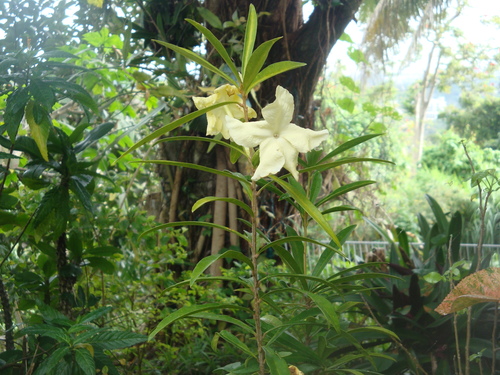
Brunfelsia species
Brunfelsia is a genus of flowering shrubs known for their fragrant, color-changing blooms. All parts of the plant are considered toxic to pets if ingested.
Safety status
Dogs
Potentially toxicConsulted references classify the plant as toxic or irritating for that pet type.
Verified against ASPCA/provenance audit 2026-05-06 on May 6, 2026.
Sources
Dogs are the species most commonly poisoned by yesterday-today-and-tomorrow — an ASPCA APCC review found 38 cases involving 42 dogs over five years, with no exposures recorded in other species. The plant's brunfelsamidine and related alkaloids cause severe, potentially fatal neurological signs, and seeds and seed pods are the most concentrated source.
Early signs are agitation, nervousness, or excitement followed by hypersalivation, vomiting, and diarrhea. Neurological signs progress to muscle tremors, shaking, muscular rigidity, paddling, incoordination, and tonic-clonic seizures that can recur for several days. Coughing and lethargy are also reported.
Clinical signs typically begin within 2 hours of exposure, sometimes longer, and can progress over hours to days. Seizures may continue for several days and require inpatient management.
Call immediately. Any suspected ingestion is an emergency, and any tremor, twitching, or seizure is a reason to drive to the ER vet right now. Phone the ASPCA APCC (888-426-4435) or Pet Poison Helpline (855-764-7661) on the way.
Bring any chewed plant material, seeds, or seed pods (or a clear photo) to the clinic so the team can confirm Brunfelsia. Do not induce vomiting at home, especially if your dog is tremoring or seizing — call ASPCA APCC (888-426-4435) or Pet Poison Helpline (855-764-7661) and follow their instructions while you transport.
Sources: ASPCA, dvm360 (Brunfelsia toxicology brief).
If a pet has chewed or swallowed plant material and is showing symptoms, contact a veterinarian or poison resource immediately. This product is for structured reference, not diagnosis.
Dogs — concern notes
Common signs
Vomiting, excessive salivation, muscle tremors, incoordination, and seizures.
Escalation note
The plant contains alkaloids that can cause severe systemic distress. Seek veterinary care promptly if your dog has consumed any part of this plant.
Safer alternatives
No hand-picked alternatives for this plant yet. You can still pick your own using the Compare button on any other plant.
ASPCA Toxic Plant List
toxicology · 99% reliability
Brunfelsia species are listed as toxic to both cats and dogs.
Yes. Yesterday-Today-and-Tomorrow (Brunfelsia species) is toxic to dogs — all parts of the plant are considered dangerous if ingested. It contains alkaloids that can cause severe systemic distress, including neurological signs like muscle tremors and seizures.
Early signs include agitation, nervousness, excessive salivation, vomiting, and diarrhea. These can progress to muscle tremors, shaking, muscular rigidity, incoordination, and tonic-clonic seizures. Symptoms typically begin within 2 hours of ingestion and can recur for several days, sometimes requiring inpatient veterinary management.
Call ASPCA Animal Poison Control (888-426-4435) or Pet Poison Helpline (855-764-7661) immediately and head to an emergency vet — any suspected ingestion is an emergency. Do not induce vomiting at home, especially if your dog is already tremoring or seizing. Bring any chewed plant material, seeds, or seed pods (or a clear photo) so the veterinary team can confirm the plant.
Yes, seizures are a documented and serious risk. Clinical signs typically begin within 2 hours of exposure but can take longer, and neurological signs — including tonic-clonic seizures — can progress over hours to days. Seizures may continue for several days and often require inpatient management, so prompt veterinary care is critical even if your dog initially seems only mildly affected.
Same dog verdict
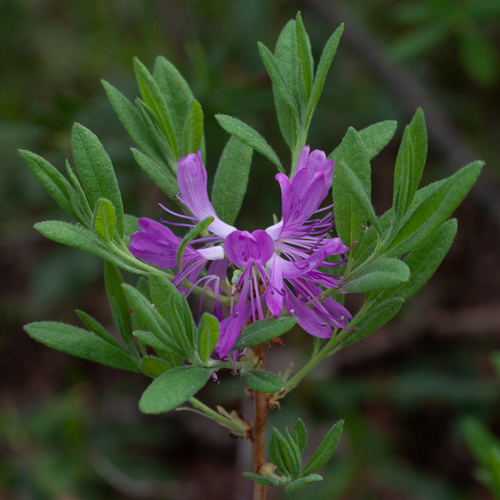
Azaleas are flowering shrubs in the Rhododendron genus that contain grayanotoxins, which can cause significant illness if ingested by pets. These plants are highly toxic and require immediate veterinary attention if consumption is suspected.
Potentially toxic for cats & dogs.
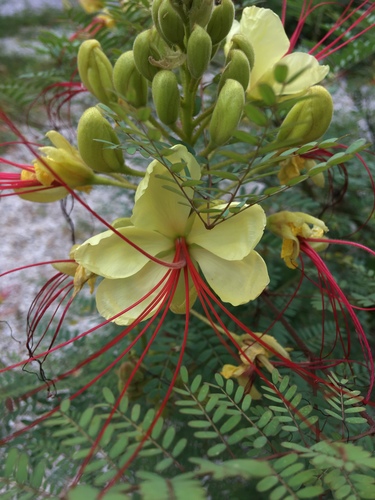
Barbados Pride is a flowering shrub known for its striking yellow flowers and long red stamens. It contains compounds that can cause gastrointestinal distress if ingested by pets.
Potentially toxic for cats & dogs.
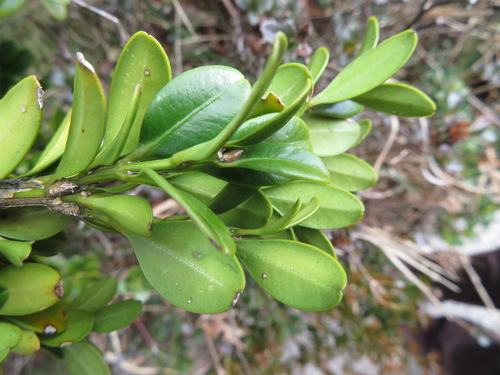
Boxwood is a popular evergreen shrub often used for hedging and topiary, containing steroidal alkaloids that can cause gastrointestinal distress if ingested. It is considered toxic to both cats and dogs.
Potentially toxic for cats & dogs.
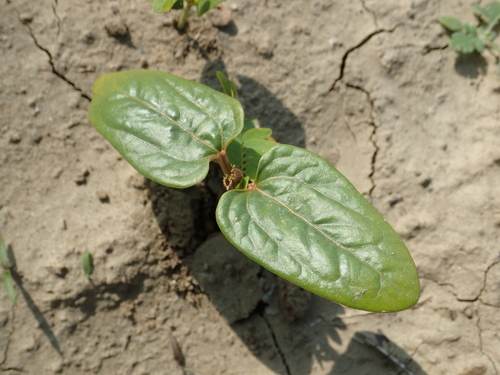
The African Wonder Tree is a fast-growing ornamental shrub known for its large, palm-like leaves and unique seed pods. It contains ricin, a highly potent toxin found throughout the plant, with the highest concentration in the seeds.
Potentially toxic for cats & dogs.