Dogs
Potentially toxicConsulted references classify the plant as toxic or irritating for that pet type.
Verified against ASPCA/provenance audit 2026-05-06 on May 6, 2026.
Sources
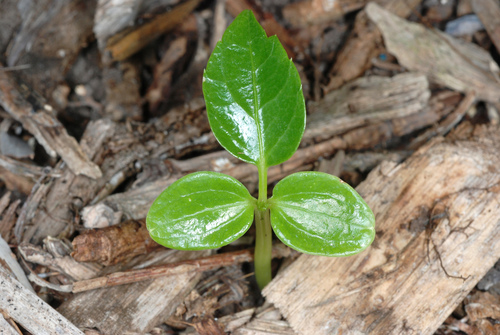
Brassaia actinophylla
The Australian Ivy Palm is a popular indoor tree known for its large, umbrella-like leaves. It contains insoluble calcium oxalate crystals that can cause irritation upon ingestion.
Safety status
Dogs
Potentially toxicConsulted references classify the plant as toxic or irritating for that pet type.
Verified against ASPCA/provenance audit 2026-05-06 on May 6, 2026.
Sources
Dogs that chew Australian Ivy Palm — sold under names like schefflera or umbrella tree — get a mouthful of insoluble calcium oxalate crystals plus terpenoids and saponins. The reaction is sharp local pain rather than systemic poisoning, so most dogs ride it out with oral irritation and a bout of vomiting and recover with supportive care.
Pawing at the mouth and head-shaking come first, often within minutes of chewing, followed by heavy drooling. Watch for swelling around the lips, tongue, or throat, repeated vomiting, and reluctance to eat. Severe airway swelling is rare but is the reason this isn't a watch-and-wait plant.
Oral irritation typically begins within minutes of contact; with supportive care most dogs are back to normal within 12–24 hours. Fatalities are extremely rare.
Call your vet or ASPCA Poison Control at (888) 426-4435 any time you see persistent drooling, mouth or tongue swelling, refusal to eat, or repeated vomiting. Go in immediately if your dog is struggling to breathe or swallow.
Remove any plant material still in the mouth and gently flush your dog's mouth with cool water before calling. Do not induce vomiting unless a veterinarian or poison-control specialist tells you to.
Sources: ASPCA, Pet Poison Helpline.
If a pet has chewed or swallowed plant material and is showing symptoms, contact a veterinarian or poison resource immediately. This product is for structured reference, not diagnosis.
Dogs — concern notes
Common signs
Oral irritation, excessive drooling, vomiting, and difficulty swallowing due to tissue irritation.
Escalation note
Ingestion typically results in localized irritation rather than systemic poisoning. Contact your veterinarian if you suspect your dog has consumed any part of the plant.
Safer alternatives
No hand-picked alternatives for this plant yet. You can still pick your own using the Compare button on any other plant.
ASPCA Toxic Plant List
toxicology · 99% reliability
Toxic to dogs and cats due to insoluble calcium oxalates.
Yes, Australian Ivy Palm (Brassaia actinophylla) is toxic to dogs. It contains insoluble calcium oxalate crystals that cause oral irritation, excessive drooling, vomiting, and difficulty swallowing. Ingestion typically causes localized irritation rather than systemic poisoning, and most dogs recover within 12–24 hours with supportive care.
Symptoms begin within minutes of chewing and usually start with pawing at the mouth and head-shaking, followed by heavy drooling and oral irritation. Watch for swelling around the lips, tongue, or throat, repeated vomiting, and reluctance to eat. Severe airway swelling is rare but possible, which is why this plant warrants prompt attention rather than a wait-and-see approach.
Remove any plant material remaining in your dog's mouth and gently flush the mouth with cool water. Do not induce vomiting unless directed by a veterinarian or poison-control specialist. Then call your vet or ASPCA Animal Poison Control at (888) 426-4435—go in immediately if your dog is struggling to breathe or swallow.
The irritating agent in Australian Ivy Palm is insoluble calcium oxalate crystals, which are present throughout the plant. When a dog chews any part of it, these microscopic crystals embed in the soft tissue of the mouth, tongue, and throat, causing the burning sensation and inflammation behind all the classic symptoms.
Same dog verdict
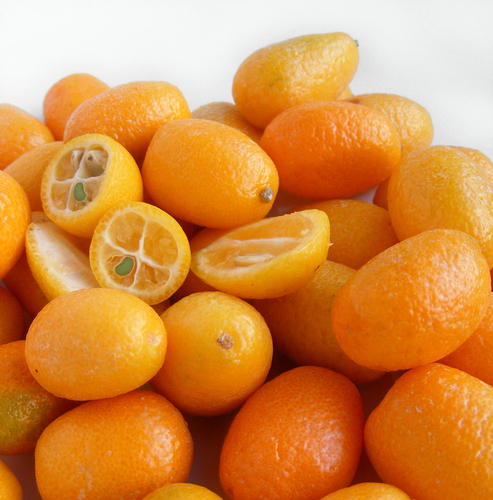
The Calamondin Orange is a small citrus tree often grown as an ornamental houseplant for its fragrant flowers and small, edible-looking fruit. It contains essential oils and psoralens that can cause irritation if ingested or touched by pets.
Potentially toxic for cats & dogs.
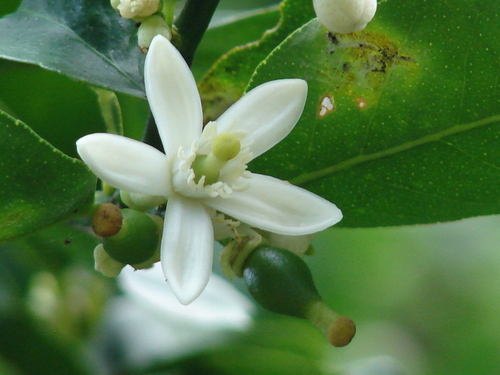
The lime tree is a citrus species known for its aromatic foliage and fruit. While popular as a houseplant, all parts of the plant contain essential oils and psoralens that can be harmful to pets if ingested.
Potentially toxic for cats & dogs.
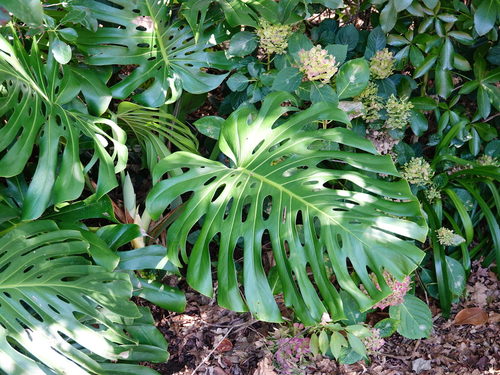
Monstera deliciosa is a popular tropical houseplant known for its large, fenestrated leaves and vining growth habit. It contains insoluble calcium oxalate crystals that can cause irritation if ingested by pets.
Potentially toxic for cats & dogs.
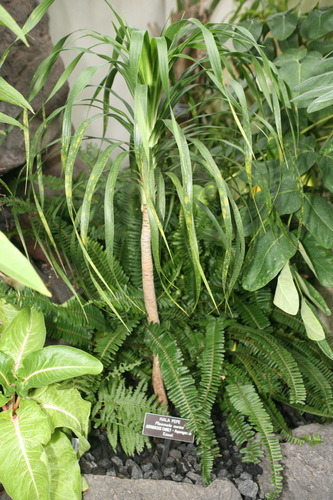
Dracaena trifasciata is a popular, hardy houseplant known for its stiff, sword-like leaves with striking yellow margins. It is widely appreciated for its air-purifying qualities and ability to thrive in various indoor conditions.
Potentially toxic for cats & dogs.