Cats
Potentially toxicConsulted references classify the plant as toxic or irritating for that pet type.
Verified against ASPCA/provenance audit 2026-05-06 on May 6, 2026.
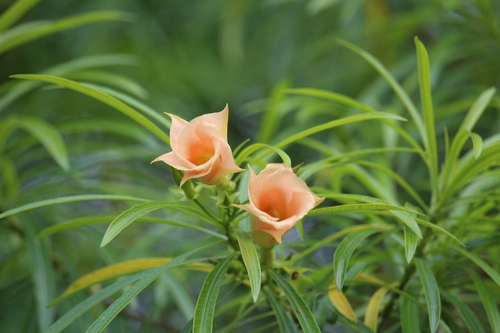
Thevetia peruviana
Yellow Oleander is a highly toxic evergreen shrub known for its bright, trumpet-shaped yellow flowers and narrow, leathery leaves. All parts of this plant contain potent cardiac glycosides that are dangerous if ingested by pets.
Safety status
Cats
Potentially toxicConsulted references classify the plant as toxic or irritating for that pet type.
Verified against ASPCA/provenance audit 2026-05-06 on May 6, 2026.
Cats are at serious risk from yellow oleander — every part of the plant contains cardenolide cardiac glycosides that disrupt the heart's electrical activity. Cats are typically more sensitive than dogs to cardiac glycosides, so even a few chewed leaves should be treated as a medical emergency.
Watch first for drooling, vomiting, and diarrhea. Cardiac signs follow: a slow, fast, or irregular heartbeat, weakness, cold extremities, dilated pupils, tremors, and in severe cases collapse. Hyperkalemia (high potassium from the glycoside effect on cardiac cells) can show up as profound weakness.
Cardiac signs can appear within minutes to a few hours of ingestion and may continue for 24+ hours; cardiac glycoside intoxications can be fatal without aggressive intervention. Exact onset and duration are not well documented for cats specifically.
Call immediately. Any suspected ingestion of yellow oleander by a cat is a same-hour emergency — drive to a vet or emergency clinic and call the ASPCA APCC (888-426-4435) or Pet Poison Helpline (855-764-7661) on the way. Do not wait for symptoms to appear.
Remove any remaining plant material from your cat's mouth and surroundings and bring a sample (or a clear photo) to the clinic for identification. Do not induce vomiting and do not give activated charcoal at home — call ASPCA APCC (888-426-4435) or Pet Poison Helpline (855-764-7661) and follow their instructions while you transport your cat.
Sources: ASPCA, NC State Extension.
If a pet has chewed or swallowed plant material and is showing symptoms, contact a veterinarian or poison resource immediately. This product is for structured reference, not diagnosis.
Cats — concern notes
Common signs
Drooling, vomiting, diarrhea, abnormal heart rate, tremors, and potential collapse.
Escalation note
This plant is considered highly toxic. Ingestion of even small amounts can lead to severe cardiac distress. Please contact your veterinarian or an animal poison control center immediately if ingestion is suspected.
Safer alternatives
No hand-picked alternatives for this plant yet. You can still pick your own using the Compare button on any other plant.
NC State Extension Plant Toolbox
botanical · 94% reliability
Thevetia peruviana is a poisonous plant that should be kept away from pets and children.
Yes, yellow oleander (Thevetia peruviana) is highly toxic to cats. All parts of the plant — leaves, flowers, seeds, and stems — contain potent cardiac glycosides, and ingestion of even a small amount can cause severe cardiac distress.
Early signs include drooling, vomiting, and diarrhea. These are followed by cardiac signs: a slow, fast, or irregular heartbeat, weakness, cold extremities, dilated pupils, and tremors. In severe cases, profound weakness from high potassium (hyperkalemia) and collapse can occur. Cardiac signs can appear within minutes to a few hours of ingestion and may persist for 24 hours or more.
This is a same-hour emergency — do not wait for symptoms. Remove any plant material from your cat's mouth, do not induce vomiting, and do not give activated charcoal at home. Call ASPCA Animal Poison Control (888-426-4435) or Pet Poison Helpline (855-764-7661) immediately and transport your cat to a vet or emergency clinic while you're on the phone with them. Bring a sample or clear photo of the plant for identification.
Every part of the plant is dangerous — the leaves, flowers, seeds, and stems all contain cardiac glycosides. There is no safe part to expose your cat to, and no minimum 'safe' dose has been established; even small ingestions can lead to fatal cardiac toxicity without aggressive veterinary intervention.
Same cat verdict
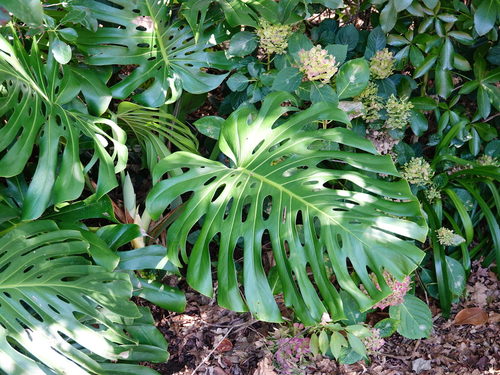
Monstera deliciosa is a popular tropical houseplant known for its large, fenestrated leaves and vining growth habit. It contains insoluble calcium oxalate crystals that can cause irritation if ingested by pets.
Potentially toxic for cats & dogs.
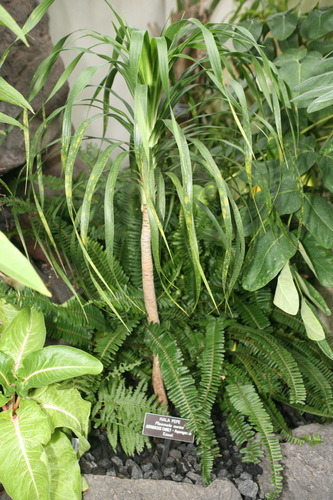
Dracaena trifasciata is a popular, hardy houseplant known for its stiff, sword-like leaves with striking yellow margins. It is widely appreciated for its air-purifying qualities and ability to thrive in various indoor conditions.
Potentially toxic for cats & dogs.
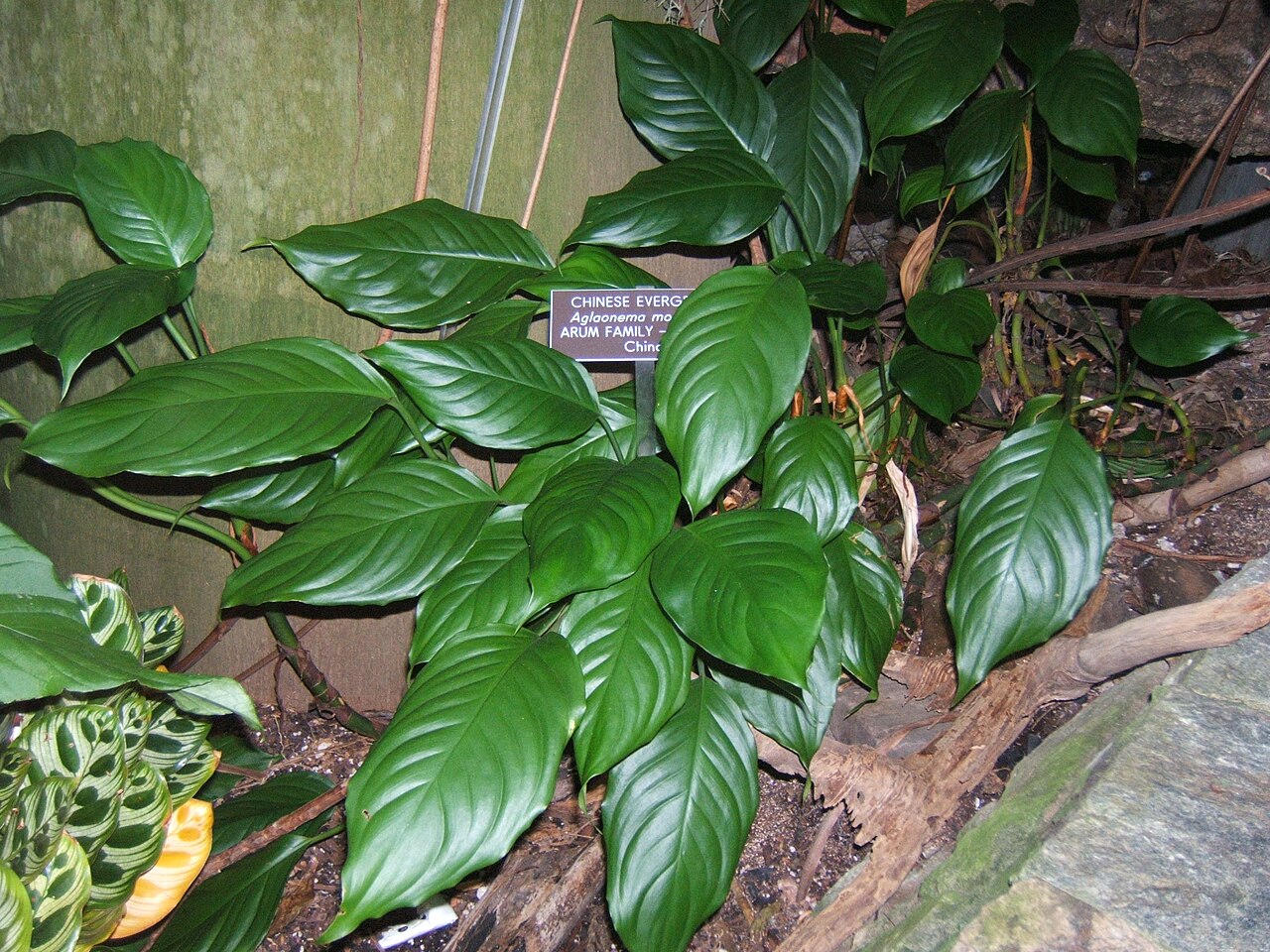
Chinese Evergreen is a popular indoor foliage plant known for its patterned leaves and tolerance of low light conditions. It contains insoluble calcium oxalate crystals that can cause irritation if ingested or chewed.
Potentially toxic for cats & dogs.
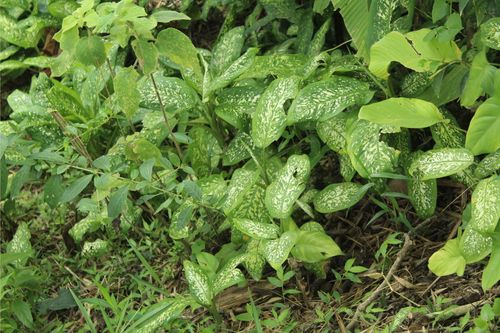
Dieffenbachia is a popular tropical houseplant known for its large, variegated leaves. It contains insoluble calcium oxalate crystals that can cause irritation if ingested or chewed.
Potentially toxic for cats & dogs.