Dogs
Potentially toxicConsulted references classify the plant as toxic or irritating for that pet type.
Verified against ASPCA/provenance audit 2026-05-06 on May 6, 2026.
Sources
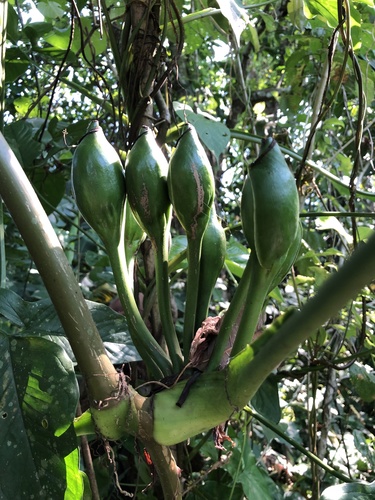
Syngonium podophyllum
Syngonium podophyllum is a popular tropical vining plant known for its arrow-shaped leaves that change form as the plant matures. It contains insoluble calcium oxalate crystals which can cause irritation if ingested by pets.
Safety status
Dogs
Potentially toxicConsulted references classify the plant as toxic or irritating for that pet type.
Verified against ASPCA/provenance audit 2026-05-06 on May 6, 2026.
Sources
Dogs that chew arrowhead vine get an immediate, painful surprise: the leaves and stems are packed with insoluble calcium oxalate crystals that pierce the soft tissues of the mouth on contact. Most cases stay limited to oral pain and drooling rather than progressing to anything systemic, but the dog will be visibly uncomfortable within minutes.
The first signs are almost always oral: pawing at the mouth, head-shaking, foamy drooling, and a refusal to eat or drink. You may see swelling or redness of the lips, tongue, or gums. Some dogs vomit once or twice. Difficulty swallowing, repeated retching, or any swelling that affects breathing is the more severe end of the spectrum and is uncommon but real.
Oral pain and drooling typically begin within minutes of chewing. Most cases resolve within 24 hours with supportive care; the ASPCA and Pet Poison Helpline both characterize calcium-oxalate plant exposures as generally short-lived with no lasting effects.
Call your vet (or ASPCA Poison Control at 888-426-4435) any time you see persistent drooling that doesn't subside within 30–60 minutes, visible swelling of the mouth or throat, repeated vomiting, refusal to drink water, or any change in breathing. If a small dog has chewed a large amount, call right away rather than waiting.
Remove any plant material from the dog's mouth and wipe the gums and tongue with a damp cloth. Offer something cold and palatable that contains calcium — a small amount of milk, plain yogurt, or cottage cheese — which binds the oxalate crystals and reduces pain. Do not induce vomiting; the irritation has already happened, and vomiting only re-exposes the throat to crystals. Then call your vet for guidance.
Sources: ASPCA, Pet Poison Helpline.
If a pet has chewed or swallowed plant material and is showing symptoms, contact a veterinarian or poison resource immediately. This product is for structured reference, not diagnosis.
Dogs — concern notes
Common signs
Oral irritation, excessive drooling, vomiting, difficulty swallowing, and pawing at the mouth.
Escalation note
Ingestion typically results in immediate discomfort due to the plant's crystalline structure. Always consult a veterinarian if you suspect your dog has consumed any part of this plant.
Safer alternatives
Some links earn us a small commission. They never affect our safety classifications.
ASPCA Toxic Plant List
toxicology · 99% reliability
Arrow-head vine is toxic to both cats and dogs due to the presence of insoluble calcium oxalate crystals.
Yes, the arrowhead plant (Syngonium podophyllum) is toxic to dogs. It contains insoluble calcium oxalate crystals that cause immediate oral irritation, excessive drooling, vomiting, difficulty swallowing, and pawing at the mouth upon ingestion.
The first signs appear within minutes and are almost always oral: pawing at the mouth, head-shaking, foamy drooling, and refusal to eat or drink. You may also see redness or swelling of the lips, tongue, or gums, and some dogs vomit once or twice. Difficulty swallowing or swelling that affects breathing is uncommon but represents the more severe end of the spectrum.
Remove any plant material from your dog's mouth and wipe the gums and tongue with a damp cloth. Offer something cold containing calcium — a small amount of milk, plain yogurt, or cottage cheese — which binds the oxalate crystals and reduces pain. Do not induce vomiting, as this only re-exposes the throat to the crystals. Then call your vet or ASPCA Animal Poison Control at (888) 426-4435 for further guidance.
Oral pain and drooling typically begin within minutes of chewing and most cases resolve within 24 hours with supportive care. The ASPCA characterizes calcium-oxalate plant exposures as generally short-lived with no lasting effects. However, call your vet right away if drooling persists beyond 30–60 minutes, swelling affects breathing, or a small dog has chewed a large amount.
Same dog verdict
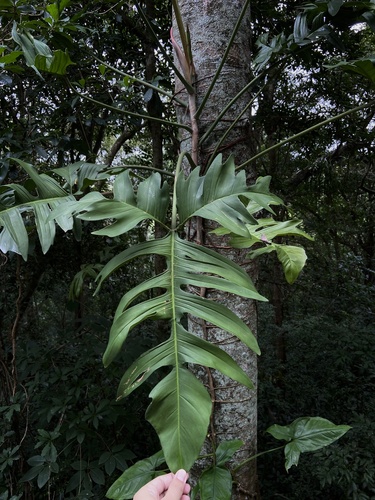
Philodendrons are popular tropical foliage plants known for their lush, heart-shaped or split leaves. They contain insoluble calcium oxalate crystals that can cause irritation if ingested.
Potentially toxic for cats & dogs.
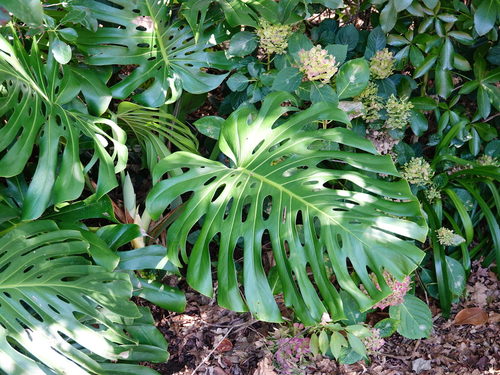
Monstera deliciosa is a popular tropical houseplant known for its large, fenestrated leaves and vining growth habit. It contains insoluble calcium oxalate crystals that can cause irritation if ingested by pets.
Potentially toxic for cats & dogs.
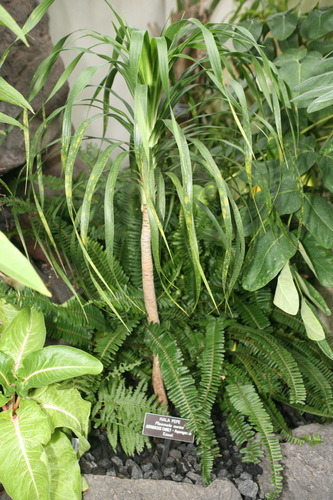
Dracaena trifasciata is a popular, hardy houseplant known for its stiff, sword-like leaves with striking yellow margins. It is widely appreciated for its air-purifying qualities and ability to thrive in various indoor conditions.
Potentially toxic for cats & dogs.
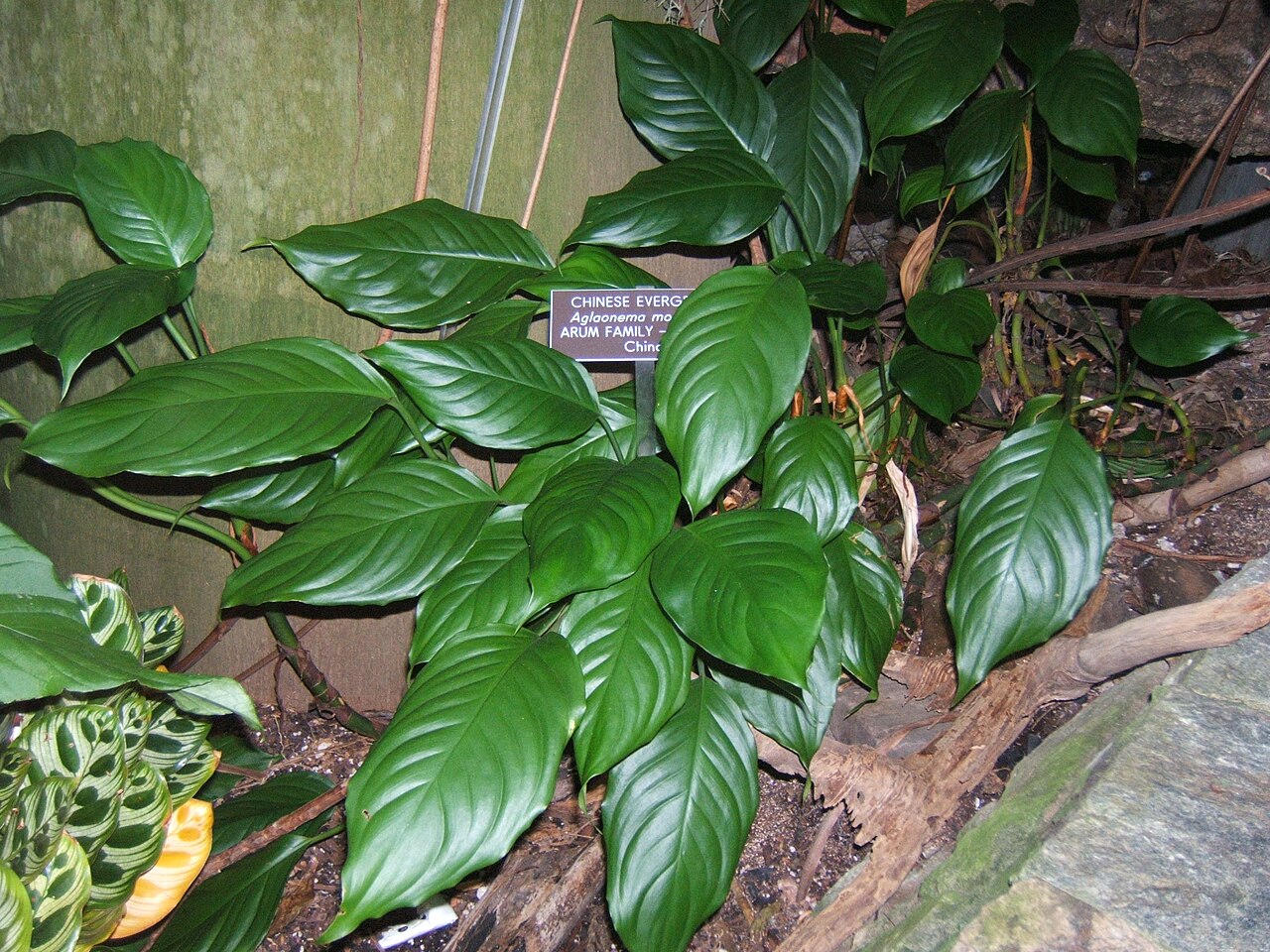
Chinese Evergreen is a popular indoor foliage plant known for its patterned leaves and tolerance of low light conditions. It contains insoluble calcium oxalate crystals that can cause irritation if ingested or chewed.
Potentially toxic for cats & dogs.