Cats
Potentially toxicConsulted references classify the plant as toxic or irritating for that pet type.
Verified against ASPCA/provenance audit 2026-05-06 on May 6, 2026.
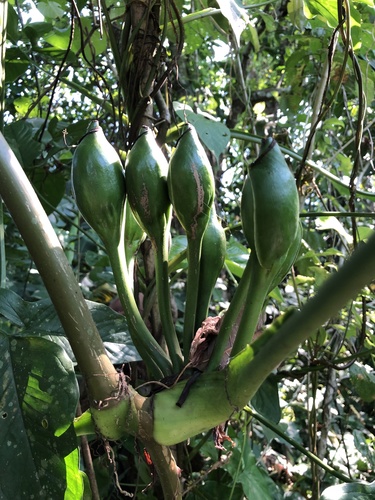
Syngonium podophyllum
Syngonium podophyllum is a popular tropical vining plant known for its arrow-shaped leaves that change form as the plant matures. It contains insoluble calcium oxalate crystals which can cause irritation if ingested by pets.
Safety status
Cats
Potentially toxicConsulted references classify the plant as toxic or irritating for that pet type.
Verified against ASPCA/provenance audit 2026-05-06 on May 6, 2026.
Cats that chew arrowhead leaves get an immediate, sharp burning sensation in the mouth — caused by microscopic calcium-oxalate needles (raphides) embedded in every part of the plant. ASPCA and NC State Extension both classify Syngonium podophyllum as toxic to cats, but it's painful rather than life-threatening; most cats recover within a day with simple supportive care.
Most common: immediate pawing at the mouth, drooling, head shaking, vomiting, lip and tongue swelling, and reluctance to eat. Less common but more concerning: choking sounds, persistent gagging, or visible airway swelling. Symptoms typically appear immediately and almost always within two hours of ingestion.
Signs typically appear immediately or within two hours of ingestion. Most cats recover within 12 to 48 hours with supportive care; severe cases involving airway swelling are rare but require emergency intervention.
Call your vet immediately for any sign of airway swelling — choking sounds, labored breathing, or extreme drooling that doesn't improve within an hour. Also call for vomiting that won't stop, or refusal to eat or drink past the first few hours. Otherwise an after-hours call to ASPCA Animal Poison Control (888-426-4435) for guidance is reasonable.
Per Merck Veterinary Manual guidance for insoluble-oxalate ingestion: rinse the cat's mouth with cool water to flush remaining raphides, then offer milk or yogurt — calcium binds the oxalate crystals and helps clear them from oral tissue. Wipe visible plant residue from fur and paws so it isn't re-ingested. Call your vet if symptoms persist or worsen.
Sources: ASPCA, NC State Extension, Merck Veterinary Manual.
If a pet has chewed or swallowed plant material and is showing symptoms, contact a veterinarian or poison resource immediately. This product is for structured reference, not diagnosis.
Cats — concern notes
Common signs
Oral irritation, intense burning and irritation of the mouth, tongue and lips, excessive drooling, vomiting, and difficulty swallowing.
Escalation note
The presence of insoluble calcium oxalate crystals causes immediate mechanical irritation. If your cat has ingested this plant, please contact your veterinarian or a pet poison control center.
Safer alternatives
Some links earn us a small commission. They never affect our safety classifications.
NC State Extension Plant Toolbox
botanical · 94% reliability
Syngonium podophyllum is a vining plant in the Araceae family, native to tropical regions of Latin America.
Yes, arrowhead plant (Syngonium podophyllum) is toxic to cats. It contains insoluble calcium oxalate crystals that cause immediate mechanical irritation to the mouth, tongue, and lips, along with excessive drooling, vomiting, and difficulty swallowing.
The most common signs are immediate: pawing at the mouth, drooling, head shaking, lip and tongue swelling, and reluctance to eat. Vomiting is also common. Less frequently, cats may show choking sounds, persistent gagging, or visible airway swelling, which require emergency care. Symptoms almost always appear within two hours of ingestion.
Rinse your cat's mouth with cool water to flush out the calcium oxalate crystals, then offer a small amount of milk or yogurt — calcium helps bind and clear the crystals from oral tissue. Wipe any plant residue from fur and paws so it isn't re-ingested. If symptoms persist or worsen, call your vet or ASPCA Animal Poison Control at (888) 426-4435.
All parts of the arrowhead plant contain insoluble calcium oxalate crystals (raphides), which are needle-like structures that physically pierce and irritate soft oral tissue on contact. There is no safe part of the plant for cats to chew or ingest.
Same cat verdict
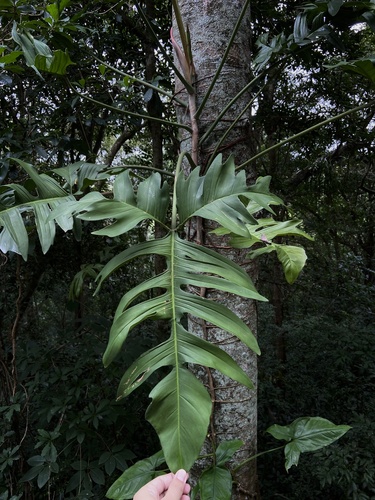
Philodendrons are popular tropical foliage plants known for their lush, heart-shaped or split leaves. They contain insoluble calcium oxalate crystals that can cause irritation if ingested.
Potentially toxic for cats & dogs.
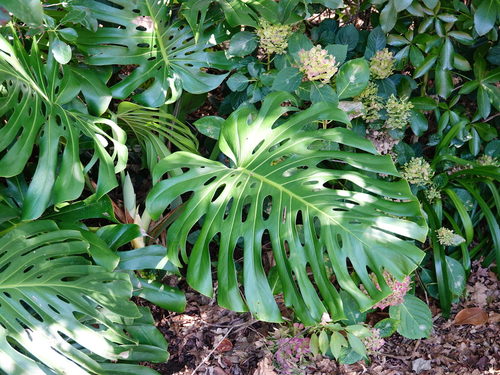
Monstera deliciosa is a popular tropical houseplant known for its large, fenestrated leaves and vining growth habit. It contains insoluble calcium oxalate crystals that can cause irritation if ingested by pets.
Potentially toxic for cats & dogs.
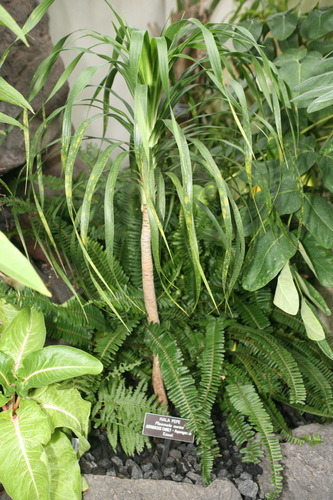
Dracaena trifasciata is a popular, hardy houseplant known for its stiff, sword-like leaves with striking yellow margins. It is widely appreciated for its air-purifying qualities and ability to thrive in various indoor conditions.
Potentially toxic for cats & dogs.
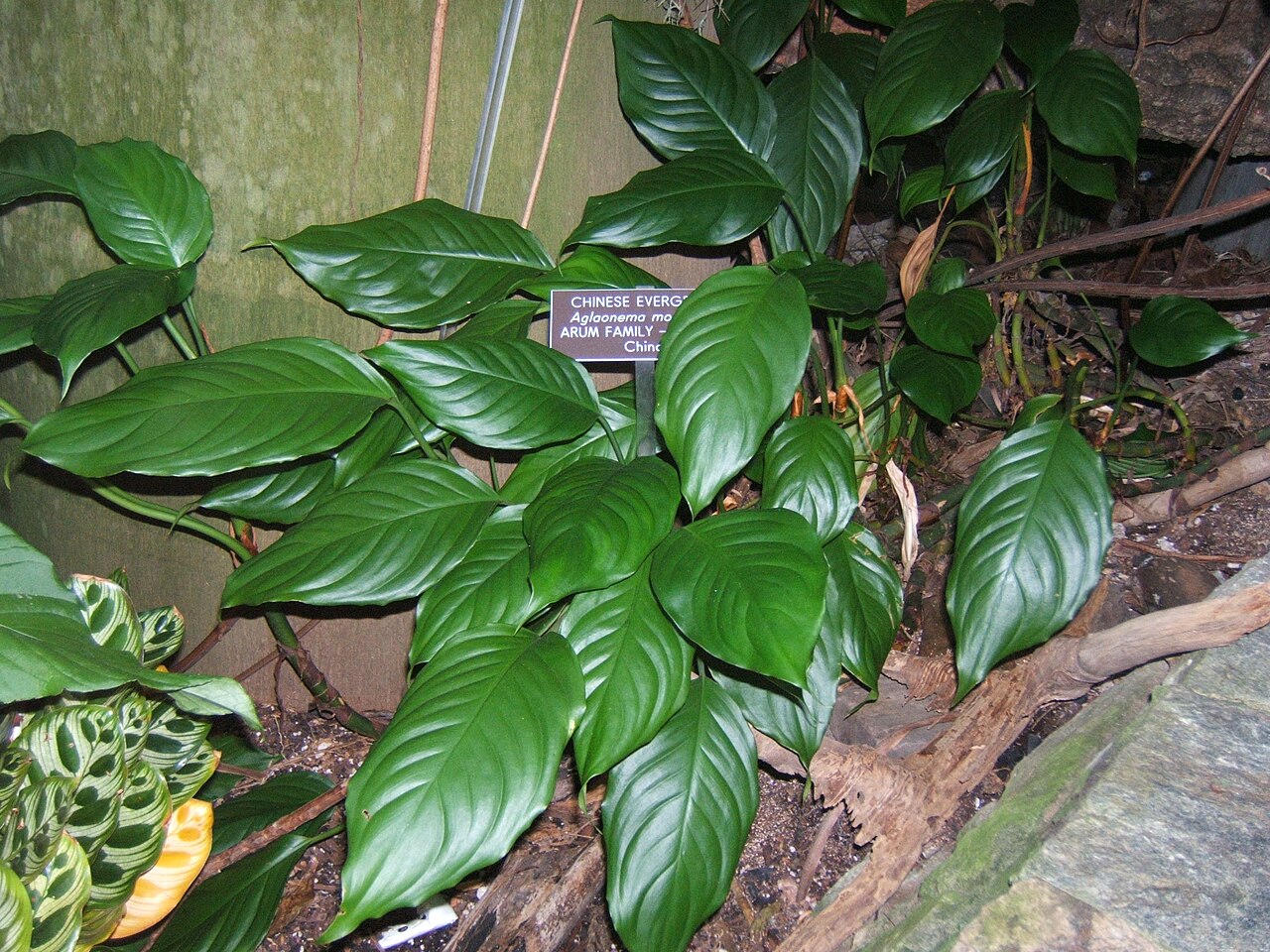
Chinese Evergreen is a popular indoor foliage plant known for its patterned leaves and tolerance of low light conditions. It contains insoluble calcium oxalate crystals that can cause irritation if ingested or chewed.
Potentially toxic for cats & dogs.