Cats
Potentially toxicConsulted references classify the plant as toxic or irritating for that pet type.
Verified against ASPCA/provenance audit 2026-05-06 on May 6, 2026.
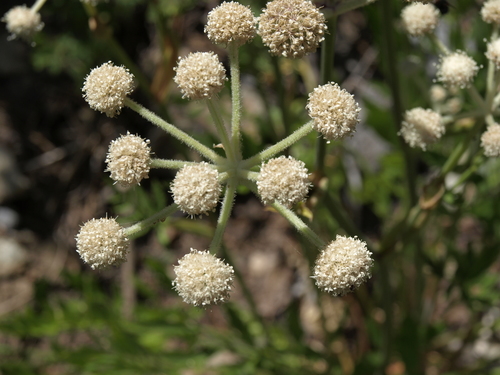
Sphenosciadium capitellatum
Ranger's Button is a perennial herb native to the western United States, known for its distinct, button-like flower clusters. It is considered toxic to pets if ingested and should be kept out of reach.
Safety status
Cats
Potentially toxicConsulted references classify the plant as toxic or irritating for that pet type.
Verified against ASPCA/provenance audit 2026-05-06 on May 6, 2026.
Ranger’s Button is an Apiaceae-family wildflower most often encountered on hikes through wet meadows. ASPCA lists it as toxic to cats, with furanocoumarins as the toxic principle and photosensitization — sunburn-like skin reactions in light-skinned areas after sun exposure — as the chief clinical sign. ASPCA notes large amounts are needed to produce the effect, so most casual exposures are mild.
Most common: redness, irritation, or sunburn-like lesions on light-pigmented or thinly furred areas (nose, ears, eyelids, belly) after exposure plus sunlight. Possible: skin tenderness, itchiness, or scabbing in those areas over the following day or two. ASPCA does not list GI signs as a hallmark for this plant; vomiting or drooling, if seen, would be incidental from chewing the bitter foliage.
ASPCA does not specify exact timing. Furanocoumarin photosensitization typically develops within hours to a couple of days after the ingested or contacted plant material is followed by sun exposure, with skin signs resolving over days once exposure stops.
Call your vet if you see spreading skin lesions, blistering, the skin is painful to the touch, or your cat seems systemically unwell after a known ingestion. Keep an exposed cat indoors and out of direct sunlight while you sort out next steps. ASPCA Animal Poison Control: (888) 426-4435.
Sources: ASPCA (no first-aid guidance).
If a pet has chewed or swallowed plant material and is showing symptoms, contact a veterinarian or poison resource immediately. This product is for structured reference, not diagnosis.
Cats — concern notes
Common signs
Drooling, vomiting, diarrhea, and potential lethargy.
Escalation note
Ingestion can cause gastrointestinal distress. Please contact your veterinarian immediately if you suspect your cat has consumed any part of this plant.
Safer alternatives
No hand-picked alternatives for this plant yet. You can still pick your own using the Compare button on any other plant.
Keep your cat indoors and away from direct sunlight right away to prevent photosensitization from developing. Call your vet if you notice spreading skin lesions, blistering, pain on touch, or your cat seems systemically unwell. For immediate guidance, contact the ASPCA Animal Poison Control Center at (888) 426-4435.
Yes, Ranger's Button (Sphenosciadium capitellatum) is considered potentially toxic to cats. It contains furanocoumarins, which can cause photosensitization — meaning skin damage triggered by sun exposure after contact or ingestion.
The most notable signs are redness, irritation, or sunburn-like lesions on light-pigmented or thinly furred skin (nose, ears, eyelids, belly) that develop within hours to a couple of days after exposure followed by sunlight. You may also see skin tenderness, itchiness, or scabbing in those areas. Drooling or vomiting can occur incidentally from chewing the bitter foliage.
The furanocoumarins responsible for photosensitization are present in the plant material itself — both ingestion and skin contact can lead to sensitization. The skin reaction only manifests after the cat is subsequently exposed to sunlight, so keeping an exposed cat indoors and out of direct sun is an important immediate step.
Same cat verdict
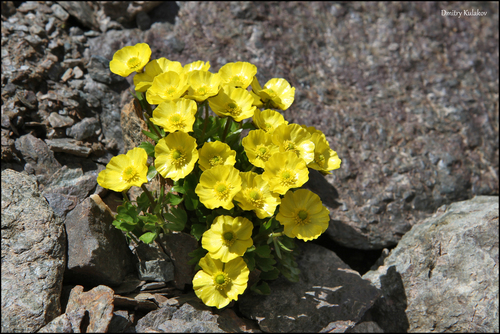
Buttercups are flowering plants known for their bright, cup-shaped blooms, but they contain compounds that can cause irritation if ingested. They are generally considered toxic to household pets due to the presence of protoanemonin.
Potentially toxic for cats & dogs.
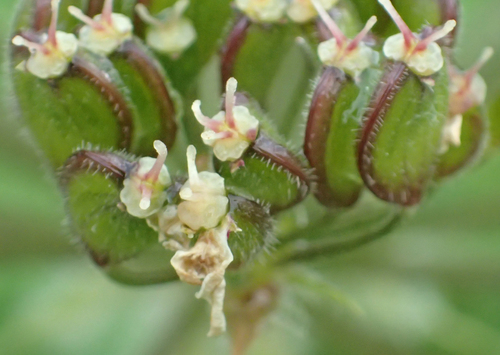
Cow parsnip is a large, herbaceous perennial member of the carrot family known for its tall stature and umbrella-like flower clusters. It contains furanocoumarins that can cause significant skin and mucosal irritation upon contact.
Potentially toxic for cats & dogs.
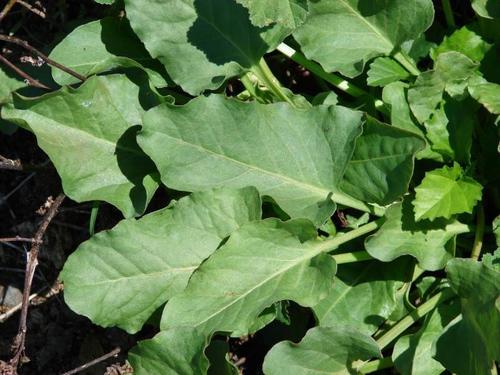
Dock is a genus of perennial herbs often found in fields and gardens that contains soluble calcium oxalates. Ingestion of any part of the plant can cause irritation to the mouth and digestive tract.
Potentially toxic for cats & dogs.
The peony is a popular garden perennial known for its large, showy blooms. While prized for its beauty, all parts of the plant contain paeonol, which can cause gastrointestinal distress if ingested by pets.
Potentially toxic for cats & dogs.