Cats
Potentially toxicConsulted references classify the plant as toxic or irritating for that pet type.
Verified against ASPCA/provenance audit 2026-05-06 on May 6, 2026.
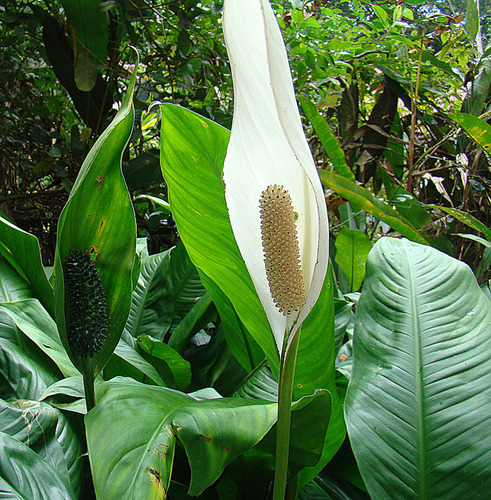
Spathiphyllum
The Mauna Loa Peace Lily is a popular indoor plant known for its elegant white spathes and lush foliage. It contains insoluble calcium oxalate crystals that can cause irritation upon contact or ingestion.
Safety status
Cats
Potentially toxicConsulted references classify the plant as toxic or irritating for that pet type.
Verified against ASPCA/provenance audit 2026-05-06 on May 6, 2026.
Despite the name, the peace lily is not a true lily — it won't cause kidney failure the way a Lilium does. It is, however, packed with insoluble calcium oxalate crystals that fire into a cat's tongue and gums the moment she chews a leaf. Reactions are painful and instant, but in most cats they stay confined to the mouth and GI tract and resolve within a few days with supportive care.
Almost immediate pawing at the mouth, lip smacking, and head shaking. Heavy drooling, decreased appetite, and vomiting (sometimes with visible leaf bits) typically follow within minutes. Watch for ongoing refusal to eat or drink — the mouth pain can keep cats from drinking, and dehydration is the more common follow-on problem than airway swelling.
Signs appear within minutes to a couple of hours of chewing. With appropriate care, symptoms typically resolve within 1–3 days without lasting effects.
Call your vet or Pet Poison Helpline (855-764-7661) if drooling lasts more than an hour, your cat refuses food or water, vomiting persists, or you see any swelling of the mouth or face. Severe oral swelling or any change in breathing is an emergency — go straight to a clinic.
Take the plant material away and gently rinse your cat's mouth with cool water to wash out remaining crystals. Do not induce vomiting. Then call your vet or Pet Poison Helpline for next steps.
Sources: ASPCA, Pet Poison Helpline.
If a pet has chewed or swallowed plant material and is showing symptoms, contact a veterinarian or poison resource immediately. This product is for structured reference, not diagnosis.
Cats — concern notes
Common signs
Oral irritation, intense burning and irritation of the mouth, tongue and lips, excessive drooling, vomiting, and difficulty swallowing.
Escalation note
Symptoms are generally localized to the mouth and gastrointestinal tract. If your cat has ingested any part of this plant, please contact your veterinarian or a pet poison control center immediately.
Safer alternatives
Some links earn us a small commission. They never affect our safety classifications.
Yes, peace lily (Spathiphyllum) is toxic to cats. It contains insoluble calcium oxalate crystals that cause oral irritation, intense burning of the mouth, tongue, and lips, excessive drooling, vomiting, and difficulty swallowing.
Signs appear within minutes: pawing at the mouth, lip smacking, head shaking, and heavy drooling are usually the first clues. Vomiting — sometimes containing visible leaf bits — and decreased appetite typically follow. Watch for refusal to eat or drink, since mouth pain can prevent drinking and lead to dehydration within 1–3 days.
Remove the plant material and gently rinse your cat's mouth with cool water to flush out remaining crystals. Do not induce vomiting. Then call your vet or the ASPCA Animal Poison Control Center at (888) 426-4435 for next steps.
Go straight to a clinic if you see any swelling of the mouth or face or any change in breathing. Call your vet promptly if drooling lasts more than an hour, vomiting persists, or your cat refuses food or water — dehydration is the most common complication. With appropriate care, symptoms typically resolve within 1–3 days without lasting effects.
Same cat verdict
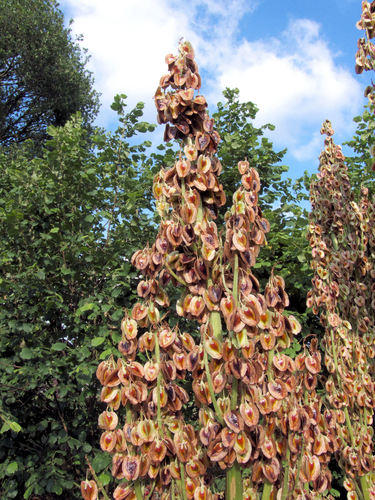
Rhubarb is a perennial vegetable known for its edible stalks, but its leaves contain high levels of soluble oxalate crystals that are harmful if ingested. It is widely grown in gardens for culinary use but requires caution regarding pet access to the foliage.
Potentially toxic for cats & dogs.
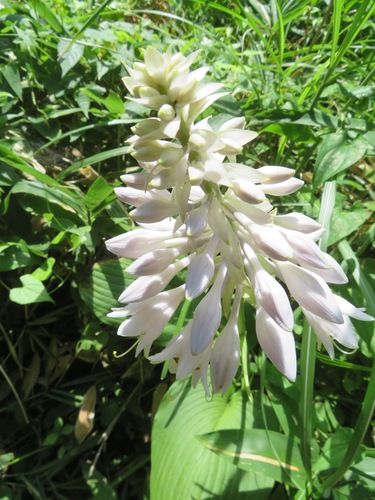
Hosta plantaginea is a popular shade-loving perennial known for its lush, broad foliage and fragrant white flowers. While prized in garden landscapes, it contains saponins that can cause gastrointestinal distress if ingested by pets.
Potentially toxic for cats & dogs.
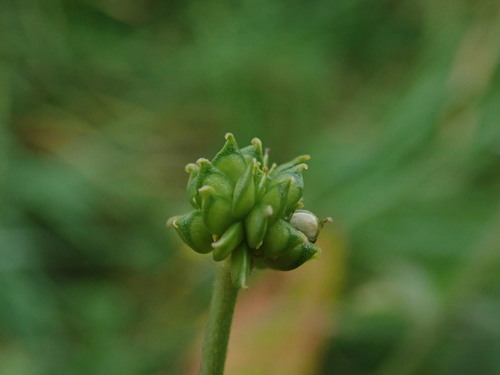
Ranunculus acris is a perennial herbaceous plant known for its bright yellow flowers and presence in meadows. It contains compounds that can cause irritation upon contact or ingestion.
Potentially toxic for cats & dogs.
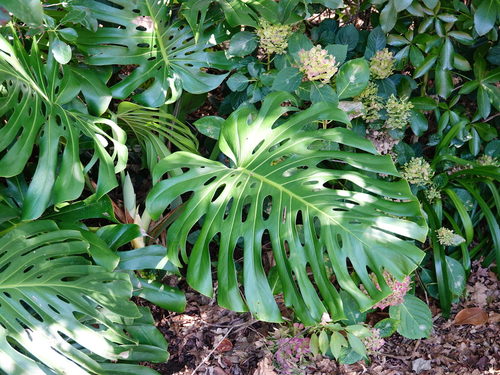
Monstera deliciosa is a popular tropical houseplant known for its large, fenestrated leaves and vining growth habit. It contains insoluble calcium oxalate crystals that can cause irritation if ingested by pets.
Potentially toxic for cats & dogs.