Cats
UncertainIdentity or evidence quality is not strong enough for a firm answer.
Verified against ASPCA/provenance audit 2026-05-06 on May 6, 2026.
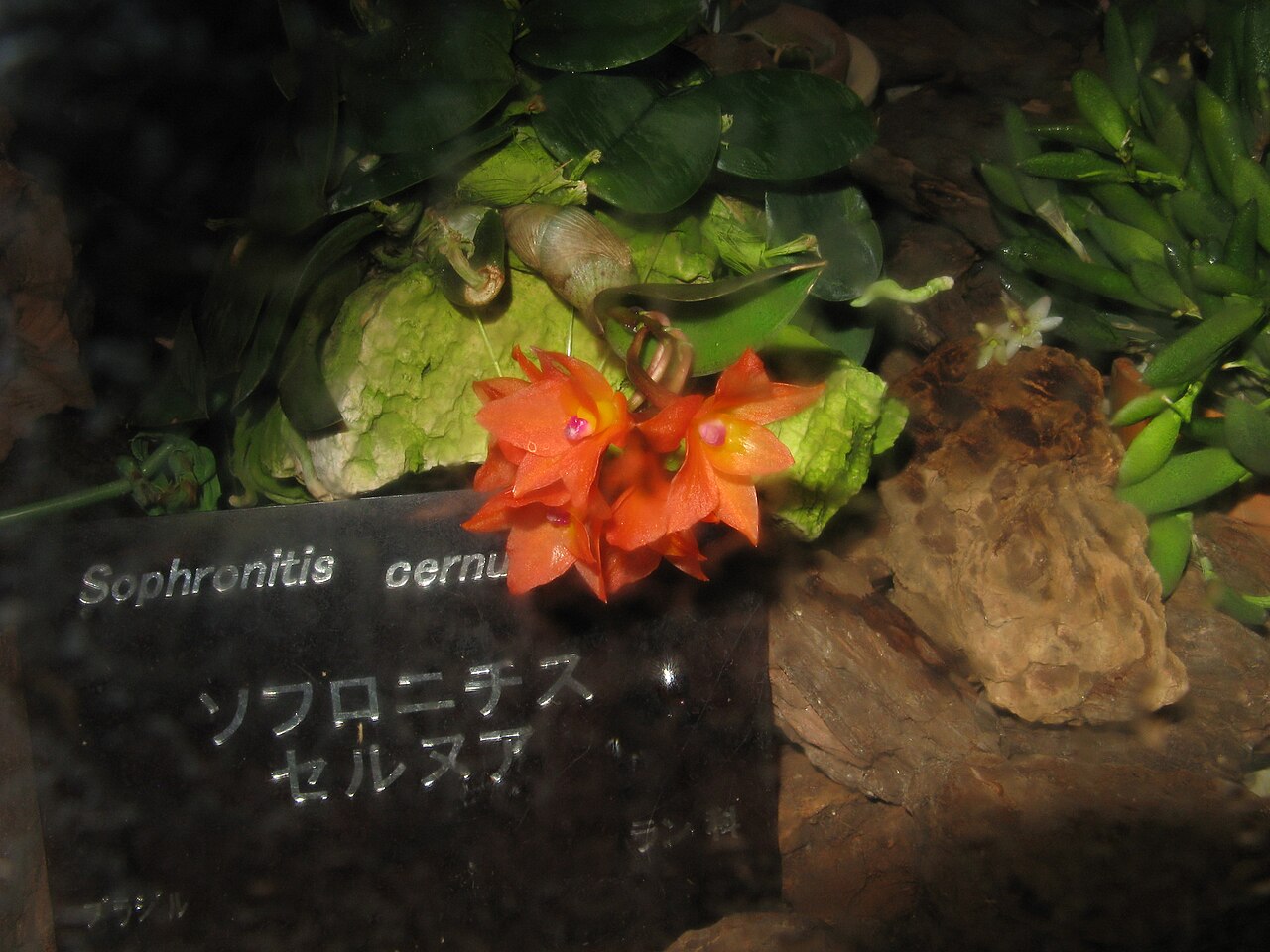
Sophronitis spp.
Sophronitis is a genus of small, epiphytic orchids native to Brazil, known for their vibrant, often red or orange, flowers. They are generally considered safe for household pets, though individual plant parts can cause minor digestive irritation if consumed in large quantities.
Safety status
Cats
UncertainIdentity or evidence quality is not strong enough for a firm answer.
Verified against ASPCA/provenance audit 2026-05-06 on May 6, 2026.
Cats and Brazilian orchids are a safe pairing. ASPCA classifies this plant as non-toxic to cats — there is no documented toxic principle to worry about if a curious cat noses the blooms or pseudobulbs.
Sources: ASPCA.
If a pet has chewed or swallowed plant material and is showing symptoms, contact a veterinarian or poison resource immediately. This product is for structured reference, not diagnosis.
Cats — concern notes
Common signs
No specific toxic syndrome reported; potential for mild oral or gastric irritation due to physical texture.
Escalation note
While not listed as toxic, ingestion of any fibrous plant material may cause vomiting or diarrhea. Contact your veterinarian if your cat displays persistent signs of distress.
Safer alternatives
No hand-picked alternatives for this plant yet. You can still pick your own using the Compare button on any other plant.
Plants of the World Online (Kew)
botanical · 95% reliability
Provides the accepted botanical classification and distribution for the genus Sophronitis.
No — non-toxic means a plant lacks known poisonous compounds, not that it is harmless in any quantity. Even plants like Brazilian Orchid can cause GI upset from fibrous material if a cat eats a significant amount, so it is best kept out of reach.
Brazilian Orchids (Sophronitis spp.) are not listed as toxic to cats. However, the classification is uncertain — there is no well-documented toxic syndrome on record, and ingestion of fibrous plant material can cause mild oral or stomach irritation.
No specific toxic syndrome has been reported for this plant, but the fibrous texture of orchid material can cause mild vomiting or diarrhea if consumed. Persistent or worsening symptoms warrant a call to your veterinarian.
Monitor your cat for vomiting, diarrhea, or signs of oral irritation. If symptoms are mild and brief, supportive care is usually sufficient; if they persist or your cat seems distressed, contact your vet or the ASPCA Animal Poison Control Center at (888) 426-4435.
Same cat verdict
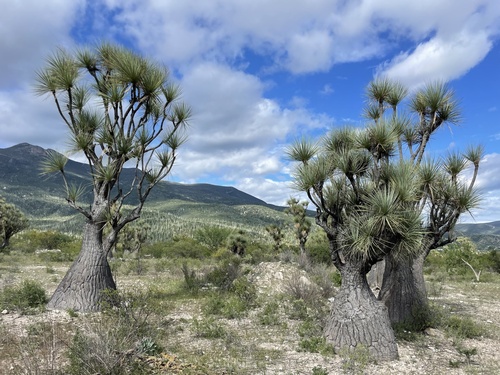
The Bottle Palm is a popular, slow-growing succulent known for its swollen, water-storing trunk and long, arching, grass-like leaves. Despite its common name, it is a member of the Asparagaceae family and is not a true palm.
Uncertain for cats.
Generally safe for dogs.
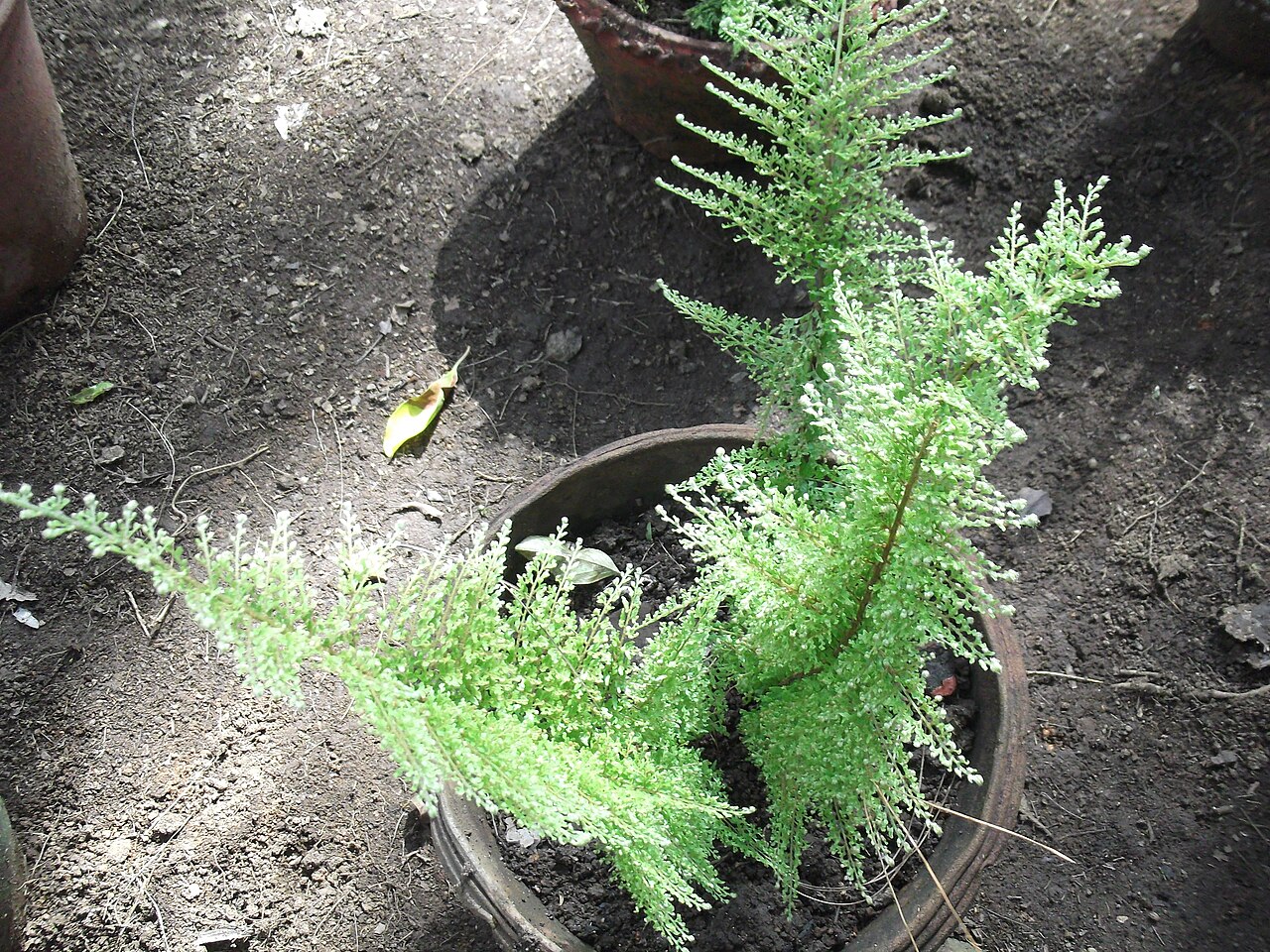
The Boston Fern is a popular, lush houseplant known for its arching fronds and preference for high humidity. It is widely considered safe for pets, though ingestion of any plant material can occasionally cause minor digestive upset.
Uncertain for cats.
Generally safe for dogs.
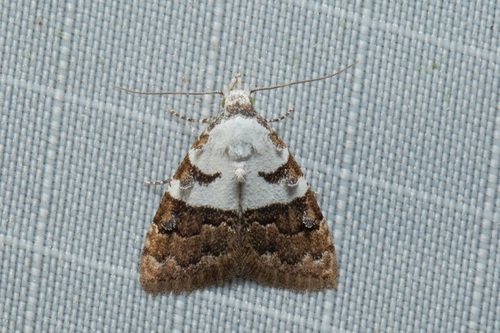
Nolina tuberculata is a slow-growing succulent plant often mistaken for a true palm due to its swollen, bottle-shaped trunk. It is generally considered a safe ornamental choice for households with pets.
Uncertain for cats.
Generally safe for dogs.
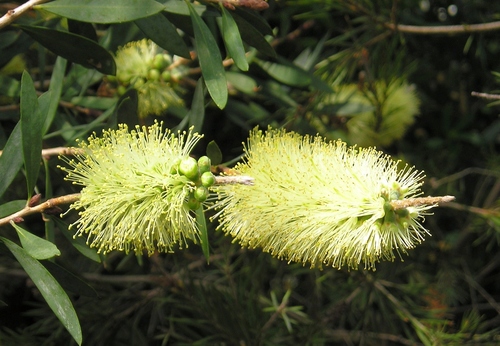
Bottlebrush is a popular ornamental shrub known for its unique, spike-like flowers that resemble traditional bottle-cleaning brushes. It is generally considered safe for household pets, though ingestion of large amounts of plant material may cause minor digestive discomfort.
Uncertain for cats.
Generally safe for dogs.