Cats
UncertainIdentity or evidence quality is not strong enough for a firm answer.
Verified against ASPCA/provenance audit 2026-05-06 on May 6, 2026.
Nolina tuberculata
Nolina tuberculata is a slow-growing succulent plant often mistaken for a true palm due to its swollen, bottle-shaped trunk. It is generally considered a safe ornamental choice for households with pets.
Safety status
Cats
UncertainIdentity or evidence quality is not strong enough for a firm answer.
Verified against ASPCA/provenance audit 2026-05-06 on May 6, 2026.
Dogs
Generally safeConsulted references do not classify the plant as toxic for that pet type, while still allowing for mild GI upset if large amounts are chewed.
Verified against ASPCA/provenance audit 2026-05-06 on May 6, 2026.
If a pet has chewed or swallowed plant material and is showing symptoms, contact a veterinarian or poison resource immediately. This product is for structured reference, not diagnosis.
Cats — concern notes
Common signs
No specific toxic syndrome reported, but ingestion of fibrous plant material may cause minor irritation.
Escalation note
While not listed as toxic, any plant material can cause mechanical GI upset if consumed in large quantities. Contact your veterinarian if you observe persistent vomiting or lethargy.
Dogs — concern notes
Common signs
None expected; potential for mild stomach upset if large amounts of fibrous leaves are ingested.
Escalation note
This plant is non-toxic to dogs. However, as with any non-toxic plant, excessive ingestion may lead to mild digestive discomfort due to the fibrous nature of the foliage. Contact your veterinarian if symptoms persist.
Safer alternatives
No hand-picked alternatives for this plant yet. You can still pick your own using the Compare button on any other plant.
ASPCA Toxic and Non-Toxic Plants List
toxicology · 99% reliability
The ASPCA lists Nolina species as non-toxic to dogs.
Plants of the World Online (Kew)
botanical · 95% reliability
Accepted botanical classification for Nolina tuberculata.
Bottle Palm (Nolina tuberculata) has an uncertain toxicity status — it is not listed as toxic by the ASPCA, but there is also no definitive confirmation that it is safe. No specific toxic syndrome has been reported for cats, but the classification carries low confidence, so it's best to keep your cat away from the plant as a precaution.
No specific toxic symptoms are documented for cats and Bottle Palm. The plant's fibrous material may cause minor GI irritation, and large ingestions of any fibrous plant matter can lead to mechanical upset such as vomiting or lethargy.
Monitor your cat closely for persistent vomiting, lethargy, or loss of appetite. Because Bottle Palm's safety is not fully established, contact your veterinarian if any symptoms develop or if your cat consumed a significant amount; you can also reach the ASPCA Animal Poison Control Center at (888) 426-4435.
Bottle Palm (Nolina tuberculata) is not a true palm — it is a succulent in the Asparagaceae family sometimes mistaken for one due to its swollen trunk. Its toxicity profile is separate from true palms, and as of the last verified review (May 2026), its safety for cats remains uncertain with no specific toxic syndrome on record.
No, Bottle Palm (Nolina tuberculata) is non-toxic to dogs. It is generally considered a safe ornamental plant for households with dogs, according to an ASPCA provenance audit verified in May 2026.
No toxic effects are expected, but the fibrous leaves may cause mild stomach upset if your dog eats a large amount. Watch for vomiting, loose stools, or signs of digestive discomfort, which should resolve on their own.
Because Bottle Palm is non-toxic, serious harm is unlikely, but if your dog ate a significant quantity of the fibrous leaves and is showing persistent vomiting, lethargy, or GI distress, contact your veterinarian. For general pet poison concerns, ASPCA Animal Poison Control is available at (888) 426-4435.
Bottle Palm (Nolina tuberculata) is a succulent, not a true palm — it just resembles one due to its swollen, bottle-shaped trunk. This distinction doesn't change its safety profile: it is non-toxic to dogs, unlike some true palms such as Sago Palm, which is highly dangerous.
Same safety verdict
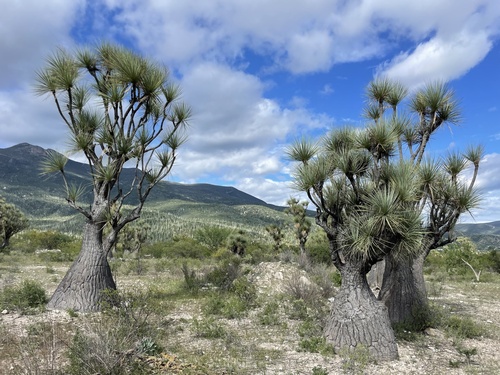
The Bottle Palm is a popular, slow-growing succulent known for its swollen, water-storing trunk and long, arching, grass-like leaves. Despite its common name, it is a member of the Asparagaceae family and is not a true palm.
Uncertain for cats.
Generally safe for dogs.
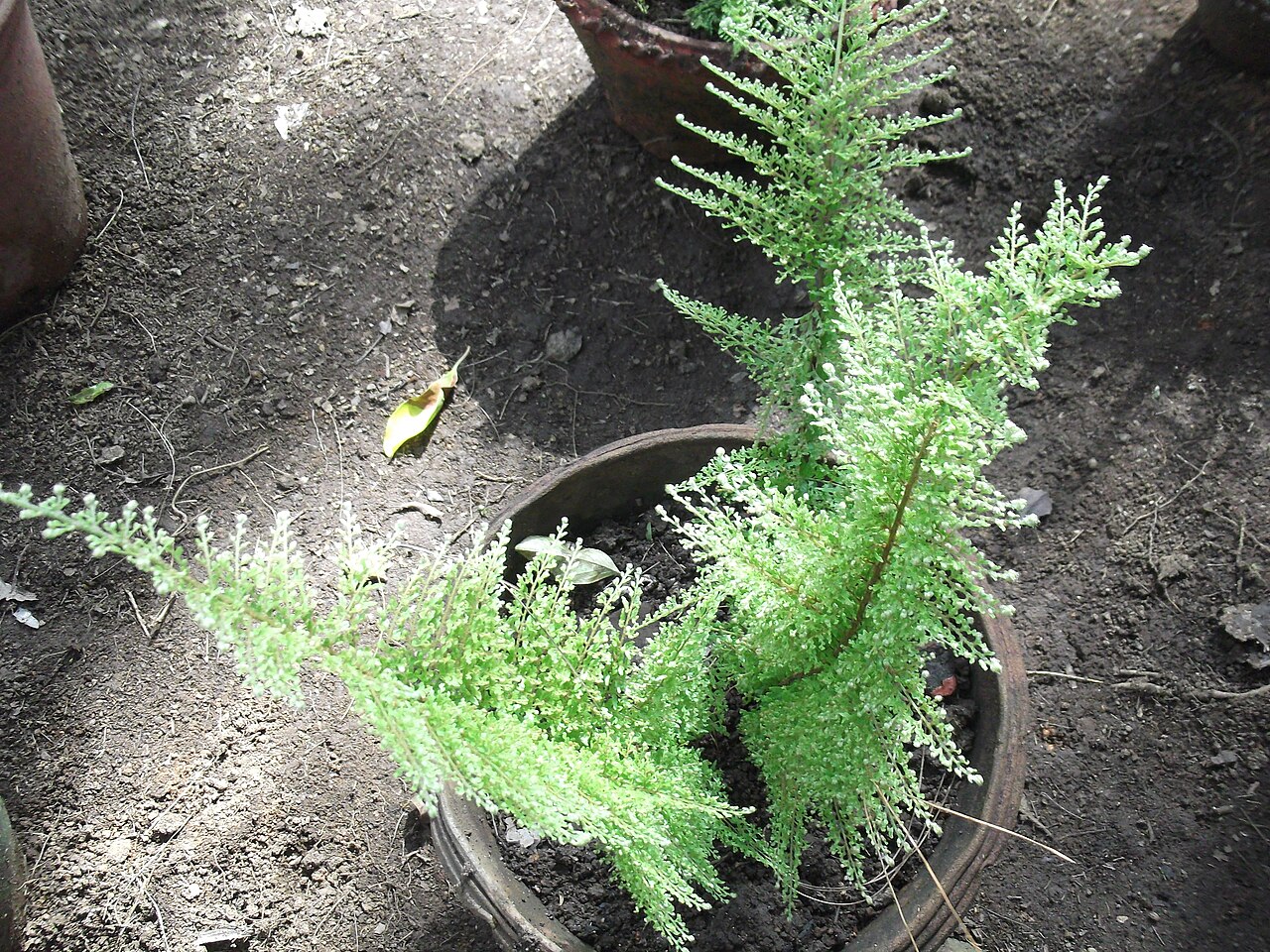
The Boston Fern is a popular, lush houseplant known for its arching fronds and preference for high humidity. It is widely considered safe for pets, though ingestion of any plant material can occasionally cause minor digestive upset.
Uncertain for cats.
Generally safe for dogs.
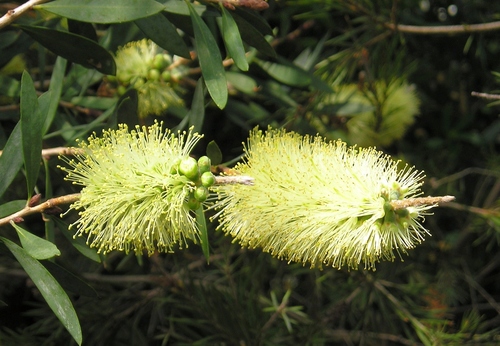
Bottlebrush is a popular ornamental shrub known for its unique, spike-like flowers that resemble traditional bottle-cleaning brushes. It is generally considered safe for household pets, though ingestion of large amounts of plant material may cause minor digestive discomfort.
Uncertain for cats.
Generally safe for dogs.
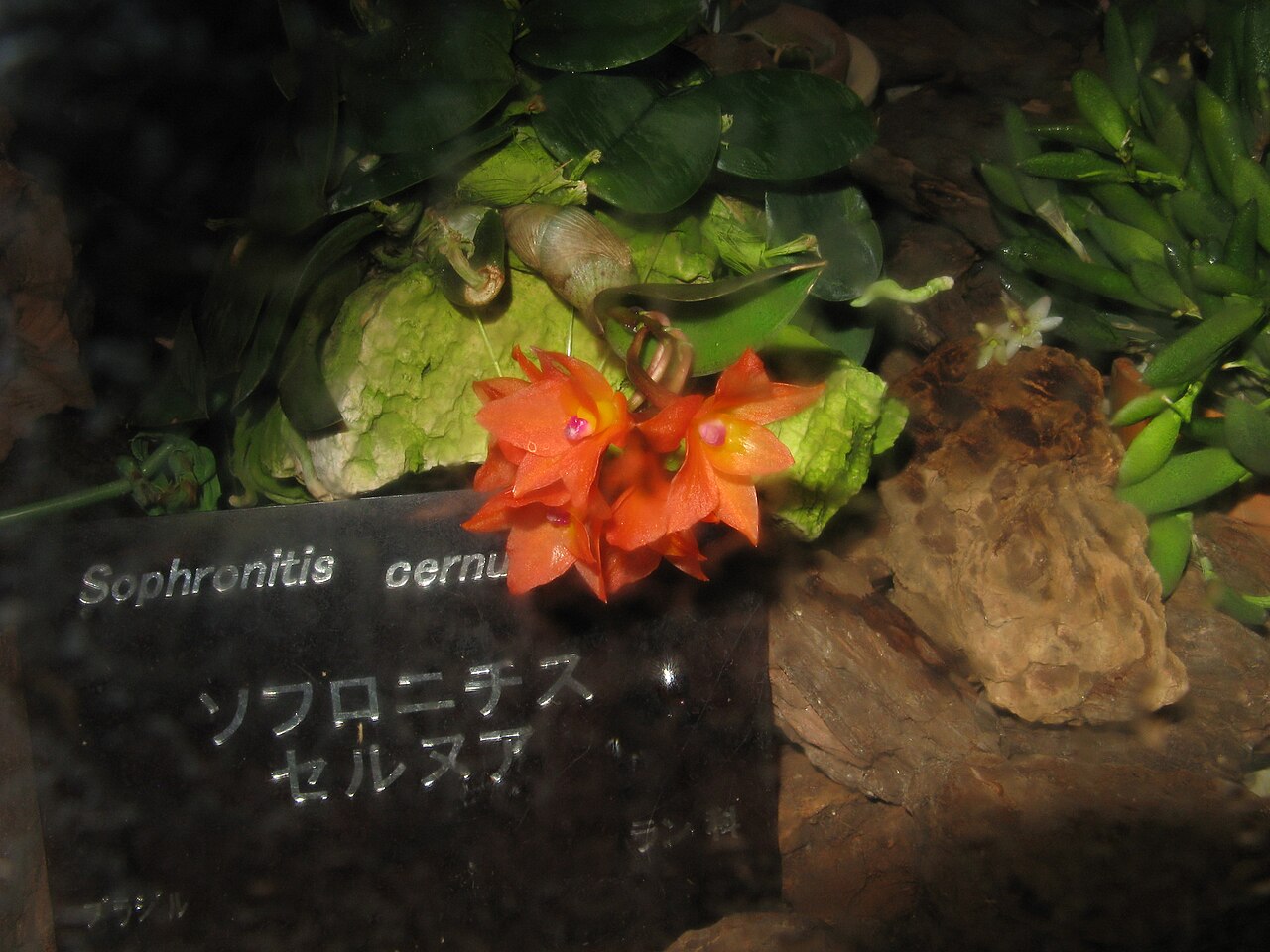
Sophronitis is a genus of small, epiphytic orchids native to Brazil, known for their vibrant, often red or orange, flowers. They are generally considered safe for household pets, though individual plant parts can cause minor digestive irritation if consumed in large quantities.
Uncertain for cats.
Generally safe for dogs.