Dogs
Potentially toxicConsulted references classify the plant as toxic or irritating for that pet type.
Verified against ASPCA/provenance audit 2026-05-06 on May 6, 2026.
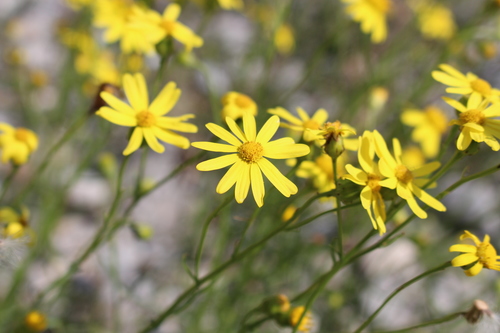
Senecio species
Golden Ragwort is a flowering perennial known for its bright yellow blooms and foliage. It contains pyrrolizidine alkaloids that can cause significant health issues if ingested by pets.
Safety status
Dogs
Potentially toxicConsulted references classify the plant as toxic or irritating for that pet type.
Verified against ASPCA/provenance audit 2026-05-06 on May 6, 2026.
Golden Ragwort poses a serious cumulative risk to dogs. Pyrrolizidine alkaloids damage the liver and even small repeated exposures can add up over months. Treat any known ingestion as a vet-call situation, since liver injury is often advanced by the time symptoms appear.
Extreme drowsiness, weakness, weight loss, and yawning typically come first. Later signs include yellowing of the gums or eye whites (jaundice), abdominal swelling, head pressing or aimless walking, and in severe cases, seizures.
Liver damage is cumulative; signs often appear days to weeks after ingestion as the injury progresses, and clinical recovery is uncommon once signs are present.
Call your vet or ASPCA Poison Control immediately for any known ingestion. Treat seizures, head pressing, jaundice, or marked weakness as emergencies.
Sources: ASPCA, Merck Veterinary Manual.
If a pet has chewed or swallowed plant material and is showing symptoms, contact a veterinarian or poison resource immediately. This product is for structured reference, not diagnosis.
Dogs — concern notes
Common signs
Vomiting, diarrhea, loss of appetite, lethargy, and potential liver damage.
Escalation note
The toxins in this plant can cause cumulative liver damage. Seek veterinary care promptly if ingestion is observed or suspected.
Safer alternatives
No hand-picked alternatives for this plant yet. You can still pick your own using the Compare button on any other plant.
NC State Extension Plant Toolbox
botanical · 94% reliability
Senecio aureus, commonly known as Golden Ragwort, is a native perennial herb.
Yes, Golden Ragwort (Senecio species) is toxic to dogs. It contains pyrrolizidine alkaloids that can cause serious liver damage, making it one of the more dangerous ornamental plants a dog can ingest.
Early signs include extreme drowsiness, weakness, loss of appetite, and yawning. As liver damage progresses — often days to weeks after ingestion — watch for yellowing of the gums or eye whites (jaundice), abdominal swelling, head pressing or aimless walking, vomiting, diarrhea, weight loss, and in severe cases, seizures.
Call your vet or the ASPCA Animal Poison Control Center at (888) 426-4435 immediately — do not wait for symptoms to appear. Because liver damage from pyrrolizidine alkaloids is cumulative and clinical recovery is uncommon once signs are present, prompt veterinary care is critical even if your dog seems fine.
Liver damage from Golden Ragwort is cumulative, meaning signs often do not appear until days to weeks after ingestion as the injury progresses. This delayed onset makes it especially dangerous — a dog may appear normal initially, yet have sustained significant liver damage. Treat any known or suspected ingestion as an emergency regardless of how the dog looks.
Same dog verdict
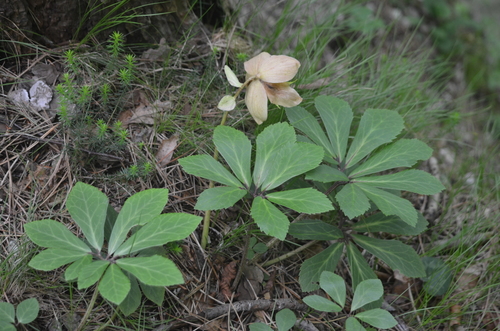
The Christmas Rose is a perennial flowering plant known for its winter blooms, but it contains cardiac glycosides that are harmful if ingested. It is considered toxic to both cats and dogs.
Potentially toxic for cats & dogs.
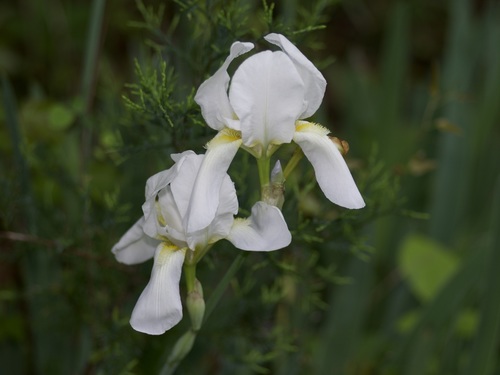
Iris species are popular perennial garden plants known for their showy, complex flowers and sword-like foliage. They contain chemical compounds that can cause gastrointestinal irritation if ingested by pets.
Potentially toxic for cats & dogs.
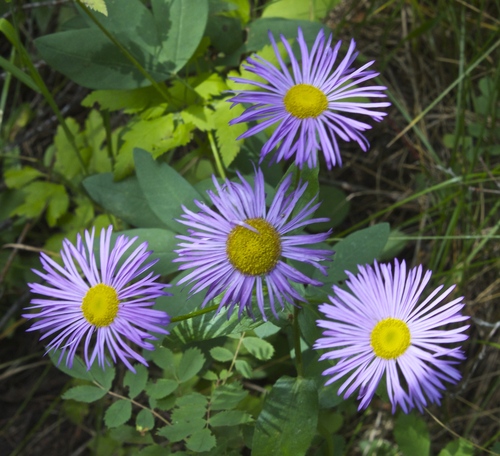
Erigeron speciosus is a perennial flowering plant in the daisy family known for its showy, lavender-blue blooms. While popular in gardens, it is considered toxic to household pets if ingested.
Potentially toxic for cats & dogs.
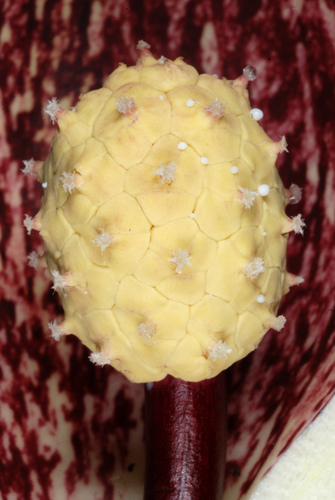
Skunk Cabbage is a wetland-dwelling perennial known for its distinct odor and early spring emergence. It contains calcium oxalate crystals which can cause irritation upon ingestion.
Potentially toxic for cats & dogs.