Dogs
Potentially toxicConsulted references classify the plant as toxic or irritating for that pet type.
Verified against ASPCA/provenance audit 2026-05-06 on May 6, 2026.
Sources
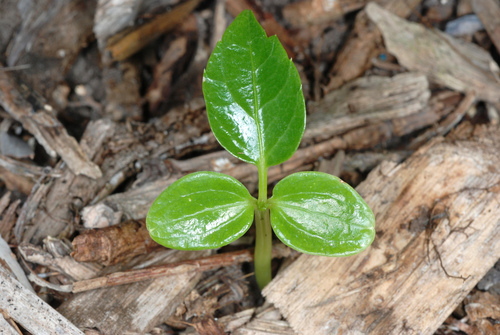
Schefflera actinophylla
The Octopus Tree is a popular tropical houseplant known for its large, glossy, palm-like leaves arranged in a circular pattern. It contains insoluble calcium oxalate crystals that can cause irritation if ingested by pets.
Safety status
Dogs
Potentially toxicConsulted references classify the plant as toxic or irritating for that pet type.
Verified against ASPCA/provenance audit 2026-05-06 on May 6, 2026.
Sources
Dogs that chew Octopus Tree usually back off as soon as the plant's insoluble calcium oxalate crystals release into the mouth. Signs are typically localized — burning, drool, and an upset stomach — though rare cases involve airway swelling, which is the one scenario that warrants an emergency visit.
Most common: pawing at the mouth, drooling, vomiting, and difficulty swallowing. Rare but serious: swelling around the upper airway with difficulty breathing.
Oral irritation is immediate when the dog bites the plant; gastrointestinal signs usually appear within minutes to an hour.
Call your vet or Pet Poison Helpline (855-764-7661) for persistent drooling, refusal to eat, or visible mouth swelling — call immediately if breathing or swallowing is affected.
Sources: ASPCA, Pet Poison Helpline (no first-aid guidance).
If a pet has chewed or swallowed plant material and is showing symptoms, contact a veterinarian or poison resource immediately. This product is for structured reference, not diagnosis.
Dogs — concern notes
Common signs
Oral irritation, excessive drooling, vomiting, difficulty swallowing, and pawing at the mouth.
Escalation note
Symptoms are generally localized to the gastrointestinal tract due to the physical irritation of the crystals. Seek veterinary attention if your dog shows signs of distress or persistent vomiting.
Safer alternatives
No hand-picked alternatives for this plant yet. You can still pick your own using the Compare button on any other plant.
ASPCA Toxic Plant List
toxicology · 99% reliability
Schefflera actinophylla is listed as toxic to both cats and dogs due to insoluble calcium oxalate crystals.
Yes, the Octopus Tree (Schefflera actinophylla) is toxic to dogs. It contains insoluble calcium oxalate crystals that cause immediate oral irritation when a dog bites into the plant, followed by drooling, vomiting, and difficulty swallowing.
Symptoms appear quickly — oral irritation is immediate and gastrointestinal signs typically follow within minutes to an hour. Watch for pawing at the mouth, excessive drooling, vomiting, and difficulty swallowing. In rare cases, swelling around the upper airway can cause difficulty breathing, which is a medical emergency.
Remove your dog from the plant and rinse their mouth with water if they will allow it. Call your vet or the ASPCA Animal Poison Control Center at (888) 426-4435. Seek immediate emergency care if your dog has difficulty breathing or swallowing, as airway swelling is a rare but serious complication.
The calcium oxalate crystals responsible for toxicity are found throughout the plant — leaves, stems, and roots all contain them. The crystals act like tiny needles, physically irritating mouth, throat, and gastrointestinal tissue the moment the plant is chewed, which is why symptoms are so rapid.
Same dog verdict
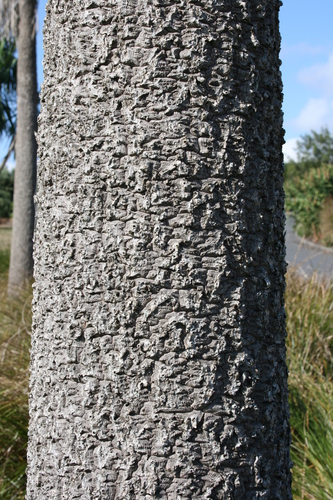
Cordyline australis is a popular ornamental plant known for its palm-like appearance and sword-shaped leaves. It contains saponins which can cause gastrointestinal distress if ingested by pets.
Potentially toxic for cats & dogs.
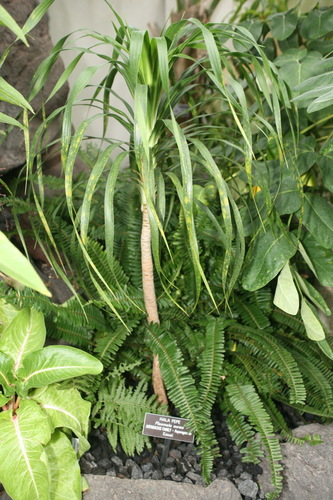
The Madagascar Dragon Tree is a popular, slow-growing indoor plant known for its slender, woody stems and spiky, colorful foliage. It contains saponins, which can cause gastrointestinal distress if ingested by pets.
Potentially toxic for cats & dogs.
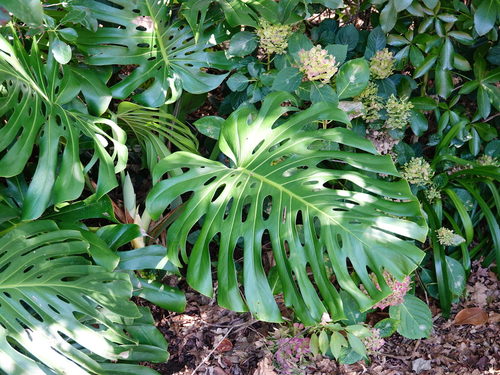
Monstera deliciosa is a popular tropical houseplant known for its large, fenestrated leaves and vining growth habit. It contains insoluble calcium oxalate crystals that can cause irritation if ingested by pets.
Potentially toxic for cats & dogs.
Dracaena trifasciata is a popular, hardy houseplant known for its stiff, sword-like leaves with striking yellow margins. It is widely appreciated for its air-purifying qualities and ability to thrive in various indoor conditions.
Potentially toxic for cats & dogs.