Cats
Potentially toxicConsulted references classify the plant as toxic or irritating for that pet type.
Verified against ASPCA/provenance audit 2026-05-06 on May 6, 2026.
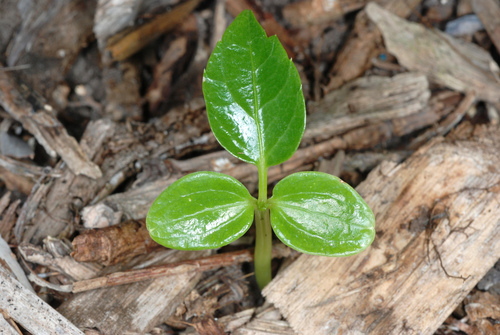
Schefflera actinophylla
The Octopus Tree is a popular tropical houseplant known for its large, glossy, palm-like leaves arranged in a circular pattern. It contains insoluble calcium oxalate crystals that can cause irritation if ingested by pets.
Safety status
Cats
Potentially toxicConsulted references classify the plant as toxic or irritating for that pet type.
Verified against ASPCA/provenance audit 2026-05-06 on May 6, 2026.
Cats that bite Octopus Tree leaves quickly run into the plant's insoluble calcium oxalate crystals, which cause a sudden, painful burning of the mouth and throat. Most cats stop chewing fast enough that signs stay localized to the mouth and stomach, but airway swelling is a rare possibility.
Most common: pawing at the mouth, intense drooling, oral pain, vomiting, and difficulty swallowing. Rare but serious: swelling around the upper airway making breathing difficult.
Oral irritation is essentially immediate after the cat bites the plant; gastrointestinal signs usually appear within minutes to an hour.
Call your vet or Pet Poison Helpline (855-764-7661) for persistent drooling, mouth or face swelling, refusal to eat, or any difficulty breathing or swallowing — call immediately for breathing trouble.
Sources: ASPCA, Pet Poison Helpline (no first-aid guidance).
If a pet has chewed or swallowed plant material and is showing symptoms, contact a veterinarian or poison resource immediately. This product is for structured reference, not diagnosis.
Cats — concern notes
Common signs
Oral irritation, intense burning and irritation of mouth, tongue and lips, excessive drooling, vomiting, and difficulty swallowing.
Escalation note
The insoluble calcium oxalate crystals cause immediate mechanical irritation upon contact. If your cat has ingested any part of this plant, please contact your veterinarian or a pet poison control center.
Safer alternatives
No hand-picked alternatives for this plant yet. You can still pick your own using the Compare button on any other plant.
NC State Extension Plant Toolbox
botanical · 94% reliability
Schefflera actinophylla is a large evergreen tree often grown as a houseplant, known for its compound leaves and potential toxicity to pets.
Yes, the Octopus Tree (Schefflera actinophylla) is toxic to cats. It contains insoluble calcium oxalate crystals that cause immediate mechanical irritation to the mouth, tongue, and lips upon contact.
Symptoms appear within minutes and include intense burning and irritation of the mouth, excessive drooling, pawing at the mouth, vomiting, and difficulty swallowing. In rare cases, swelling around the upper airway can make breathing difficult.
Contact your veterinarian or the ASPCA Animal Poison Control Center at (888) 426-4435 right away. Call immediately if your cat shows difficulty breathing or swallowing; also call for persistent drooling, mouth or face swelling, or refusal to eat.
The harmful agent — insoluble calcium oxalate crystals — is present throughout the plant. When a cat bites into any part, the crystals physically pierce and irritate oral tissues, which is why burning and drooling begin essentially the moment the cat contacts the plant.
Same cat verdict
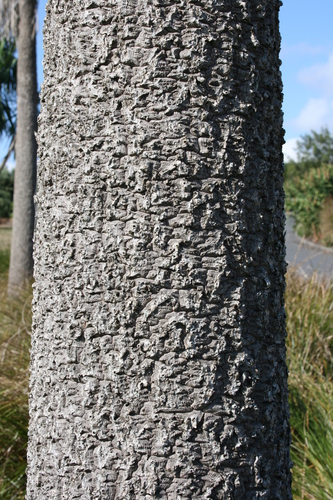
Cordyline australis is a popular ornamental plant known for its palm-like appearance and sword-shaped leaves. It contains saponins which can cause gastrointestinal distress if ingested by pets.
Potentially toxic for cats & dogs.
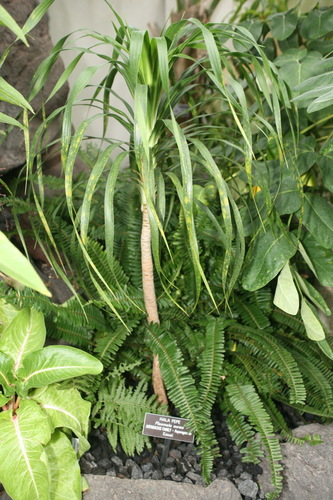
The Madagascar Dragon Tree is a popular, slow-growing indoor plant known for its slender, woody stems and spiky, colorful foliage. It contains saponins, which can cause gastrointestinal distress if ingested by pets.
Potentially toxic for cats & dogs.
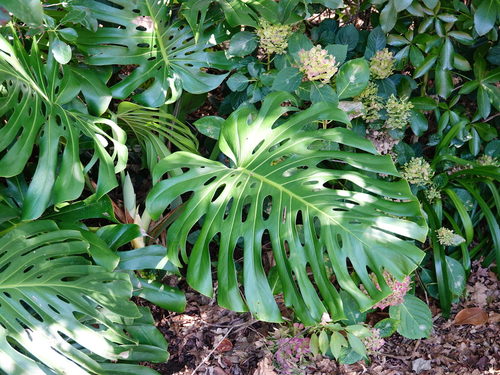
Monstera deliciosa is a popular tropical houseplant known for its large, fenestrated leaves and vining growth habit. It contains insoluble calcium oxalate crystals that can cause irritation if ingested by pets.
Potentially toxic for cats & dogs.
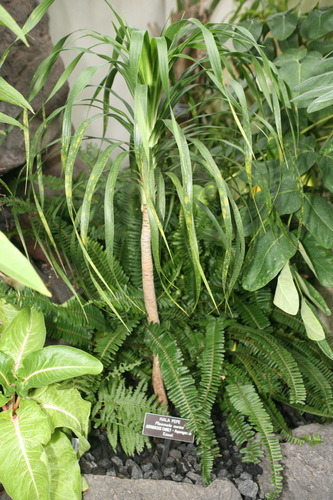
Dracaena trifasciata is a popular, hardy houseplant known for its stiff, sword-like leaves with striking yellow margins. It is widely appreciated for its air-purifying qualities and ability to thrive in various indoor conditions.
Potentially toxic for cats & dogs.