Cats
Potentially toxicConsulted references classify the plant as toxic or irritating for that pet type.
Verified against ASPCA/provenance audit 2026-05-06 on May 6, 2026.
Sources
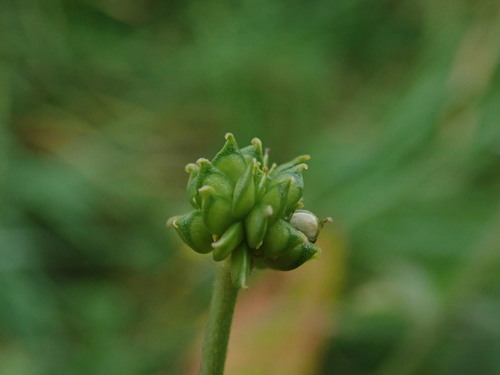
Ranunculus acris
Ranunculus acris is a perennial herbaceous plant known for its bright yellow flowers and presence in meadows. It contains compounds that can cause irritation upon contact or ingestion.
Safety status
Cats
Potentially toxicConsulted references classify the plant as toxic or irritating for that pet type.
Verified against ASPCA/provenance audit 2026-05-06 on May 6, 2026.
Sources
Cats should not chew meadow buttercup. The bitter sap contains protoanemonin (released from ranunculin when leaves are crushed), which blisters the mouth and irritates the gut. Most cats spit it out after one bite because of the taste — but a determined chewer can still cause real discomfort.
Most common: hypersalivation/drooling, mouth blisters or oral ulcers, and refusal of food. Then: vomiting, diarrhea, depression, and a wobbly gait. Flowers carry the highest toxin load, so chewing blooms is worse than chewing leaves.
Onset is typically within minutes for oral irritation and a few hours for GI signs. Pet Poison Helpline notes signs are usually self-limiting once the cat stops eating the plant; recovery within 24–48 hours is typical with supportive care.
Call your vet or ASPCA Animal Poison Control (888-426-4435) any time you see persistent drooling, mouth sores, repeated vomiting, or unsteadiness. A single bitter mouthful that the cat spits out is usually self-limiting, but escalate if signs don't resolve within a few hours.
Remove your cat from the area and take any plant material out of the mouth. Do NOT give home antidotes and do NOT induce vomiting unless your vet or Pet Poison Helpline (855-764-7661) tells you to. Confirm your cat is breathing and acting normally, then call the helpline or your vet.
Sources: ASPCA, Pet Poison Helpline.
If a pet has chewed or swallowed plant material and is showing symptoms, contact a veterinarian or poison resource immediately. This product is for structured reference, not diagnosis.
Cats — concern notes
Common signs
Drooling, oral irritation, vomiting, and diarrhea.
Escalation note
Ingestion can cause significant irritation to the gastrointestinal tract. Please contact your veterinarian if your cat has ingested any part of this plant.
Safer alternatives
No hand-picked alternatives for this plant yet. You can still pick your own using the Compare button on any other plant.
ASPCA Toxic Plant List
toxicology · 99% reliability
Buttercup (Ranunculus acris) is listed as toxic to both cats and dogs.
Yes, Meadow Buttercup (Ranunculus acris) is toxic to cats. It contains irritating compounds that affect the mouth and gastrointestinal tract, causing drooling, oral irritation, vomiting, and diarrhea if ingested.
Oral irritation hits within minutes — watch for hypersalivation, mouth blisters or ulcers, and refusal to eat. GI signs like vomiting and diarrhea follow within a few hours. In more serious cases you may see depression and a wobbly gait. Flowers carry the highest toxin load, so chewing blooms is worse than chewing leaves.
Remove your cat from the area and clear any plant material from its mouth. Do not induce vomiting and do not give home antidotes unless directed by a professional. Confirm your cat is breathing normally, then call the ASPCA Animal Poison Control Center at (888) 426-4435 or your vet immediately.
Onset is typically within minutes for oral irritation and a few hours for GI signs. Symptoms are usually self-limiting once the cat stops eating the plant, and recovery within 24–48 hours is typical with supportive care. Call your vet if drooling, vomiting, or unsteadiness does not resolve within a few hours.
Same cat verdict
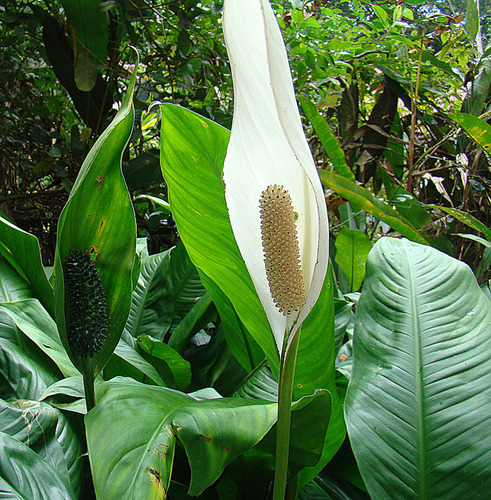
The Mauna Loa Peace Lily is a popular indoor plant known for its elegant white spathes and lush foliage. It contains insoluble calcium oxalate crystals that can cause irritation upon contact or ingestion.
Potentially toxic for cats & dogs.
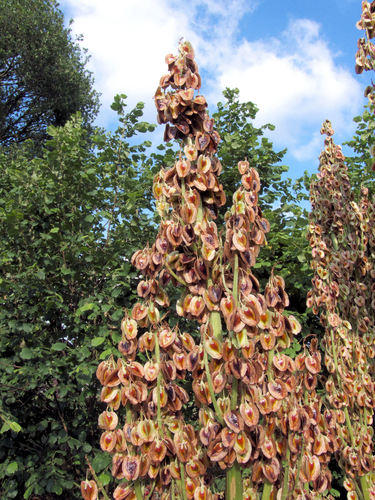
Rhubarb is a perennial vegetable known for its edible stalks, but its leaves contain high levels of soluble oxalate crystals that are harmful if ingested. It is widely grown in gardens for culinary use but requires caution regarding pet access to the foliage.
Potentially toxic for cats & dogs.
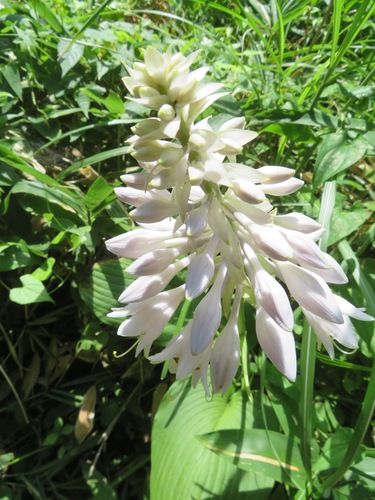
Hosta plantaginea is a popular shade-loving perennial known for its lush, broad foliage and fragrant white flowers. While prized in garden landscapes, it contains saponins that can cause gastrointestinal distress if ingested by pets.
Potentially toxic for cats & dogs.
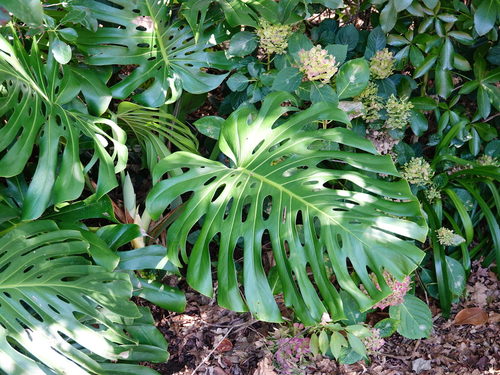
Monstera deliciosa is a popular tropical houseplant known for its large, fenestrated leaves and vining growth habit. It contains insoluble calcium oxalate crystals that can cause irritation if ingested by pets.
Potentially toxic for cats & dogs.