Compare

Apricot vs. Sweet Cherry: which is safe for cats and dogs?

Apricot and Sweet Cherry are frequently compared because both belong to the Prunus genus, sharing similar structural characteristics and fruit-bearing habits. It is important for pet owners to recognize that both plants are potentially toxic to cats and dogs. While the fleshy fruit is generally not the primary concern, the stems, leaves, and seeds of both trees contain cyanogenic glycosides that can release cyanide upon digestion. Because these compounds pose a serious risk of poisoning for both species, you should treat any ingestion of these plant parts as a medical emergency and contact your veterinarian immediately to ensure your pet receives proper care.

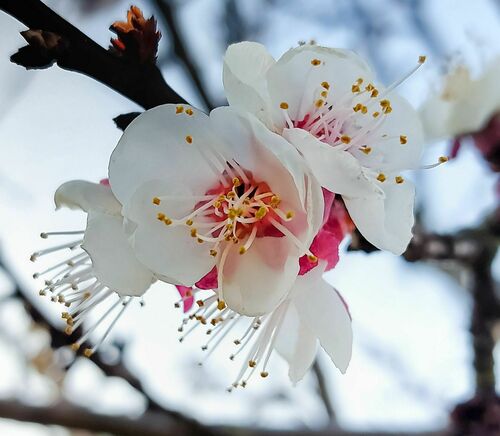
Apricot

Prunus armeniaca

The apricot tree is a fruit-bearing species in the rose family. While the fruit flesh is generally considered safe, the stems, leaves, and seeds contain cyanogenic glycosides that can be harmful if ingested.

cat

Potentially toxic

Consulted references classify the plant as toxic or irritating for that pet type.

Watch for

Vomiting, diarrhea, difficulty breathing, dilated pupils, and in severe cases, shock or collapse.

dog

Potentially toxic

Consulted references classify the plant as toxic or irritating for that pet type.

Watch for

Drooling, vomiting, rapid breathing, weakness, and potential neurological signs such as tremors or seizures.
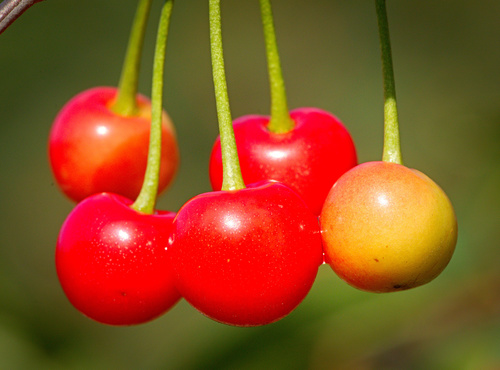
Sweet Cherry

Prunus avium

Prunus avium is a deciduous tree known for its edible fruit, but its stems, leaves, and seeds contain cyanogenic glycosides that can be harmful if ingested by pets. It is widely cultivated for fruit production and as an ornamental specimen.

cat

Potentially toxic

Consulted references classify the plant as toxic or irritating for that pet type.

Watch for

Dilated pupils, difficulty breathing, panting, and shock.

dog

Potentially toxic

Consulted references classify the plant as toxic or irritating for that pet type.

Watch for

Dilated pupils, difficulty breathing, panting, and shock.