Dogs
Potentially toxicConsulted references classify the plant as toxic or irritating for that pet type.
Verified against ASPCA/provenance audit 2026-05-06 on May 6, 2026.
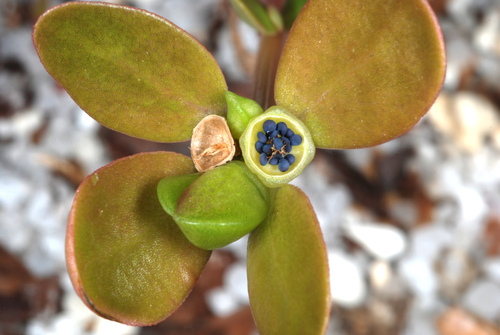
Portulaca oleracea
Moss Rose is a succulent, low-growing annual known for its vibrant, rose-like flowers and fleshy leaves. While popular in gardens, it contains soluble calcium oxalates that can cause irritation if ingested by pets.
Safety status
Dogs
Potentially toxicConsulted references classify the plant as toxic or irritating for that pet type.
Verified against ASPCA/provenance audit 2026-05-06 on May 6, 2026.
For dogs, purslane is rated low severity by NC State Extension thanks to its soluble calcium oxalates. The toolbox lists tremors, salivation, and rare kidney failure as the symptom set. Most curious dogs that grab a mouthful end up with drool and a stomach ache rather than a true emergency, but large ingestions warrant a vet check.
Most common: drooling and pawing at the mouth right after eating. Often: vomiting and loose stool within a few hours. Possible: trembling, weakness, and lethargy. Less common but serious (especially after a large ingestion): signs of kidney trouble — increased or decreased urination, repeated vomiting, marked depression.
The NC State page does not specify timing. Oral and GI signs from soluble oxalates typically appear within a few hours and resolve in 24–48 hours; renal effects, when they occur, may show up over the following 1–3 days, which is why monitoring after a large ingestion matters.
Call your vet if your dog ate a large amount, the drooling is heavy, vomiting persists past a few hours, or you see tremors, weakness, or changes in urination. ASPCA Animal Poison Control is at (888) 426-4435.
Sources: NC State Extension (no first-aid guidance).
If a pet has chewed or swallowed plant material and is showing symptoms, contact a veterinarian or poison resource immediately. This product is for structured reference, not diagnosis.
Dogs — concern notes
Common signs
Drooling, pawing at the mouth, oral swelling, and occasional gastrointestinal upset.
Escalation note
The plant contains soluble oxalates which can cause irritation upon contact with the mouth and throat. Consult a veterinarian if symptoms persist or if your dog consumes a large quantity.
Safer alternatives
No hand-picked alternatives for this plant yet. You can still pick your own using the Compare button on any other plant.
NC State Extension Plant Toolbox
botanical · 94% reliability
Portulaca oleracea is a succulent annual that is widely distributed and often considered a weed, though cultivated for its ornamental flowers.
Yes, purslane (Portulaca oleracea) is considered potentially toxic to dogs. It contains soluble calcium oxalates that can cause oral irritation, drooling, and gastrointestinal upset if ingested.
The most immediate signs are drooling and pawing at the mouth as the oxalates irritate the mouth and throat. This can progress to vomiting and loose stool within a few hours. After a large ingestion, watch for trembling, weakness, lethargy, and in serious cases, signs of kidney trouble such as changes in urination or marked depression over the following 1–3 days.
Remove your dog from the plant and rinse their mouth with water to reduce irritation. Monitor closely for the next 24–48 hours. Call your vet if the drooling is heavy, vomiting persists past a few hours, or you notice tremors, weakness, or changes in urination. You can also reach the ASPCA Animal Poison Control Center at (888) 426-4435.
Purslane contains soluble oxalates, which dissolve quickly in saliva and tissue fluids, causing immediate irritation to the mouth and throat on contact. Unlike insoluble oxalates (found in plants like pothos), soluble oxalates can also be absorbed into the bloodstream after ingestion, which is why large quantities raise concern for kidney effects in the days following exposure.
Same dog verdict
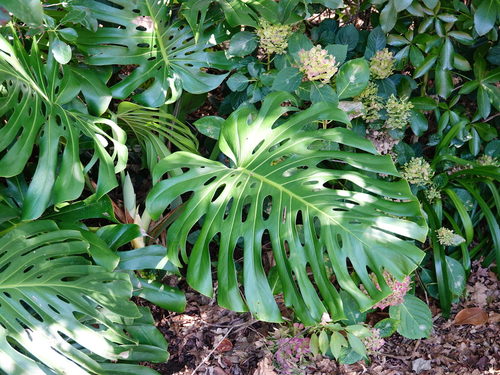
Monstera deliciosa is a popular tropical houseplant known for its large, fenestrated leaves and vining growth habit. It contains insoluble calcium oxalate crystals that can cause irritation if ingested by pets.
Potentially toxic for cats & dogs.
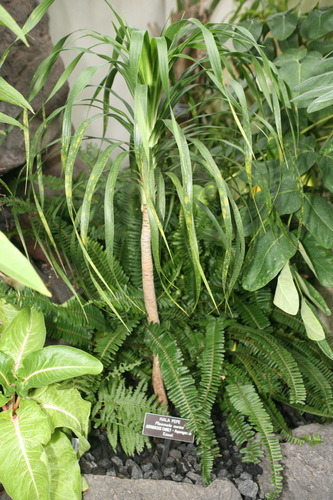
Dracaena trifasciata is a popular, hardy houseplant known for its stiff, sword-like leaves with striking yellow margins. It is widely appreciated for its air-purifying qualities and ability to thrive in various indoor conditions.
Potentially toxic for cats & dogs.
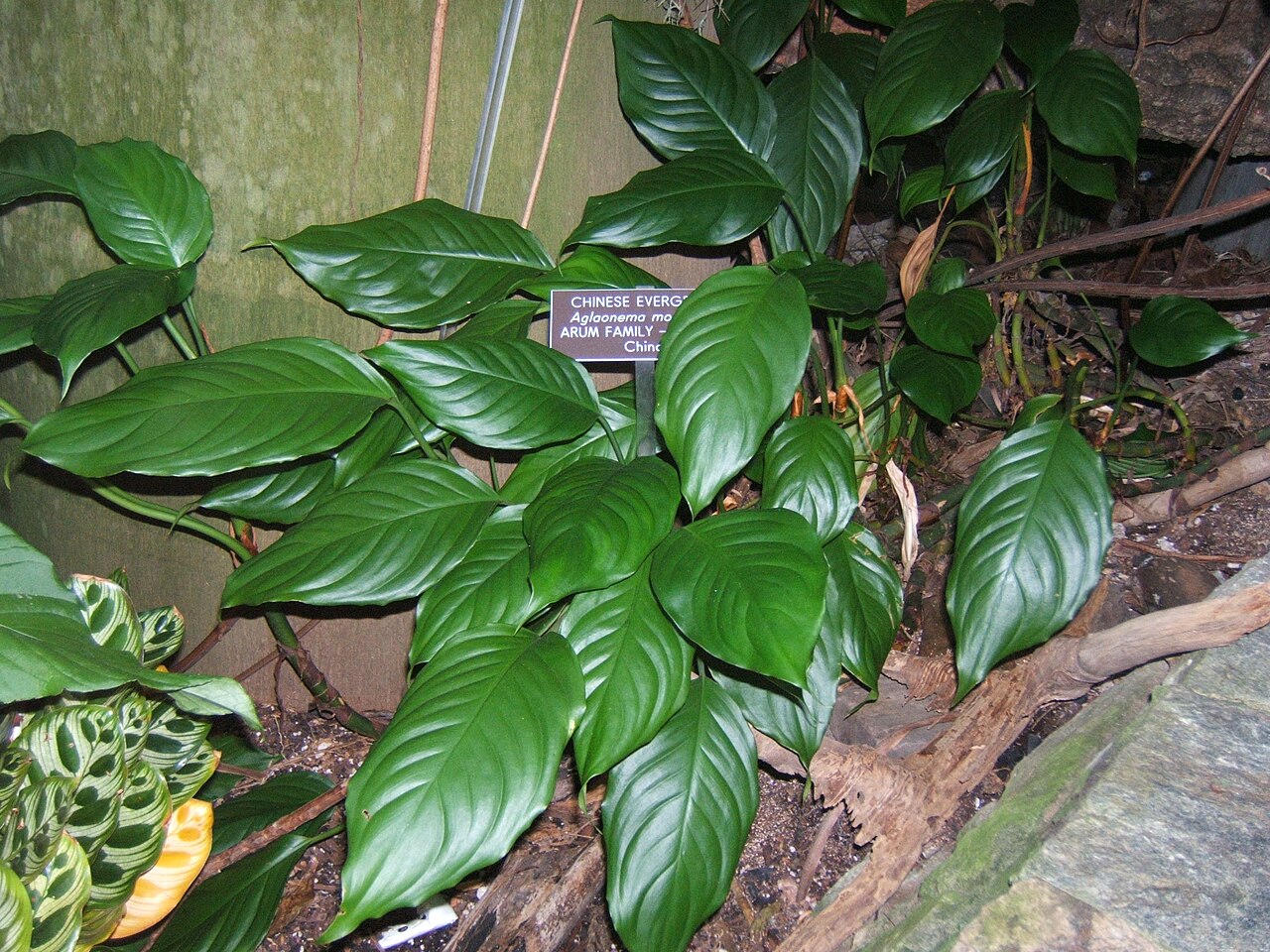
Chinese Evergreen is a popular indoor foliage plant known for its patterned leaves and tolerance of low light conditions. It contains insoluble calcium oxalate crystals that can cause irritation if ingested or chewed.
Potentially toxic for cats & dogs.
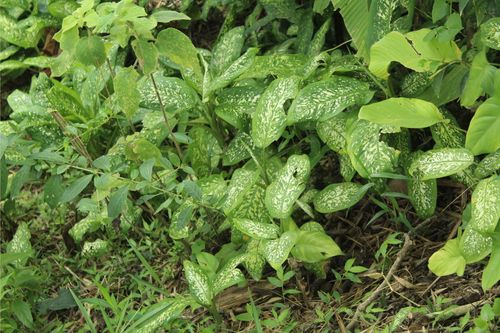
Dieffenbachia is a popular tropical houseplant known for its large, variegated leaves. It contains insoluble calcium oxalate crystals that can cause irritation if ingested or chewed.
Potentially toxic for cats & dogs.