Cats
Potentially toxicConsulted references classify the plant as toxic or irritating for that pet type.
Verified against ASPCA/provenance audit 2026-05-06 on May 6, 2026.
Sources
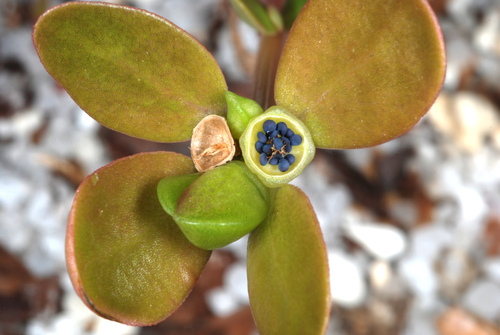
Portulaca oleracea
Moss Rose is a succulent, low-growing annual known for its vibrant, rose-like flowers and fleshy leaves. While popular in gardens, it contains soluble calcium oxalates that can cause irritation if ingested by pets.
Safety status
Cats
Potentially toxicConsulted references classify the plant as toxic or irritating for that pet type.
Verified against ASPCA/provenance audit 2026-05-06 on May 6, 2026.
Sources
For cats, purslane (also sold as moss rose) is toxic because of soluble calcium oxalates concentrated in its succulent leaves and stems. ASPCA lists tremors, salivation, muscle weakness, depression, and diarrhea as clinical signs, with kidney failure rare in dogs and cats. Most exposures are mild, but a cat that grazes heavily — especially on stressed, oxalate-rich plants — can become seriously sick.
Most common: drooling/salivation and reduced appetite shortly after chewing the plant. Often: vomiting, diarrhea, and depression (a cat that just lies around and ignores normal cues). Possible: trembling and muscle weakness. Less common but serious: signs of kidney trouble — increased thirst, increased or decreased urination, vomiting that won’t stop — typically only after a large ingestion.
ASPCA does not list specific timing. Soluble-oxalate signs typically begin within a few hours of ingestion; mild GI signs usually resolve within 24–48 hours, but kidney monitoring may be advised after a large ingestion.
Call promptly for tremors, persistent vomiting, weakness, or any sign of changes in drinking or urinating. Treat large ingestions as urgent so a vet can monitor kidney values. ASPCA Animal Poison Control: (888) 426-4435.
Sources: ASPCA (no first-aid guidance).
If a pet has chewed or swallowed plant material and is showing symptoms, contact a veterinarian or poison resource immediately. This product is for structured reference, not diagnosis.
Cats — concern notes
Common signs
Oral irritation, excessive drooling, difficulty swallowing, and potential vomiting.
Escalation note
Ingestion typically causes mild to moderate irritation due to calcium oxalate crystals. Always contact your veterinarian if you suspect your cat has ingested this plant.
Safer alternatives
No hand-picked alternatives for this plant yet. You can still pick your own using the Compare button on any other plant.
ASPCA Toxic Plant List
toxicology · 99% reliability
Moss Rose is listed as toxic to both cats and dogs due to the presence of soluble calcium oxalates.
Yes, purslane is considered potentially toxic to cats. It contains soluble calcium oxalate crystals that can cause oral irritation, excessive drooling, difficulty swallowing, and vomiting if ingested.
The most common early signs are drooling and reduced appetite shortly after chewing the plant. Your cat may also vomit, have diarrhea, or seem depressed and unresponsive. After a large ingestion, watch for trembling, muscle weakness, or signs of kidney trouble such as increased thirst and changes in urination.
Call your veterinarian or the ASPCA Animal Poison Control Center at (888) 426-4435. Mild cases typically involve transient irritation that resolves within 24–48 hours, but a large ingestion warrants prompt veterinary attention so kidney values can be monitored.
Soluble-oxalate signs typically begin within a few hours of ingestion. Mild GI signs usually resolve within 24–48 hours, but the ASPCA does not list a specific onset window; call your vet promptly if your cat shows tremors, persistent vomiting, weakness, or any change in drinking or urinating habits.
Same cat verdict
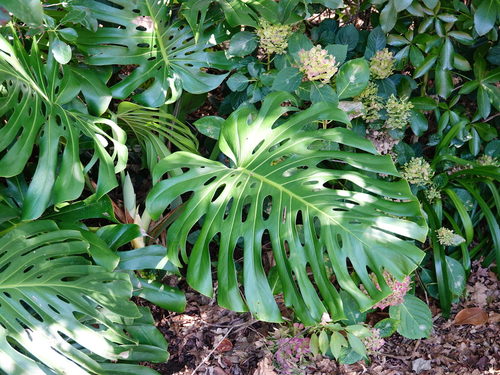
Monstera deliciosa is a popular tropical houseplant known for its large, fenestrated leaves and vining growth habit. It contains insoluble calcium oxalate crystals that can cause irritation if ingested by pets.
Potentially toxic for cats & dogs.
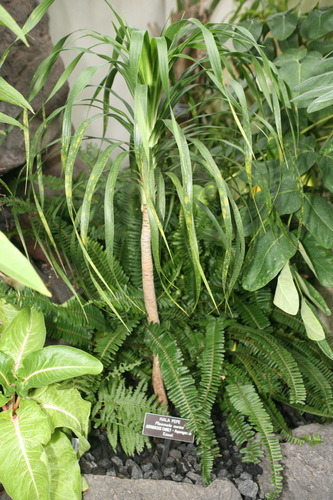
Dracaena trifasciata is a popular, hardy houseplant known for its stiff, sword-like leaves with striking yellow margins. It is widely appreciated for its air-purifying qualities and ability to thrive in various indoor conditions.
Potentially toxic for cats & dogs.
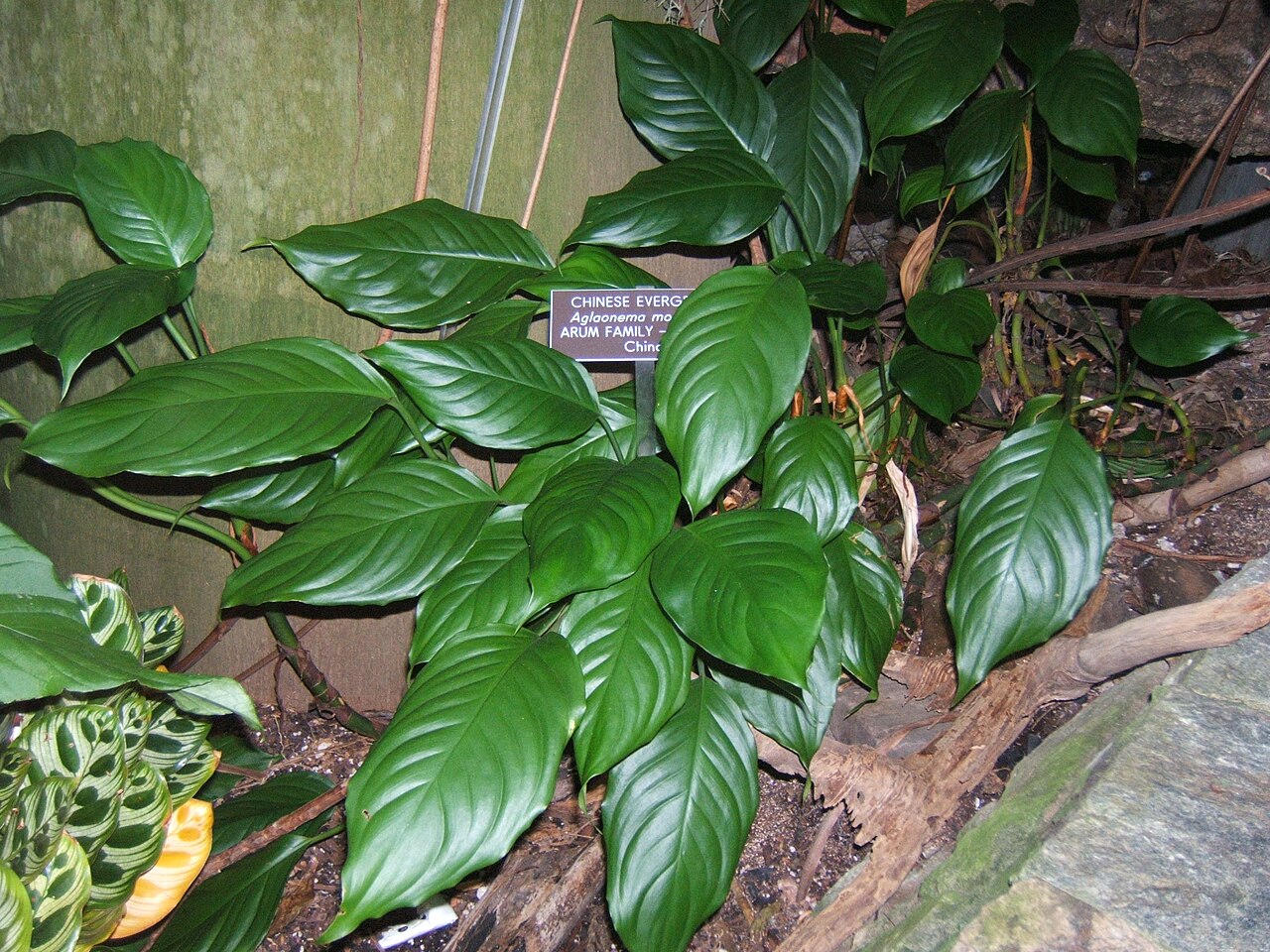
Chinese Evergreen is a popular indoor foliage plant known for its patterned leaves and tolerance of low light conditions. It contains insoluble calcium oxalate crystals that can cause irritation if ingested or chewed.
Potentially toxic for cats & dogs.
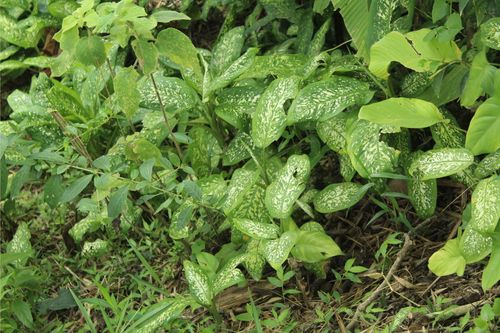
Dieffenbachia is a popular tropical houseplant known for its large, variegated leaves. It contains insoluble calcium oxalate crystals that can cause irritation if ingested or chewed.
Potentially toxic for cats & dogs.