Cats
Potentially toxicConsulted references classify the plant as toxic or irritating for that pet type.
Verified against ASPCA/provenance audit 2026-05-06 on May 6, 2026.
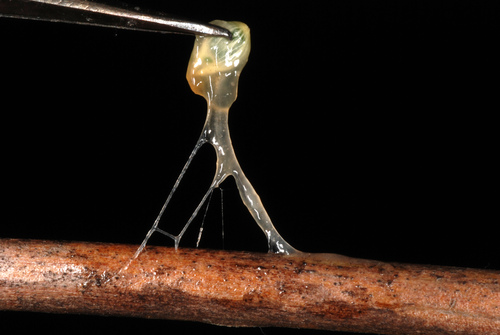
Phoradendron flavescens
American Mistletoe is a hemiparasitic shrub often used in holiday decor that contains compounds capable of causing significant gastrointestinal and cardiovascular distress if ingested. Due to the potential for serious health complications, it should be kept strictly out of reach of all pets.
Safety status
Cats
Potentially toxicConsulted references classify the plant as toxic or irritating for that pet type.
Verified against ASPCA/provenance audit 2026-05-06 on May 6, 2026.
Cats are unlikely to chew mistletoe deliberately but often investigate berries or leaves that fall during the holidays. American mistletoe contains phoratoxins and lectins that most often cause mild stomach upset in cats, though larger amounts can disturb heart rhythm and blood pressure. Keep cut sprigs and dropped berries off the floor and counters.
Mild signs are drooling, vomiting, diarrhea, and abdominal pain, usually starting within a few hours. Larger ingestions can cause wobbly walking, a slow or irregular heart rate, low blood pressure, labored breathing, or collapse — these are uncommon but real.
Mild GI signs usually appear within a few hours of ingestion. Cardiac signs from large ingestions can develop quickly. Most mild cases resolve in 24–48 hours with supportive care.
Call your vet or ASPCA Animal Poison Control at (888) 426-4435 right away if your cat ate any berries, leaves, or stems. Any cardiac signs (slow, fast, or irregular heartbeat), weakness, seizures, or collapse should be treated as a same-hour emergency.
Sources: ASPCA, Pet Poison Helpline.
If a pet has chewed or swallowed plant material and is showing symptoms, contact a veterinarian or poison resource immediately. This product is for structured reference, not diagnosis.
Cats — concern notes
Common signs
Drooling, vomiting, diarrhea, abdominal pain, and in severe cases, low blood pressure or slowed heart rate.
Escalation note
Ingestion can lead to significant clinical signs; please contact your veterinarian or a pet poison control center immediately if you suspect your cat has consumed any part of this plant.
Safer alternatives
No hand-picked alternatives for this plant yet. You can still pick your own using the Compare button on any other plant.
Yes, American mistletoe (Phoradendron flavescens) is toxic to cats. It contains compounds that can cause significant gastrointestinal and cardiovascular distress, and even small amounts of berries, leaves, or stems warrant immediate veterinary attention.
Mild signs include drooling, vomiting, diarrhea, and abdominal pain, typically appearing within a few hours of ingestion. Larger ingestions can cause more serious symptoms such as wobbly walking, a slow or irregular heart rate, low blood pressure, labored breathing, or collapse.
Call your vet or the ASPCA Animal Poison Control Center at (888) 426-4435 right away — do not wait for symptoms to appear. If your cat shows any cardiac signs such as a slow, fast, or irregular heartbeat, weakness, seizures, or collapse, treat it as a same-hour emergency.
Mild GI signs like vomiting and drooling typically appear within a few hours of ingestion. Cardiac signs from larger ingestions can develop quickly as well. Most mild cases resolve within 24–48 hours with supportive veterinary care, but the timeline depends on how much was consumed.
Same cat verdict
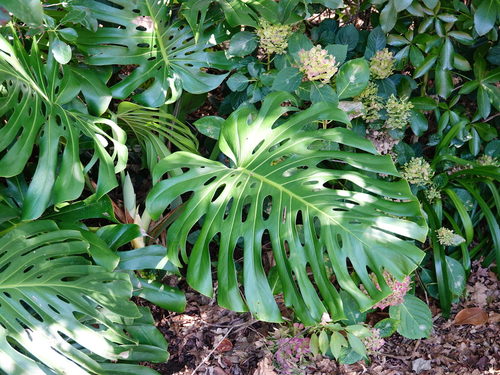
Monstera deliciosa is a popular tropical houseplant known for its large, fenestrated leaves and vining growth habit. It contains insoluble calcium oxalate crystals that can cause irritation if ingested by pets.
Potentially toxic for cats & dogs.
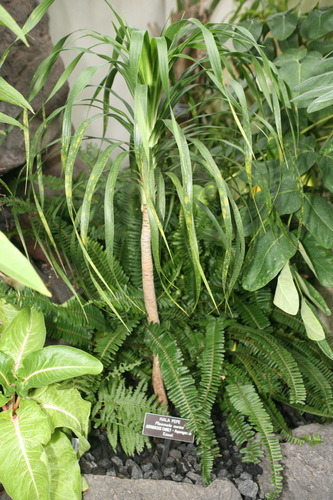
Dracaena trifasciata is a popular, hardy houseplant known for its stiff, sword-like leaves with striking yellow margins. It is widely appreciated for its air-purifying qualities and ability to thrive in various indoor conditions.
Potentially toxic for cats & dogs.
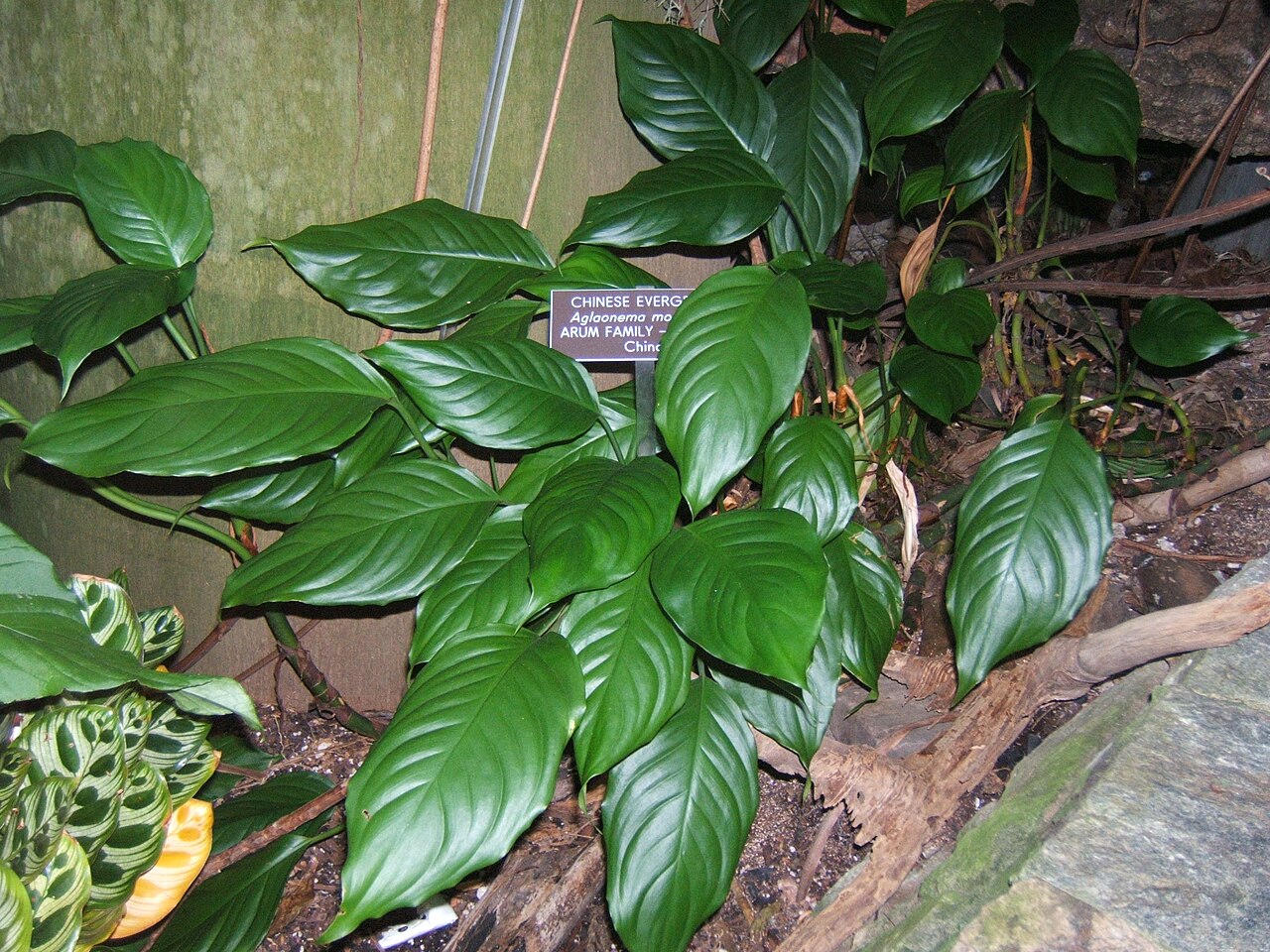
Chinese Evergreen is a popular indoor foliage plant known for its patterned leaves and tolerance of low light conditions. It contains insoluble calcium oxalate crystals that can cause irritation if ingested or chewed.
Potentially toxic for cats & dogs.
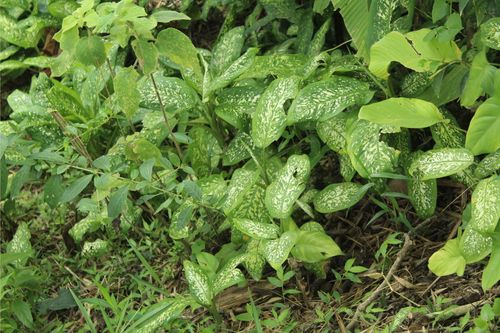
Dieffenbachia is a popular tropical houseplant known for its large, variegated leaves. It contains insoluble calcium oxalate crystals that can cause irritation if ingested or chewed.
Potentially toxic for cats & dogs.